
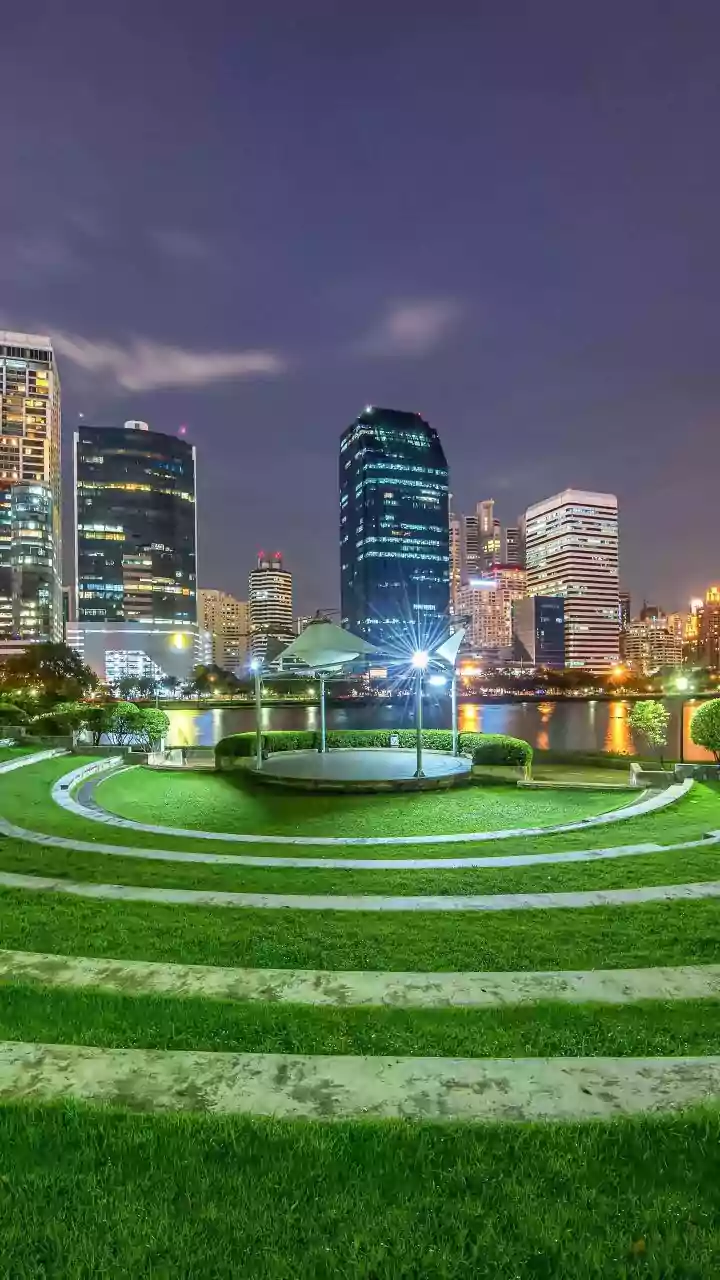


The neighbourhood park is no longer just a place for a quiet stroll or a rest on a bench. Across India's bustling metros, these green lungs are undergoing a dynamic transformation into vibrant, multi-purpose hubs for fitness and social life.
From Green Lungs to Active Hearts
For generations,
public parks were serene pockets of green amidst the urban chaos, primarily serving as spaces for passive recreation. Today, a fundamental shift is underway. Driven by a heightened focus on wellness and community, city planners and local bodies are reimagining these areas as active lifestyle destinations. The post-pandemic era, in particular, has amplified the public’s appreciation for accessible outdoor spaces that contribute to both physical and mental well-being. This evolution is turning once-quiet parks into buzzing centres of activity, reflecting a broader change in how urban Indians approach health and leisure. They are no longer just the city's lungs, but its active, beating heart.
The Rise of the Outdoor Gym
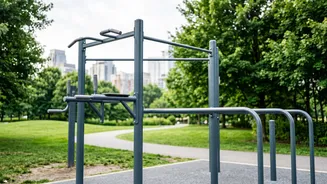
The most visible sign of this evolution is the proliferation of open-air gyms. Once a novelty, these facilities are now a common feature in parks across cities like Delhi, Bengaluru, Hyderabad, and Mumbai. Equipment such as air walkers, leg presses, chest presses, and twisters are now freely available, democratising fitness for those who cannot afford expensive gym memberships. This initiative, often supported by government schemes like the Smart Cities Mission and AMRUT, aims to make fitness accessible to all. In cities like New Delhi and Bengaluru, authorities are actively revamping parks to include not just gym equipment but also dedicated calisthenics zones and improved children's play areas, making them more inviting for the entire family.
More Than Just a Workout
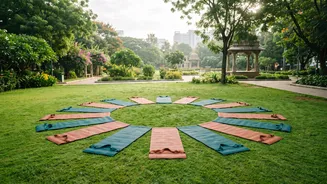
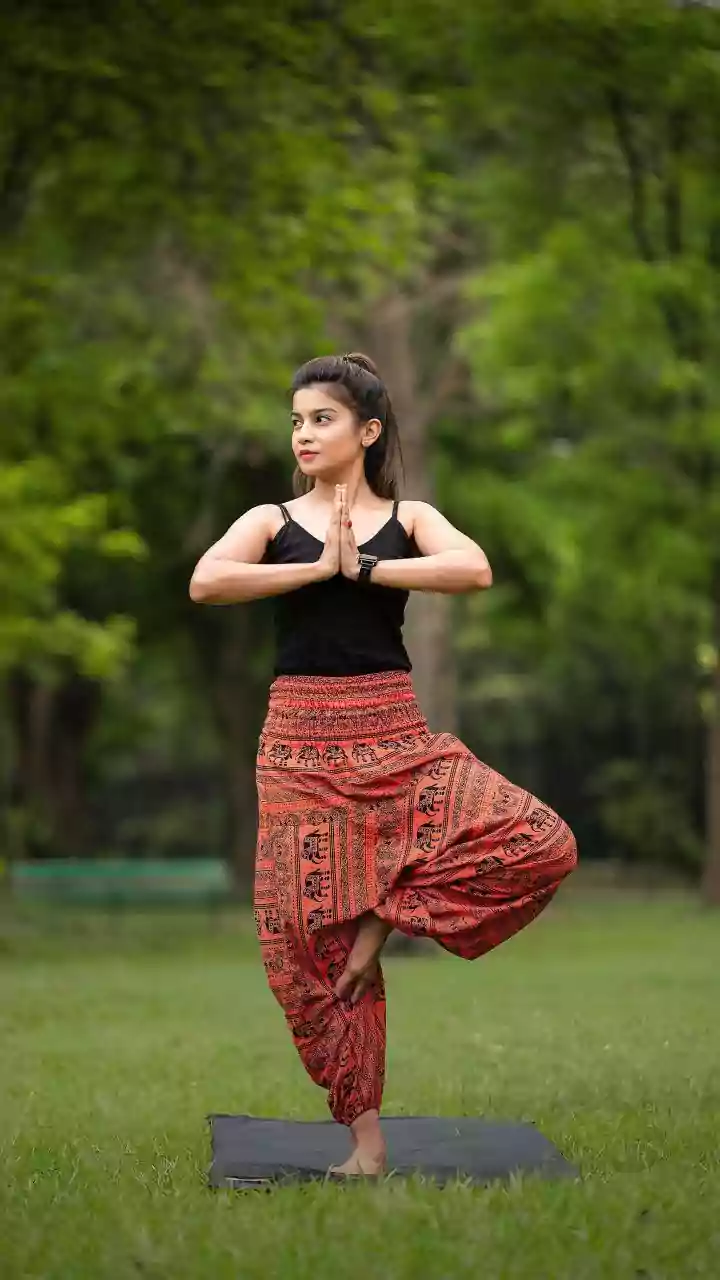
The transformation extends far beyond just physical exercise. Parks are becoming crucial social infrastructure, fostering community connections in an increasingly digital world. Well-maintained jogging and walking tracks are attracting a growing culture of recreational runners, who form informal clubs and social groups. In many parks, it's now common to see dedicated spaces for community yoga and meditation sessions, creating holistic wellness circuits where residents can de-stress and connect with nature. This focus on communal activity is deliberate, aiming to combat urban isolation and build stronger, healthier neighbourhoods. The result is a space that caters not just to the body, but also to the social and mental well-being of the community.
Smarter Parks for Smarter Cities
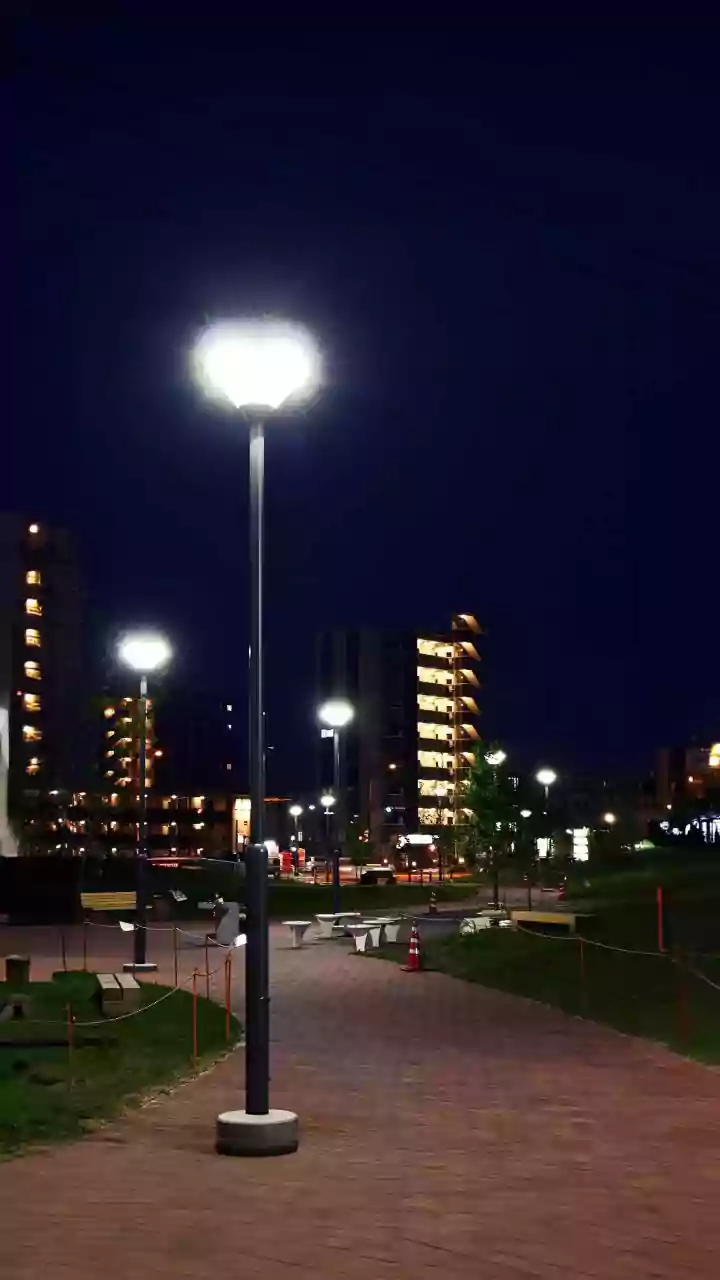
Technology is playing a key role in this urban green revolution. As part of the Smart Cities Mission, parks are being integrated with intelligent features to improve user experience and management. This can include smart lighting that enhances safety, Wi_Fi hotspots, and even QR_code based systems for accessing information or special facilities. Some cities are exploring AI_powered sensors to monitor crowd density and air quality, ensuring that parks remain safe and pleasant. Furthermore, mobile apps and digital platforms are being used to inform citizens about events, available facilities, and maintenance schedules, fostering greater engagement between residents and local authorities.
Challenges and the Road Ahead
While the progress is promising, the journey is not without its hurdles. A significant challenge is the regular maintenance of the new infrastructure. In many areas, expensive gym equipment falls into disrepair due to a lack of upkeep and harsh weather conditions, rendering them unusable. Ensuring these facilities are durable and consistently cared for is crucial for the long term success of the initiative. Vandalism and encroachment also remain persistent issues in many urban green spaces. Despite these challenges, the demand for high quality public spaces is only growing. As citizen awareness increases and urban planning continues to evolve, the local park is set to become an even more integral part of a healthy, connected, and modern Indian city life.