



Hydration is Your Foundation
Before you change what you eat, focus on what you drink. Proper hydration is fundamental for good digestion, helping to soften stool and keep everything moving smoothly. Start your day with a glass of warm water, perhaps with a squeeze of lemon. Throughout
the day, sip on plain water, herbal teas like ginger or peppermint, which can soothe nausea and bloating, or infused water with berries. Aiming for around two litres of water daily can make a significant difference in preparing your system for richer foods. Reducing caffeine and sugary drinks can also prevent stress on your system and help maintain your energy levels naturally.
Embrace Fibre-Rich Foods
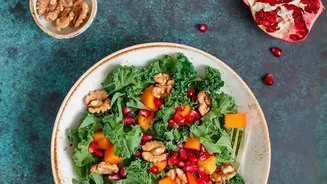
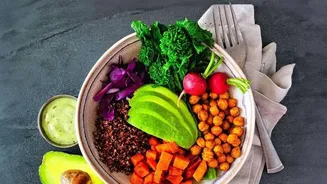
Fibre is crucial for a healthy digestive tract, but it's important to increase your intake gradually to avoid causing gas and bloating. Focus on whole, unprocessed foods. Incorporate leafy greens like spinach and kale, which are excellent sources of fibre and essential nutrients. Whole grains such as brown rice, quinoa, and oats provide sustained energy and aid in regular bowel movements. Fruits like berries, apples, and bananas are also excellent choices; bananas, in particular, contain potassium which helps regulate sodium balance and can reduce bloating.
Befriend Good Bacteria with Probiotics
Your gut is home to trillions of microorganisms, and keeping a healthy balance is key to good digestion and a strong immune system. Probiotics are beneficial live bacteria found in fermented foods. Including plain yogurt, kefir, kimchi, or sauerkraut in your diet can help replenish these good bacteria. Studies show that fermented foods can improve gut health and reduce common digestive issues like bloating. Choosing plain yogurt with live cultures and minimal added sugar is a great way to start.
Feed the Good Guys with Prebiotics
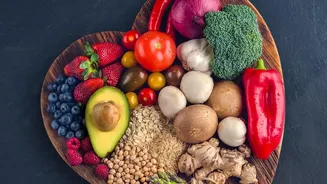
While probiotics introduce good bacteria, prebiotics are the non-digestible fibres that feed them, helping them thrive. Think of prebiotics as the fuel for your gut's beneficial microbes. You can find them in many everyday foods, including onions, garlic, bananas, asparagus, and whole grains. Combining prebiotic and probiotic foods, such as having a banana with your yogurt, creates a 'synbiotic effect' that enhances their benefits for a healthier gut.
Lighten the Load with Lean Protein
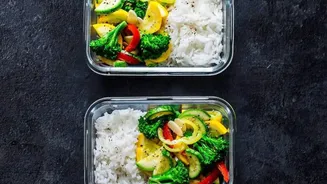
Heavy, fatty proteins can be hard on your digestive system, leaving you feeling sluggish. In the days leading up to a celebration, opt for lean proteins that are easier to digest. Good choices include grilled chicken, fish, lentils, and tofu. These provide essential amino acids for energy and muscle support without overburdening your gut. A simple meal of baked salmon with steamed broccoli and quinoa is nourishing and gentle on your digestive system.
Practice Mindful Eating Habits
How you eat is just as important as what you eat. Rushing through meals can lead to overeating and poor digestion. Take the time to eat slowly and chew your food thoroughly in a relaxed environment. This simple practice helps your body better absorb nutrients and signals to your brain when you are full, preventing the discomfort of an overstuffed stomach. Also, try to eat your last meal two to three hours before bedtime to give your body ample time to digest.
Reduce Processed Foods, Sugar, and Alcohol
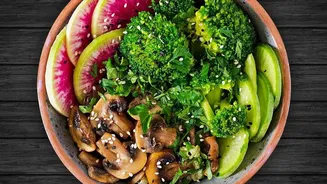
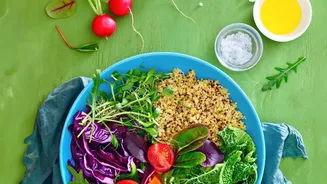
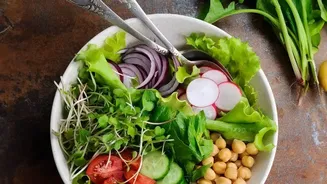
A pre-festival reset is the perfect time to cut back on foods that can disrupt your gut's balance. Highly processed foods, excessive sugar, and alcohol can irritate the gut lining and contribute to inflammation and bloating. By focusing on whole, natural foods, you give your digestive system a much-needed break. This doesn't require an extreme detox; simply choosing a colourful salad over a packaged snack can make a world of difference.