


Beyond the Main Stage
Gone are the days when a festival simply meant a lineup of musicians on a stage. Today's most compelling cultural events are curated as holistic experiences. They invite attendees to not just listen to music, but to immerse themselves in the soul of a region.
This shift has turned festivals into powerful drivers of tourism, encouraging visitors to build entire travel plans around them. Instead of a quick weekend trip, travellers are now embarking on journeys that explore a destination's complete cultural fabric, from its culinary traditions to its ancestral crafts, all anchored by the festival experience. This evolution reflects a deeper desire for authenticity and connection, both with the art and the place it comes from.
A Feast for the Senses
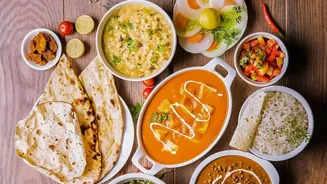
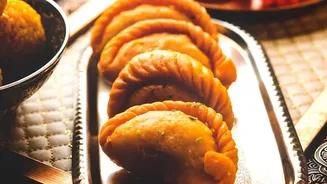
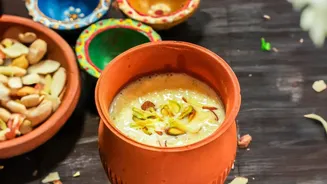
Food is no longer just fuel; it's a headline act. Festivals like the Ziro Festival of Music in Arunachal Pradesh are a testament to this, where the culinary traditions of the Apatani tribe are as much a draw as the indie bands. Attendees can be found savouring smoked meats, local greens, and the famous rice beer, Apong, often served in traditional bamboo mugs. Similarly, Gujarat's Rann Utsav presents a lavish spread of the region's vegetarian delicacies against the stunning backdrop of the white salt desert. These festivals serve as pop-up culinary destinations, offering a direct line to authentic, regional flavours that are often hard to find. They provide a platform for local cooks and food entrepreneurs, turning every meal into a delicious lesson in local culture.
The Artisan Revival
In a world of mass production, there's a growing appreciation for the handmade. Cultural festivals have become crucial platforms for local artisans to showcase and sell their work, creating a direct bridge to a new generation of buyers. At Nagaland's Hornbill Festival, often called the "Festival of Festivals," visitors can explore traditional arts, including intricate wood carvings, vibrant textiles, and beadwork from the state's many tribes. The Rann Utsav features sprawling craft markets where the exquisite embroidery and block-printing traditions of Kutch are on full display. These events do more than just facilitate sales; they help preserve dying art forms by giving artisans a sustainable livelihood and a sense of pride in their heritage.
Sounds Rooted in Heritage
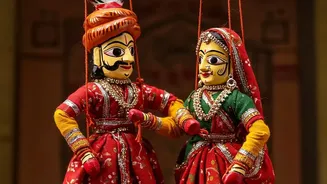
While music remains the heart of many of these festivals, the curation has become more intentional, blending contemporary sounds with deep-rooted traditions. The Jodhpur RIFF (Rajasthan International Folk Festival) is a prime example, held within the majestic Mehrangarh Fort. It masterfully brings together Rajasthani folk legends, who have passed their craft through generations, with international artists to create unique collaborations. The festival was explicitly created to provide a global stage for the region's folk musicians. This approach ensures that while the music evolves, it remains firmly anchored in its cultural origins, offering audiences a sound that is both fresh and timeless. The setting itself, often a historic fort or a sacred landscape, adds another layer of meaning to the performances.
The New Cultural Pilgrimage
By weaving together these diverse threads, festivals are creating new tourist circuits that go beyond the typical monuments and cities. They are becoming destinations in their own right, defining travel calendars and boosting local economies. An event like the Hornbill Festival, for example, was started by the Nagaland government specifically to promote tourism and preserve the cultures of its indigenous tribes. These festivals encourage a more sustainable and responsible form of tourism, where visitors engage directly with communities, learn about their way of life, and contribute to the local economy in a meaningful way. This creates a powerful cycle: tourism supports the preservation of culture, and in turn, that vibrant culture attracts more visitors seeking authentic experiences.