







The Allure of the Quick Fix
Walk down any pharmacy aisle, and you'll be greeted by rows of supplements promising to protect your heart. From Omega-3 to Coenzyme Q10, the dietary supplements industry has built a powerful narrative around easy prevention. It's an appealing message
for busy people: simply swallow a capsule and you're covered. This idea taps into a universal desire for a shortcut to good health. The problem arises when supplements are viewed as a substitute for the lifestyle behaviours that are consistently proven to improve cardiovascular health. While supplements can be beneficial for correcting specific deficiencies, experts caution they are not a replacement for healthy habits.
What the Science Says About Supplements
When it comes to the general population, the scientific evidence for many popular heart health supplements is limited. The American Heart Association has concluded there isn't enough evidence to support using most supplements to prevent cardiovascular disease. Large clinical trials on common supplements like multivitamins, vitamin D, and fish oil have largely failed to show significant benefits in preventing cardiovascular events for most people. In one 2022 trial, a low-dose statin medication effectively lowered “bad” LDL cholesterol, while six common supplements—including fish oil, garlic, and turmeric—showed no effect. The clear consensus among leading health bodies is that nutritional needs should primarily be met through food, not pills.
The Unsung Hero: Consistency
If capsules aren't the answer, what is? The answer is less glamorous but far more powerful: consistency. Decades of research show that the heart responds best to small, repeatable behaviours practiced over time. Your cardiovascular system is highly adaptable, and it continuously responds to the patterns you create. Consistent, healthy habits gradually lead to meaningful improvements in blood pressure, cholesterol levels, blood sugar regulation, and inflammation. It's not about achieving perfection on any single day; it’s the cumulative effect of what you do most often that builds a strong, healthy heart for the long term.
Diet: A Pattern, Not a Punishment
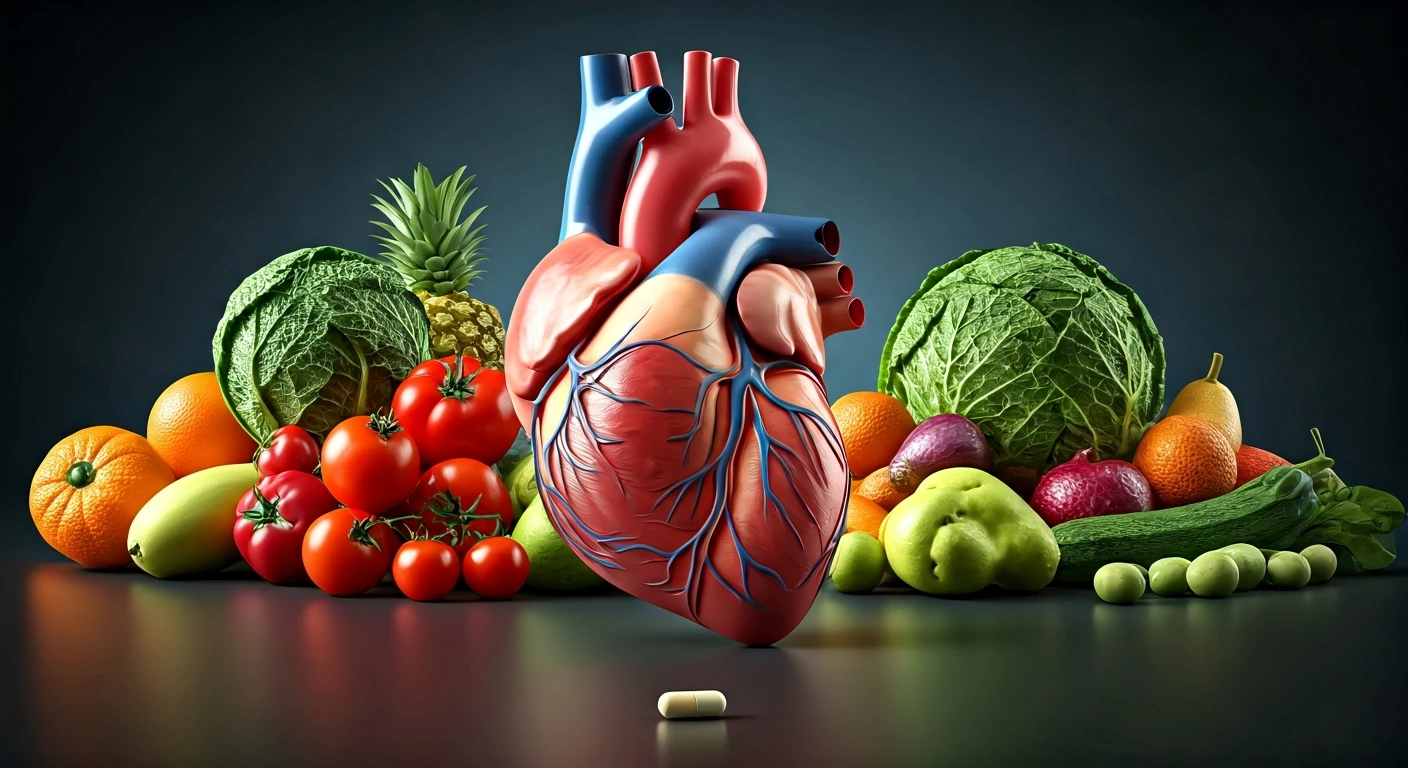
Heart health isn't determined by a single meal but by your long-term eating pattern. Evidence-based dietary patterns like the DASH (Dietary Approaches to Stop Hypertension) and Mediterranean diets are consistently ranked as best for heart health. Both prioritize whole foods like fruits, vegetables, and whole grains while limiting processed foods, added sugars, and sodium. The Mediterranean diet focuses on healthy fats like olive oil and fibre, while the DASH diet is specifically structured to lower blood pressure. The key is choosing an approach that is enjoyable and sustainable. The goal is to build a dietary pattern rich in nutrients from food, which also provide fiber and other beneficial compounds not found in supplements.
Movement: A Daily Dose for Your Heart
Regular physical activity is one of the most effective ways to strengthen your cardiovascular system. Consistent exercise helps lower blood pressure, reduce 'bad' LDL cholesterol, increase 'good' HDL cholesterol, and improve how efficiently your heart pumps blood. The American Heart Association recommends at least 150 minutes of moderate-intensity activity, like brisk walking, per week. This doesn't have to mean gruelling gym sessions. Building short bursts of activity into your day—like taking the stairs or walking instead of driving short distances—can make a significant difference. The benefits are profound and can improve your heart health even without weight loss.