






What Exactly Are CAFE Norms?
CAFE, or Corporate Average Fuel Economy, isn't about one specific car model. Instead, it’s a rule that regulates the average fuel efficiency of a manufacturer's entire fleet of vehicles sold in a year. First introduced in India in 2017, these standards
require automakers to meet a specific target for fuel consumption, which also corresponds to CO2 emissions. If a carmaker sells a mix of fuel-guzzling SUVs and efficient hatchbacks, the weighted average of all cars sold must be below the prescribed limit. This system gives manufacturers flexibility; they can sell some less efficient models as long as they are balanced out by super-efficient ones like EVs or hybrids.
The Big Leap from CAFE-II to CAFE-III
The new CAFE-III norms, which will be implemented from April 1, 2027, to March 31, 2032, represent a significant tightening of the rules. The fuel consumption benchmark will be lowered progressively each year, improving by about 16.7% over the five-year period. For a carmaker with an average fleet weight, the target will drop from around 94.8 g/km of CO2 in FY28 to a stringent 78.9 g/km by FY32. This is a massive jump from the current CAFE-II limit of 113 g/km, signaling a clear push towards much cleaner vehicles. Another key change is the removal of a special concession for small cars that was previously debated, creating a more level playing field.
The Rise of Hybrids and EVs
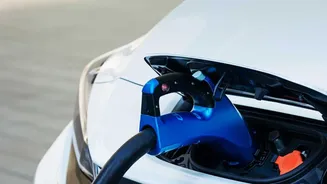
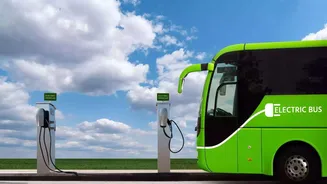
To meet these tough new targets, automakers will lean heavily on electrification. The CAFE-III rules provide powerful incentives, or 'super credits', for selling cleaner cars. For instance, the sale of one battery electric vehicle (EV) will be counted three times in a manufacturer's compliance calculations. Strong hybrids will also get a significant 1.6x multiplier. This system strongly encourages automakers to not just launch, but also sell a higher volume of EVs and hybrids to offset their conventional petrol and diesel models. This is likely to make hybrid technology, currently a niche offering, a mainstream feature in many popular models.
What Changes Under the Bonnet?
Beyond hybrids, expect to see widespread changes in internal combustion engines (ICE). Manufacturers will be pushed to adopt an array of fuel-saving technologies. The regulations provide credits for integrating features like engine start-stop systems, tyre pressure monitoring, regenerative braking, and transmissions with six or more speeds. This will likely accelerate the trend of engine downsizing, where smaller-capacity turbocharged petrol engines replace larger, naturally aspirated ones. You can also expect to see more cars running on alternative fuels, with specific benefits given for models compatible with E20 ethanol-blended petrol and flex-fuels.
The Impact on Your Wallet
While CAFE-III is a regulation for automakers, it will undoubtedly affect consumers. The integration of advanced technologies like hybrid systems, turbochargers, and lightweight materials will likely increase the upfront sticker price of new cars. Automakers facing a compliance gap have the option to trade credits with other manufacturers or buy them from the Bureau of Energy Efficiency, a cost that could be passed on to buyers. However, the flip side is significant long-term savings on fuel. More efficient cars mean a lower running cost over the vehicle's lifetime, which can offset the higher initial purchase price. The shift also means consumers will have access to a wider variety of more technologically advanced and eco-friendly vehicles.