



The Unique Monsoon Health Challenge
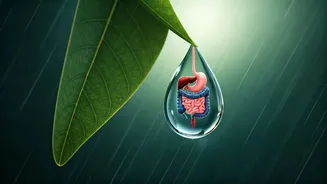
As the rains cool down the country, they also create the perfect environment for germs to thrive. The high humidity and moisture in the air allow bacteria, viruses, and fungi to multiply rapidly. This increases the risk of food and water-borne diseases
like cholera, typhoid, and various stomach infections. Fruits, which are often eaten raw, become a potential source of contamination. They are exposed to contaminated rainwater, dirty hands during transport and sale, and can harbour residual pesticides. This is why our approach to eating fresh produce, especially fruits, needs a slight adjustment during these months.
Your First Line of Defence: The Peel
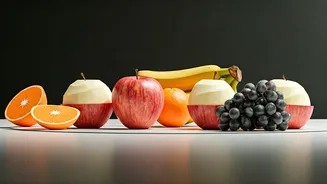
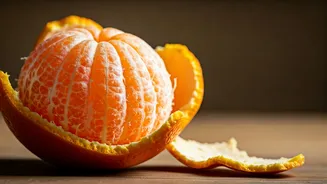
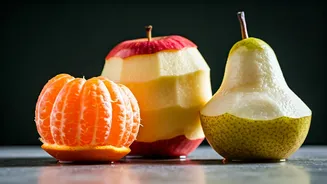
The simplest and most effective strategy to minimise these risks is peeling your fruits. While fruit skins are often packed with fibre and nutrients, during the monsoon, the potential for harm outweighs the benefits. The outer layer is where most of the contaminants, grime, and microbes from the environment settle. Even after a thorough wash, some microscopic germs and chemical residues can remain trapped in the waxy or textured surface of the peel. By removing the peel, you are essentially removing this compromised outer layer, significantly reducing your exposure to harmful pathogens. Think of it as a small, easy step that offers a powerful layer of protection for your digestive system.
Your Monsoon-Ready Fruit Basket
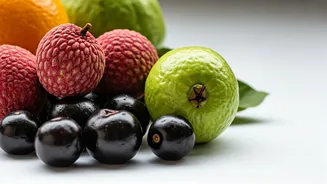
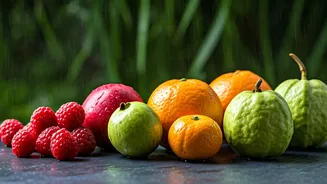
Choosing the right fruits and preparing them correctly is key. Focus on seasonal fruits that have thick, peelable skins. Pomegranates: These antioxidant-rich jewels are excellent for boosting immunity. Their thick, inedible skin protects the arils inside perfectly. Just be sure to wash the exterior before cutting and wash your hands before de-seeding. Apples and Pears: Both are fantastic sources of fibre and vitamins. During the monsoon, it's wisest to sacrifice the skin. Wash them thoroughly under running water, then peel them before consumption to ensure you’re getting the goodness without the risk. Bananas and Litchis: These are classic monsoon favourites for a reason. Their natural packaging keeps the edible part pristine. Peeling them just before eating is the safest way to enjoy their benefits. Papaya: Rich in enzymes that aid digestion—a common concern during this season—papaya is another great choice. Its skin is always removed, making it a safe and healthy option.
Fruits to Approach with Caution
Some fruits are harder to clean and may be best consumed in moderation or sourced from a highly trusted vendor. Berries like strawberries and raspberries have a porous, uneven surface that can trap dirt and microbes, making them very difficult to clean effectively. Grapes, which grow in bunches, can also be challenging to wash thoroughly between each fruit. Similarly, pre-cut fruits sold by street vendors are a major no-go. They are often exposed to the open air for long periods, attracting flies and contaminants, and are frequently cut with unhygienic knives and handled with unclean hands. It's always safer to buy whole fruits and cut them yourself at home just before eating.
Beyond Peeling: More Monsoon Safety Tips
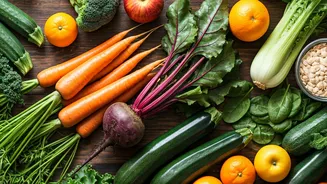
While peeling is a fantastic habit, it works best as part of a broader strategy for monsoon wellness. Always wash your hands with soap and water before handling any food. Wash all fruits and vegetables, even those you plan to peel, under clean, running water to remove surface dirt that could be transferred by your knife or hands. If you are unsure about your water quality, consider soaking vegetables in a solution of water and vinegar for a few minutes. Avoid eating raw salads outside; opt for steamed or cooked vegetables instead. These simple precautions, combined with the habit of peeling fruits, create a strong defence against common monsoon ailments.