





Understanding Visual Noise
Visual noise isn't about mess or dirt. It’s the overwhelming effect of having too many objects competing for your attention. Think of countertops covered in appliances, open shelves packed with mismatched items, or a tangle of charging cables. Even when
these items are organised, their sheer visibility creates a sense of fragmentation and demands mental energy to process. A room can be spotless but still feel chaotic if it’s visually loud. This constant stream of information can keep your nervous system in a state of low-level activation, making it difficult to relax fully in your own home.
The Calming Power of Concealment
Our physical environment is often a reflection of our internal state, and studies show that cluttered spaces can increase levels of cortisol, the body's stress hormone. By reducing what the eye has to see, you create a more serene atmosphere that promotes calm and reduces anxiety. Closed storage acts as a visual filter. When objects are tucked away behind doors and in drawers, the brain has less information to interpret, which fosters a sense of order and control. This doesn’t just make a room look better; it can genuinely improve your mood, enhance focus, and provide a feeling of accomplishment.
Living Room and Entryway Solutions
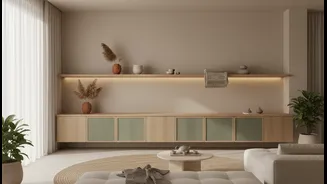
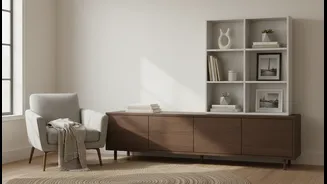
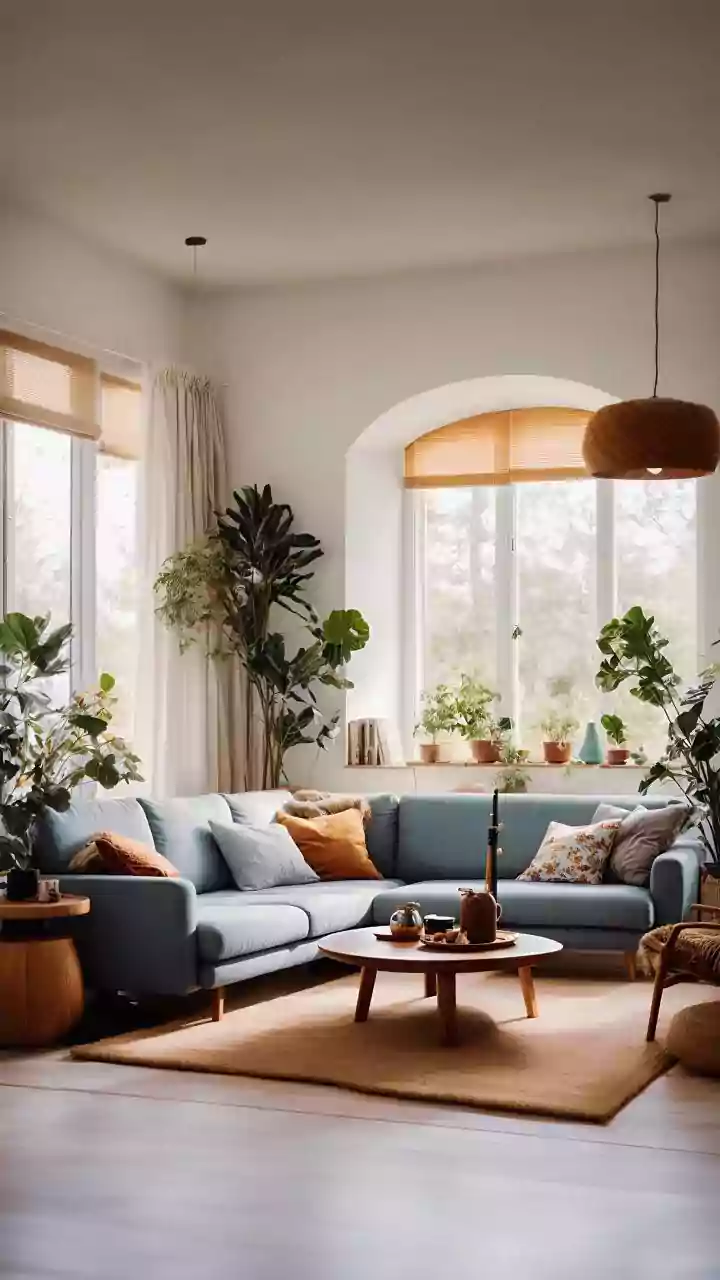
The living room is often the hub of the home, making it a prime candidate for visual noise. Instead of open TV stands, opt for a media console with solid doors to hide electronics, game consoles, and cables. A storage ottoman or a coffee table with drawers offers a perfect spot to stash remote controls, magazines, and throw blankets. In the entryway, a slim cabinet or a bench with built-in compartments can keep shoes, bags, and mail from piling up by the door, creating a welcoming first impression.
Creating Serenity in the Bedroom
The bedroom should be a sanctuary for rest, but it can easily become a depot for clothes, books, and personal items. Choose nightstands with drawers over simple tables to keep surfaces clear. A wardrobe is essential, but if you're short on space, consider a bed frame with built-in drawers or a hydraulic lift system. These are ideal for stowing away seasonal clothing, extra linens, and luggage, keeping them accessible but completely out of sight. By keeping visual distractions to a minimum, you create an environment that signals to your brain that it's time to unwind.
Streamlining the Kitchen and Office
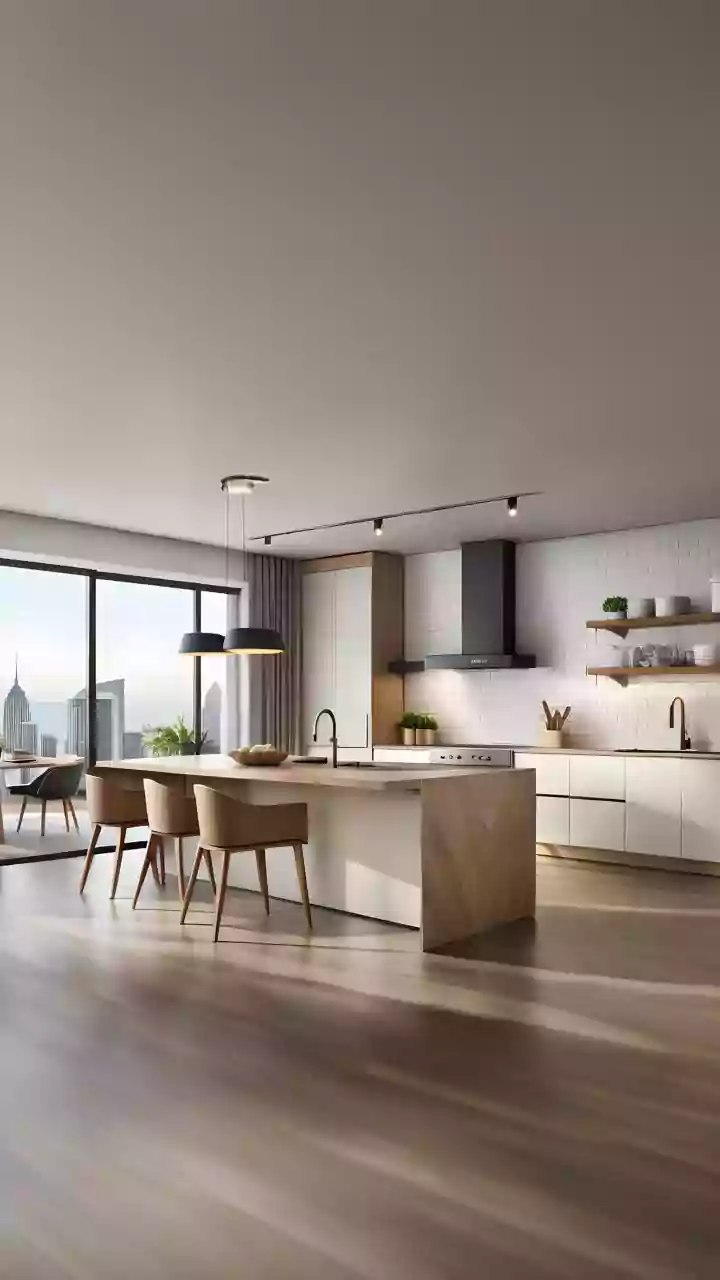
Kitchens are notoriously prone to clutter. The key is to conceal what you don't use daily. Use cabinets and pantries to store small appliances, cookware, and dry goods. Inside drawers, use dividers to organise utensils and gadgets. For a home office, a desk with built-in drawers is invaluable for managing paperwork and supplies. A tall, closed cabinet can effectively hide printers, files, and other office equipment, allowing the space to feel focused and productive rather than chaotic and overwhelming. The goal is to have clean, uncluttered work surfaces that allow you to concentrate on the task at hand.
The Golden Rule: Declutter First
Before you invest in storage, it's crucial to declutter. Storage solutions are meant for organising essentials, not for hiding junk. The process of deciding what to keep and what to let go of is a mindful act that helps you become more intentional about your belongings. Once you’ve streamlined your possessions, you can choose storage that truly fits your needs. Use bins and baskets inside larger cabinets to group smaller items, preventing them from becoming a disorganised mess. Remember, effective storage isn't about achieving perfection; it's about creating a system that supports your daily life and brings a sense of peace to your home.