



The Genius of One-Pot Cooking
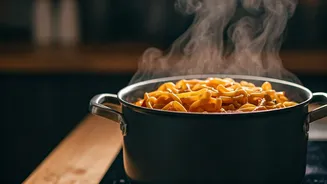
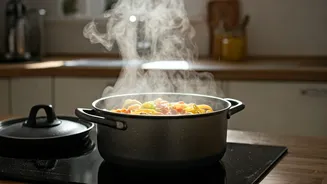
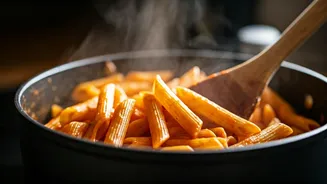
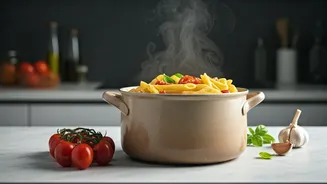
The concept behind one-pot pasta is brilliantly simple: instead of boiling pasta in one pot and making a sauce in another, everything cooks together in a single pan. The dry pasta is added directly to the pan with your other ingredients—like tomatoes,
onions, garlic, and herbs—along with a specific amount of liquid, such as stock or water. As the pasta cooks, it absorbs the flavourful liquid, and the starch that is released helps to create a silky, emulsified sauce. This method not only saves you from washing a colander and a second large pot, but it also results in a more intensely flavoured dish because the pasta is cooked in its own sauce from the very beginning.
Mastering the Liquid Ratio
The key to perfect one-pot pasta is getting the liquid-to-pasta ratio right. Too much liquid and you'll have a soup; too little and the pasta might not cook through. A reliable starting point for one pound (or about 450 grams) of pasta is around 4 to 4.5 cups of liquid. This can be water, chicken stock, or vegetable broth. Using stock will always add an extra layer of flavour. It's wise to keep some extra hot water or stock on hand. If the sauce reduces too quickly before the pasta is al dente, you can add a splash more liquid to keep things moving. Conversely, if the pasta is cooked but there's too much liquid, simply let it rest off the heat for a few minutes; the pasta will continue to absorb the sauce as it sits.
Choosing the Right Pasta Shape
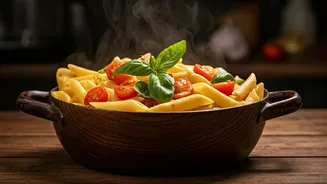
While you can experiment with various types, some pasta shapes are better suited for one-pot meals. Long, slender pastas like spaghetti, linguine, and fettuccine work wonderfully, as they can lie flat in a large skillet and cook evenly. For shorter shapes, opt for those with ridges or hollows that excel at trapping sauce, such as penne, rigatoni, or fusilli. These shapes ensure every bite is coated. Very small shapes like orzo or ditalini are also excellent choices, often creating a creamy, risotto-like consistency. It's best to avoid very large or delicate fresh pastas, which may require different cooking times and methods.
Classic Tomato and Basil One-Pot Spaghetti
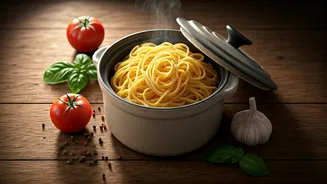
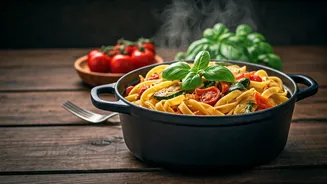
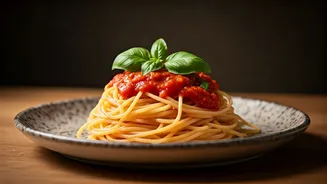
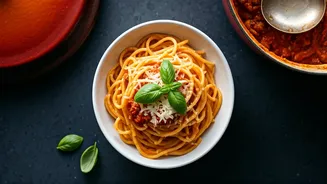
This foundational recipe is the perfect entry into the world of one-pot pasta. In a large, high-sided skillet, combine 1 pound of spaghetti, 1 can (about 400g) of diced tomatoes with their juices, one thinly sliced onion, and a few thinly sliced cloves of garlic. Add a generous handful of fresh basil leaves, a pinch of red pepper flakes for heat, and a drizzle of olive oil. Pour in 4.5 cups of vegetable or chicken stock. Bring the mixture to a boil over high heat, then use tongs to stir and submerge the pasta. Reduce the heat to a simmer and cook, stirring frequently, for about 10-12 minutes, until the pasta is al dente and the liquid has reduced to a saucy consistency. Finish with a generous grating of Parmesan cheese.
Creamy Lemon and Spinach Pasta
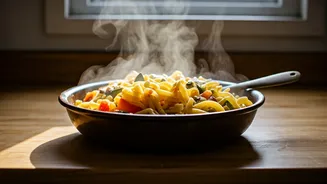
For a brighter, creamier option, try this variation. Start by sautéing garlic in olive oil in your pot. Add your pasta (fettuccine is a great choice here), 4 cups of vegetable broth, and the juice of one lemon. Bring to a boil, then reduce to a simmer and cook, stirring often. When the pasta is about two minutes away from being done, stir in a few large handfuls of fresh spinach, allowing it to wilt completely. To finish, turn off the heat and stir in a half-cup of heavy cream or a dollop of ricotta cheese, along with grated Parmesan. The residual heat will create a luscious, creamy sauce without curdling the dairy. Season with salt and pepper to taste before serving.
Tips for Flawless One-Pot Meals
To ensure success, keep a few things in mind. First, don't be afraid to sauté aromatics like onion and garlic for a minute before adding everything else; this builds a deeper flavour base. Second, stir frequently. This is crucial to prevent the pasta from sticking to the bottom of the pan and to ensure even cooking. Finally, remember that delicate ingredients should be added near the end. Fresh herbs like basil or parsley, leafy greens like spinach, and finishing touches like cream or cheese should be stirred in during the last few minutes of cooking to preserve their flavour and texture.