







A Shift in Wanderlust
There’s a quiet rebellion brewing in the world of Indian travel. For a generation raised on a diet of Goan beaches and Himalayan treks, a different kind of journey is gaining appeal. It’s slower, more deliberate, and steeped in history. Across the heartland
of India, particularly in the regions of Madhya Pradesh and Bundelkhand, young urbanites are joining guided heritage walks. They are trading club-hopping for exploring centuries-old ruins and swapping infinity pools for the serene stepwells that once quenched the thirst of empires. This isn't about ticking off a bucket list; it's about connection. It's a conscious move away from the performative, Instagram-centric travel towards an experience that feels authentic, educational, and deeply personal. They are discovering that India’s story is not just written in Delhi and Agra, but whispered from the walls of forgotten forts and ghost cities.
Mandu: Where History Breathes
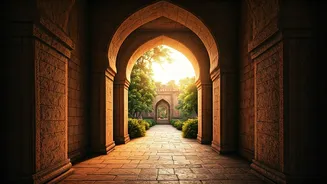
Nowhere is this trend more alive than in Mandu, the fortress city of Madhya Pradesh. Perched on a verdant plateau, it’s a landscape dotted with architectural marvels from the Malwa Sultanate. Here, young travellers walk through structures that showcase a unique blend of Pashtun and local aesthetics. They listen as storytellers-cum-guides explain the engineering behind Jahaz Mahal, the 'Ship Palace' that appears to float between two artificial lakes, built to house the harem of Sultan Ghiyas-ud-din Khilji. They marvel at the Hindola Mahal, or 'Swing Palace,' with its distinctive sloping walls that create an illusion of motion. These walks are sensory experiences—the feel of cool stone in the midday heat, the echo of footsteps in a cavernous tomb, and the sight of grand arches framing a monsoon-green landscape. It is history made tangible, far more compelling than any textbook.
Orchha: A Kingdom Frozen in Time
A few hundred kilometres away lies Orchha, another jewel that is capturing the imagination of this new generation of explorers. Nestled on the banks of the Betwa River, the former capital of the Bundela Rajput kings is a spectacular study in a different architectural grammar. The walks here are dramatic. They begin with the iconic chhatris (cenotaphs) of the Bundela rulers, their domes creating a formidable silhouette against the rising sun. From there, groups snake their way across a medieval bridge to the fort complex, home to the multi-levelled Jahangir Mahal. This palace was built in the 17th century to honour a single visit from the Mughal emperor, a testament to the intricate dance of power and diplomacy of the era. The guides leading these tours are masters of narrative, connecting the intricate frescoes in the Raja Mahal to the epic tales of the Ramayana and the daily lives of the queens who once resided there.
The New Storytellers
This movement is being powered by a new ecosystem of boutique travel companies, independent historians, and conservation architects. Organisations like India Heritage Walks and local experts are curating immersive experiences that go beyond mere sightseeing. They use storytelling to unpack the layers of history, art, and culture embedded in the architecture. Social media, often blamed for superficial travel, plays a different role here. It's a platform for these new guides to share their knowledge and for travellers to post photos not of themselves, but of a stunning jaali window or a forgotten fresco. It becomes a digital archive of discovery, inspiring others to seek out these lesser-known histories. These walks foster a sense of collective ownership and pride in India’s vast, diverse, and often-overlooked regional heritage.