






The Gentle Science of a Post-Meal Walk
The simple act of walking after you eat is a remarkably effective way to support your body’s processes, particularly when it comes to managing blood sugar. When you eat, your body converts carbohydrates into glucose, which enters your bloodstream. A walk,
even a very short one, helps your muscles use up some of this glucose for energy. Studies have shown that walking for as little as two to five minutes after a meal can have a measurable impact on lowering blood sugar levels, preventing the sharp spikes and subsequent crashes that can leave you feeling tired. This effect is so significant that some research suggests short, frequent walks after each meal can be more effective for 24-hour glycemic control than one single, longer walk. The ideal time to start is within 30 minutes of finishing your meal, as this is when blood sugar levels typically begin to peak.
More Than Just Blood Sugar
Beyond its metabolic benefits, a post-meal walk is also a fantastic aid for digestion. Gentle movement stimulates the stomach and intestines, helping food move through your system more efficiently. This can significantly reduce common discomforts like bloating, gas, and that overly full feeling. In fact, one study found that a 10- to 15-minute walk after meals was more effective at reducing gastrointestinal symptoms than some medications. But the advantages aren't just physical. Taking a walk provides a mental break, helping to reduce stress by lowering cortisol levels and releasing mood-boosting endorphins. It’s a moment to clear your head, get a change of scenery, and connect with your surroundings, which can improve focus and overall mental well-being.
Ditching the Performance Mindset
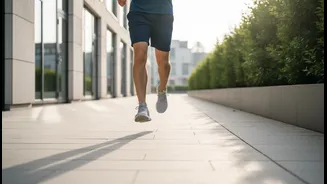
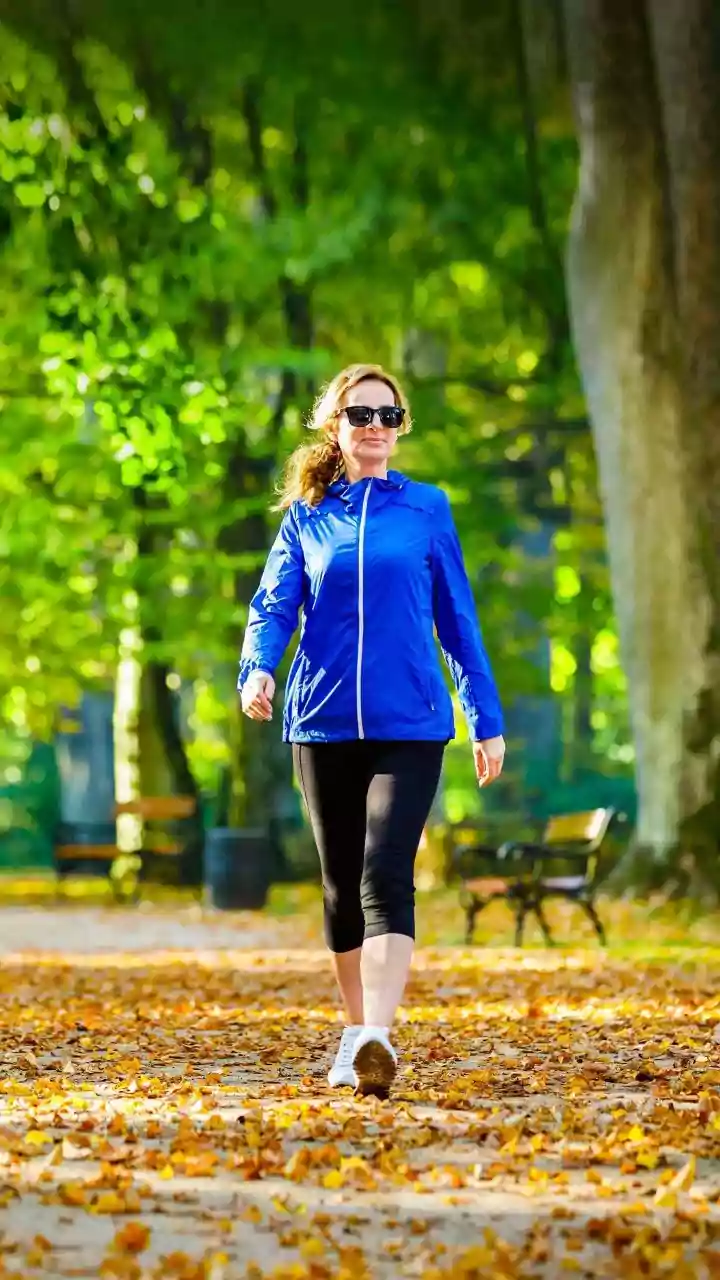
Here is the most important part: a post-meal walk does not need to be a workout. The goal is not to burn a maximum number of calories or hit a target heart rate. In fact, high-intensity exercise right after eating can be counterproductive, sometimes causing digestive upset or even a stress-induced spike in blood sugar. The benefits come from light, gentle movement. This is about embracing a sustainable habit, not adding another performance metric to your life. You don't need special workout clothes, a fitness tracker, or a pre-planned route. The beauty of the post-meal stroll is its simplicity. It’s an act of gentle self-care, a quiet rebellion against the idea that every aspect of our health must be optimized and measured.
How to Make It a Habit
Integrating this practice into your daily life is easier than you think because the barrier to entry is so low. The key is to remove any friction and start small. After lunch at work, instead of scrolling on your phone, take a lap around the office building or walk to a nearby park. At home after dinner, suggest a family walk around the block or simply walk to the end of the street and back. If the weather is bad, a few minutes of walking around your house still counts. The duration can be as short as two minutes to start, and a 10- or 15-minute stroll is more than enough to reap significant rewards. The point is not the duration or intensity, but the consistency of creating a small pocket of movement after you eat.