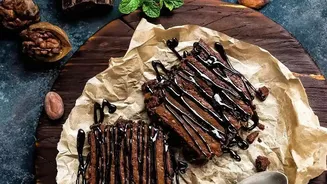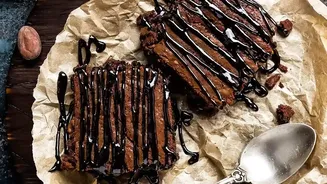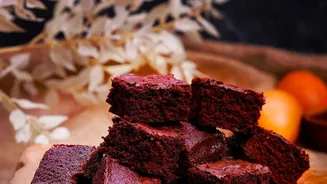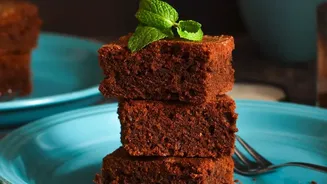

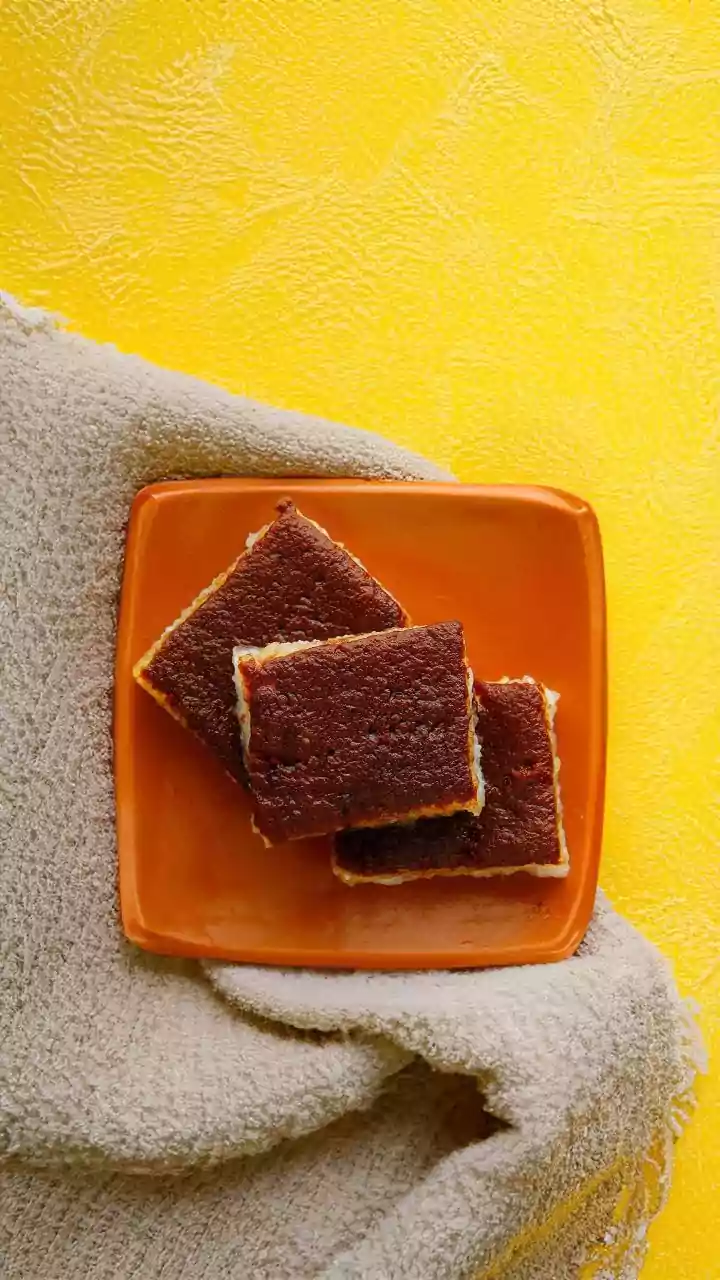
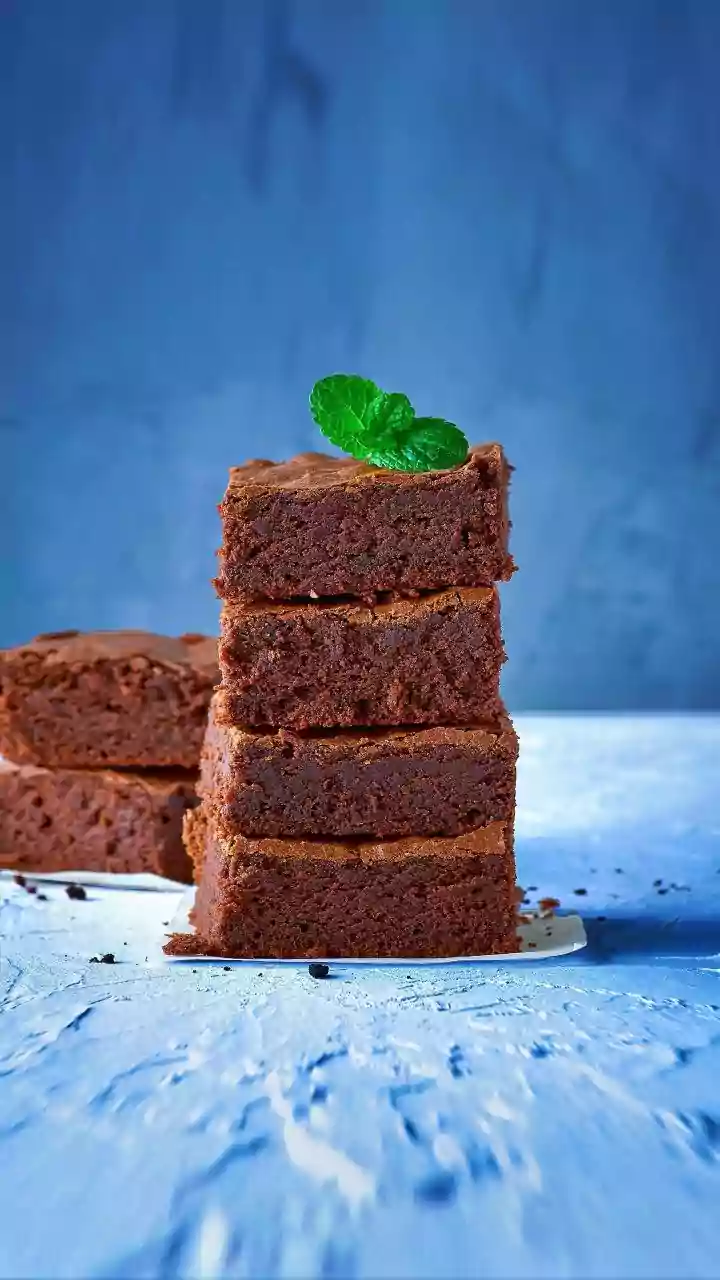
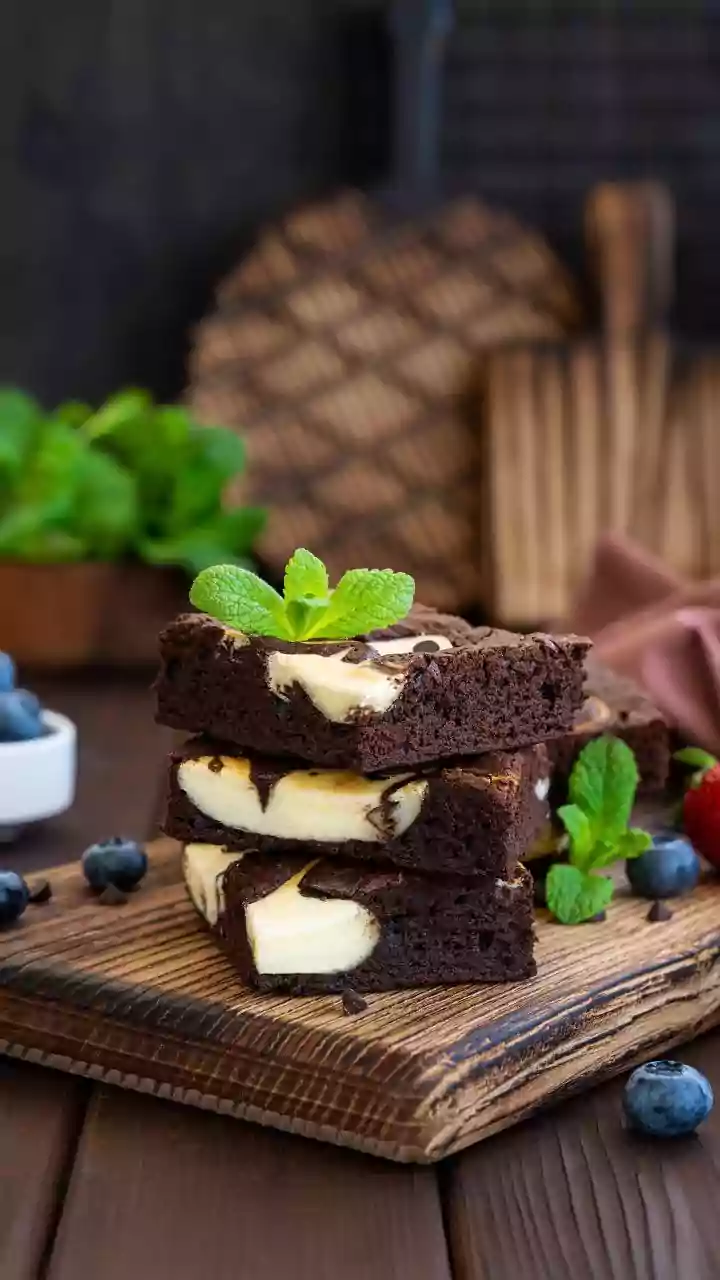
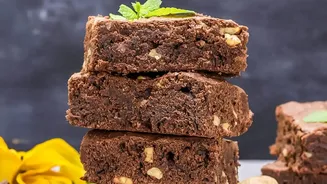
The Classic Brownie Gets a Healthy Makeover
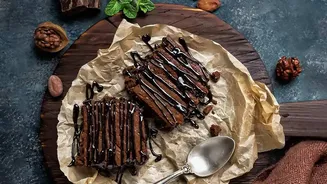
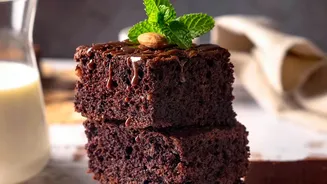
The humble brownie, a universal symbol of gooey, chocolatey comfort, is getting a distinctly Indian and incredibly healthy update. Bakers and health-conscious foodies across India's cities are swapping out refined all-purpose flour (maida) for a traditional
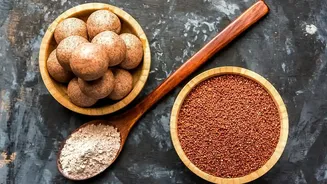
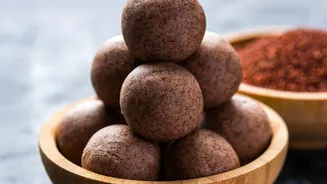
powerhouse: finger millet, or ragi. The result is a dessert that retains its decadent charm while packing a serious nutritional punch. This isn't just about a simple ingredient swap; it's a reflection of a larger movement towards conscious eating, where modern treats are being reimagined with ancient, nutrient-dense grains.
What Exactly Is Finger Millet?
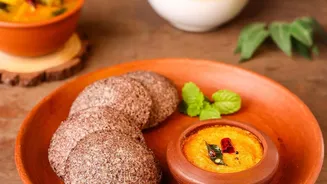
For generations, finger millet, known as ragi in the south and nachni in the north, has been a staple food in many parts of India, especially for low-income groups. It’s a hardy crop celebrated for its resilience and nutritional value. Traditionally used to make porridge, rotis, and dosas, ragi has long been valued as a source of strength and sustenance. It has a unique, slightly earthy flavour that pairs surprisingly well with the deep notes of chocolate. As urban Indians look to their roots for wellness solutions, this once-sidelined millet is making a grand comeback, moving from the traditional thali to the modern dessert plate.
A Nutritional Powerhouse
So, why the excitement over ragi? The nutritional statistics speak for themselves. Finger millet is a gluten-free grain, making it an excellent choice for those with celiac disease or gluten sensitivity. Its most lauded feature is its exceptional calcium content, which is among the highest of all cereals, far surpassing wheat and even milk. Beyond bone health, ragi is rich in dietary fibre, which aids digestion, promotes a feeling of fullness, and can help manage weight. It's also a great source of iron, essential for preventing anaemia, and packed with antioxidants and essential amino acids. With a low glycemic index, it releases sugar into the bloodstream slowly, providing sustained energy without the crash associated with refined flours.
The Rise of the Conscious Urban Eater
The ragi brownie trend isn’t happening in a vacuum. It’s driven by a powerful shift in urban consumer behaviour. Today's city dwellers are more informed and discerning about their food choices than ever before. They are actively seeking out foods that are not only tasty but also clean, minimally processed, and beneficial for their health. This has fuelled a larger revival of ancient grains, with millets, amaranth, and barley reappearing in modern kitchens and on cafe menus. The ragi brownie perfectly captures this ethos: it allows for indulgence without compromising on wellness, blending the global appeal of a brownie with the local, trusted goodness of a traditional grain.
The Art and Science of Baking with Ragi
Baking with ragi flour presents a unique but rewarding challenge. Since it's gluten-free, it doesn't have the binding properties of wheat flour, which can lead to a denser, crumblier texture. Bakers have found clever ways to work around this. Many recipes for ragi brownies combine ragi with a small amount of whole wheat flour or another binding agent to achieve the perfect fudgy consistency. To balance ragi's distinct taste, cocoa powder is an essential ingredient, its richness complementing the millet's nutty notes. Sweeteners like jaggery are often used instead of refined sugar, adding another layer of traditional flavour and nutrients. The result is a brownie that is dense, moist, and deeply chocolatey.