


More Than a Meal, It's an Emotion
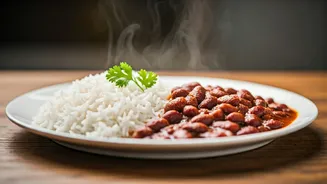
Ask anyone from North India about their ultimate comfort food, and the answer will likely be a resounding 'Rajma Chawal'. It’s a response that comes not just from the taste buds, but from the heart. This simple dish of kidney beans simmered in a spiced
tomato gravy, served with fluffy white rice, is a hug in a bowl. It’s the culinary equivalent of your mother telling you everything is going to be okay. For decades, it has been the undisputed star of Sunday lunches, a weekly ritual that brings families together. The slow-cooking process, the fragrant aroma filling the house, and the shared anticipation make it more than just sustenance; it’s a pillar of domestic culture and a carrier of memories.
The Sunday Ritual and Its Roots
The cultural significance of Rajma Chawal is deeply embedded in the social fabric of Punjab and neighbouring states. The tradition of a leisurely Sunday lunch centred around this dish is a cherished one. Why Sunday? The logic was simple and practical. Rajma requires overnight soaking and a long, slow cooking time to achieve its signature creamy texture—a process best suited for a day of rest. It became a meal that couldn't be rushed, encouraging families to slow down and connect. This ritual has been passed down through generations, making Rajma Chawal synonymous with home, family, and the comforting predictability of a lazy weekend afternoon. Each family has its own secret recipe—some like it thick, others with a thinner gravy; some add a dollop of ghee, others a squeeze of lemon—but the emotional core remains the same.
A Comeback in a Crowded Food Scene
In an era of quinoa bowls, avocado toast, and artisanal sourdough, how is this humble dish staging a comeback? The 'again' in 'winning hearts once again' is key. It’s not that Rajma Chawal ever left; it was simply a constant, reliable presence in our homes. Its resurgence in the public sphere, however, is new. Post-pandemic, there has been a collective pivot towards comfort, nostalgia, and authenticity. We are seeking reassurance, and what’s more reassuring than the food of our childhood? Social media is flooded with beautifully shot images of steaming Rajma Chawal bowls, posted not just by home cooks but by popular food influencers celebrating its simplicity. This digital appreciation has introduced the dish to a new generation and reminded others of its timeless appeal, moving it from the private dining table to the public Instagram feed.
From Home Kitchens to Trendy Cafes
Perhaps the most significant sign of its renewed popularity is its journey out of the home kitchen and into commercial spaces. Once a dish you’d rarely find on a restaurant menu, Rajma Chawal is now a star offering. From dhabas and university canteens to trendy urban cafes and cloud kitchens specialising in 'homestyle' meals, it’s everywhere. Chefs are celebrating it, sometimes giving it a subtle gourmet twist, but often presenting it in its most honest, unadorned form. This commercial embrace has made the dish accessible to everyone—students living away from home, young professionals too busy to cook, and anyone craving a taste of home. It has successfully transitioned from a purely domestic meal to a mainstream culinary experience.
The Unbeatable Anatomy of a Classic
Ultimately, the enduring and renewed love for Rajma Chawal comes down to the dish itself. It’s a masterclass in flavour and texture. The earthy, creamy kidney beans provide a perfect canvas for the gravy—a robust and tangy blend of tomatoes, onions, ginger, garlic, and a host of aromatic spices. The hot, fluffy rice acts as the perfect vehicle, soaking up every last drop of the flavourful gravy. Add a side of pickled onions and a spoonful of mint chutney or plain yoghurt, and you have a perfectly balanced meal. It’s simple yet complex, hearty yet not heavy, and deeply satisfying on a primal level. It doesn't rely on expensive ingredients or complicated techniques, proving that the best food is often the most straightforward.