






The Search for Deeper Disconnection
In the shadow of a global pandemic and the ensuing 'Great Resignation,' the standard one-week vacation has started to feel like a flimsy bandage on a deep wound. The new holy grail for a growing number of travelers isn’t just logging off, but actively
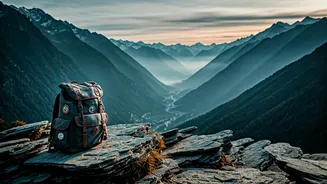
seeking out places so remote and demanding that the noise of modern life can’t follow. This isn't about simple relaxation; it’s about intentional isolation and introspection. The destinations of choice are often rugged, spiritually significant, and technologically sparse. Enter Tawang and Spiti Valley—two distinct but equally profound Himalayan regions that have become unlikely epicenters for this movement. They offer something more potent than a digital detox: a full-system recalibration, forcing visitors to confront silence, scale, and self.
Tawang: A Spiritual Sanctuary in the Clouds
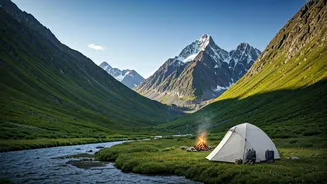
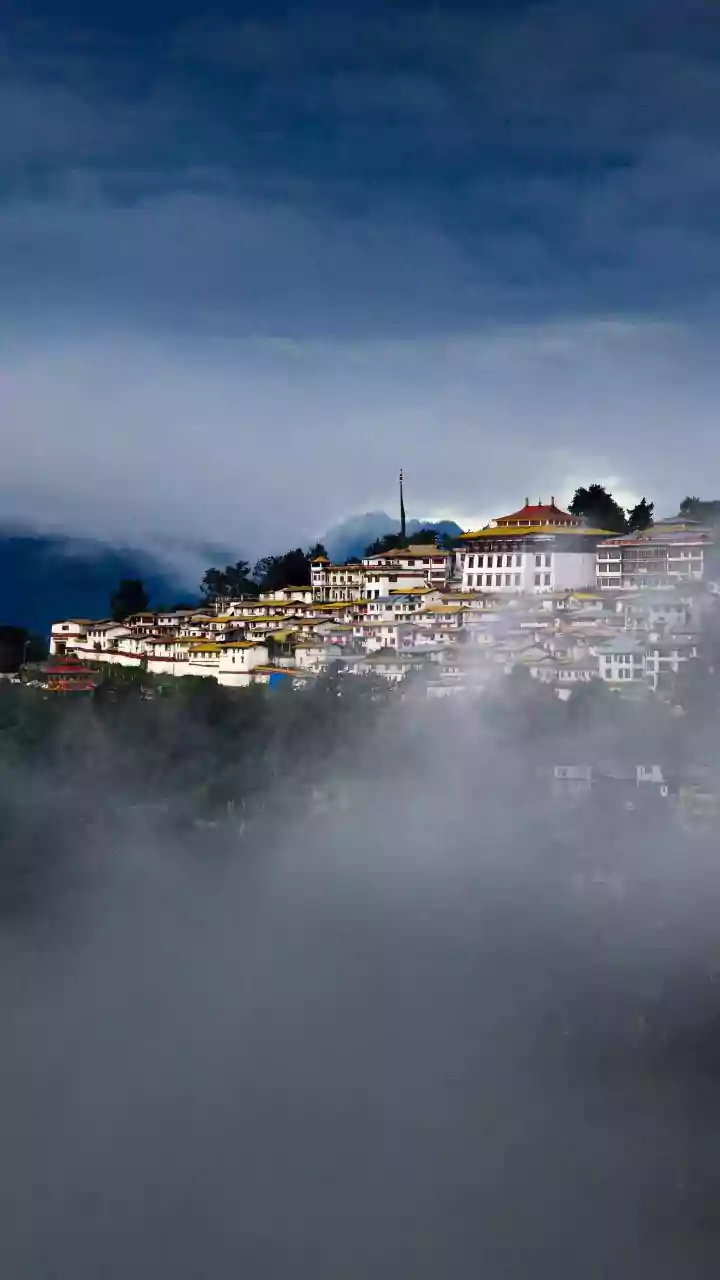
Tucked away in the northeastern corner of India in Arunachal Pradesh, reaching Tawang is an odyssey in itself. The journey involves navigating winding mountain passes and requires special permits, immediately filtering out casual tourists. But for those who persevere, the reward is a landscape saturated with tranquility. Tawang is dominated by the second-largest monastery in the world, a 17th-century bastion of Tibetan Buddhism that seems to float above the valley. The air here is thin, crisp, and filled with the low hum of chanting monks and the flutter of prayer flags. A 'mental reset' in Tawang isn’t a structured retreat; it’s absorbed through osmosis. It’s found in the quiet contemplation by high-altitude lakes like Pankang Teng Tso, the humbling sight of snow-capped peaks, and the pervasive sense of being in a place where time is measured not in minutes, but in moments of clarity.
Spiti Valley: The Stark Beauty of the 'Middle Land'
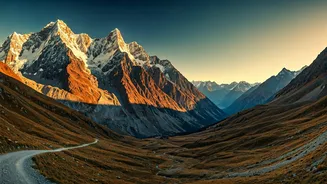
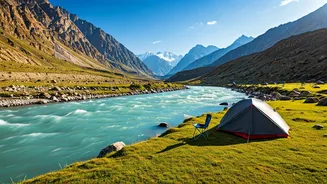
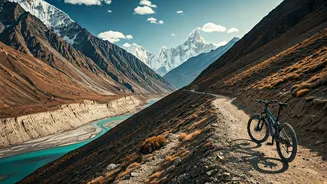
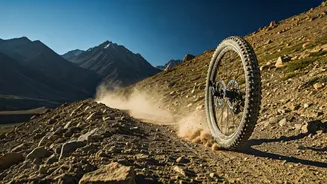
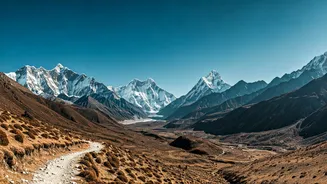
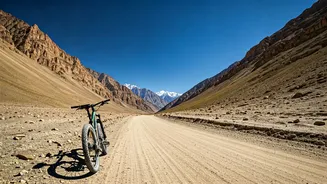
If Tawang is a lush, spiritual haven, Spiti Valley is its stark, otherworldly counterpart. Located in Himachal Pradesh, its name translates to 'The Middle Land,' as it sits between Tibet and India. It is a cold, high-altitude desert of breathtaking scale and desolation. The landscape is a canvas of barren, rust-colored mountains, impossibly blue skies, and tiny green oases of village life clinging to the riverbanks. The appeal of Spiti lies in its raw, unfiltered nature. It’s a place that strips away modern comforts, with its spotty electricity and non-existent cell service in most areas. Visitors find their reset not in luxury, but in the profound humility of standing before thousand-year-old monasteries like Key Gompa, which seems to grow organically from its cliffside perch. It's in the challenge of the drive, the hospitality of the local Spitian people, and the overwhelming feeling of being a small part of a vast, ancient world.
More Than a Vacation, It's a Declaration
The growing interest in Tawang and Spiti isn't just a travel trend; it's a cultural statement. Choosing these destinations over Bali or Cancun is a conscious rejection of hyper-connectivity and consumerism. This type of travel requires patience, physical endurance, and a willingness to be uncomfortable. It swaps poolside cocktails for mugs of butter tea and trades Wi-Fi passwords for conversations with monks or local villagers. For many, the hardship is the point. The difficult journey primes the mind for the transformation that awaits. By shedding the layers of everyday convenience, travelers create the space needed to hear their own thoughts again, reconnect with fundamental truths, and return not just rested, but fundamentally reoriented.