


1. Millet Magic in Idlis and Dosas
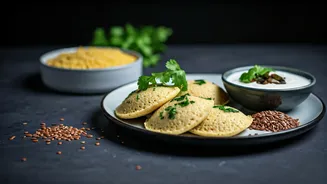
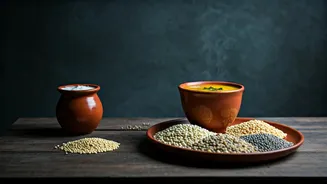
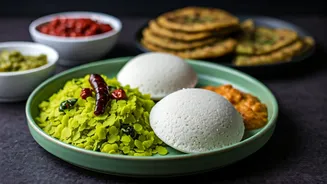
The classic idli and dosa, made from rice and urad dal, are staples for a reason. But a simple, viral swap is taking their nutritional profile to the next level: millets. Influencers and nutritionists alike are championing the addition of millets like foxtail
(kangni), finger (ragi), or pearl (bajra) to the batter. The hack is simple: replace a portion of the rice (start with 25% and see how you like it) with your chosen millet. Millets are packed with fibre, protein, and essential minerals, and have a lower glycemic index than polished white rice. This means they help keep you fuller for longer and prevent sharp spikes in blood sugar, making your fluffy idlis and crispy dosas a more powerful start to your day.
2. The Protein-Packed Paratha
Who doesn't love a warm, stuffed paratha? While the beloved aloo paratha is pure comfort, the new wave of breakfast hacks focuses on amping up the protein. Instead of a potato-only filling, try mashed paneer, crumbled tofu, or sattu (roasted gram flour). These alternatives transform your paratha from a carb-heavy dish into a balanced meal. A paneer or sattu stuffing significantly increases the protein content, which is crucial for muscle repair, satiety, and sustained energy. To make it even healthier, use whole wheat (atta) or multigrain flour for the dough and cook the paratha with minimal ghee or oil on a non-stick tava. It's the same satisfying experience, just with better fuel for your body.
3. Power Up Your Poha and Upma
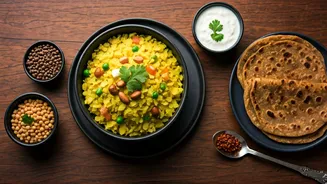
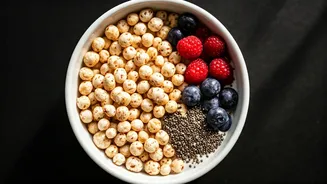
Poha and upma are quick, easy, and delicious, but they can be made even better. The most popular viral hack for these dishes is all about additions. For poha, trending posts show people tossing in a handful of sprouted moong, black chickpeas (kala chana), or roasted peanuts towards the end of cooking. This adds a delightful crunch, but more importantly, it boosts the protein and fibre content. For upma, the trick is to load it with finely chopped vegetables like carrots, peas, and beans while cooking the rava. Another brilliant tip is to stir in a tablespoon of ground flaxseed or chia seeds right before serving. These seeds are nutritional powerhouses, rich in omega-3 fatty acids and fibre, adding a stealthy health boost without altering the taste.
4. Sneak in More Vegetables
This hack is one of the simplest and most effective. The goal is to incorporate more vegetables into your breakfast without anyone really noticing. For dishes like chilla or uttapam, add finely grated beetroot, spinach purée, or carrot to the batter. This not only adds nutrients and fibre but also gives your breakfast a vibrant, Instagram-worthy colour. Making parathas? Grate zucchini or bottle gourd (lauki) into the dough itself. The moisture from the vegetable helps make the dough soft, and it’s an effortless way to increase your daily vegetable intake. It’s a win-win: you get more vitamins and minerals, and your breakfast becomes more moist and flavourful.
5. Ditch Refined Sugar Smartly
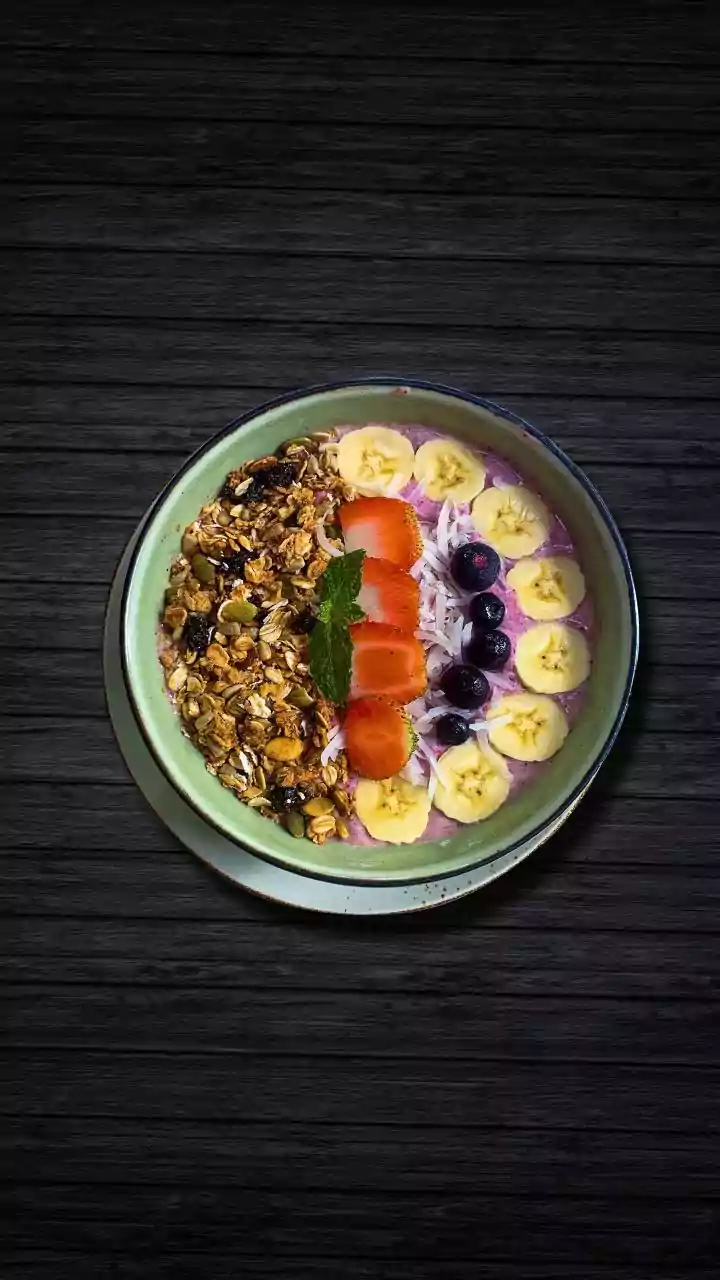
Many of us can't start our day without a cup of chai or coffee, which often comes with a spoonful (or two) of sugar. The viral trend isn't about giving up your morning ritual, but about making a smarter choice. Instead of refined white sugar, people are turning to natural sweeteners like jaggery (gur) powder, date paste, or a small piece of a fig. These options contain more minerals than white sugar and have a slightly lower impact on blood sugar levels. For breakfast dishes that need a touch of sweetness, like a fruit smoothie or a bowl of oats, relying on the natural sweetness of fruits like bananas, berries, and mangoes is the best hack of all.
6. The Cheela and Moong Dal Dosa Revolution
While not exactly a 'hack' on an existing dish, the rising popularity of besan (gram flour) cheela and moong dal dosas is a trend worth noting. These are inherently healthy breakfast options that are gaining viral traction as alternatives to grain-based dishes. Both are naturally high in protein and gluten-free. A simple besan cheela, spiced with ajwain and turmeric and filled with chopped onions and tomatoes, is a complete meal. Similarly, a pesarattu (moong dal dosa) requires no fermentation and is incredibly light yet filling. They are quick to make, versatile, and offer a fantastic way to start your day with a solid dose of plant-based protein.