


Why Polluted Air Hurts Your Throat
Smog is a complex mixture of pollutants, including fine particulate matter (PM2.5), nitrogen oxides, and ground-level ozone. When you breathe this polluted air, these tiny particles and gases come into direct contact with the sensitive lining of your
throat. This can cause inflammation, dryness, and irritation as your body's immune system reacts to these foreign substances. Prolonged exposure can weaken the throat's natural defenses, making it more susceptible to both irritation and infections. The result is the classic smog sore throat: a persistent, scratchy, and uncomfortable feeling.
The Foundation: Rest and Abundant Fluids
The headline advice is a classic for a reason. Rest gives your body the energy it needs to deal with inflammation and repair irritated tissues. When your body is under stress from pollutants, conserving energy is crucial. Equally important is hydration. Drinking plenty of fluids helps keep the throat's mucous membranes moist, which can soothe dryness and help flush away irritants. Opt for warm liquids like herbal teas, clear soups, and warm water with lemon. These can help loosen mucus and provide immediate comfort to the back of your throat. While cold liquids can also help by numbing the area, warm fluids offer the added benefit of clearing congestion.
Effective Home Remedies for Soothing Relief
Beyond basic rest and fluids, several traditional Indian and globally recognised remedies can provide significant relief. A saltwater gargle, made by dissolving half a teaspoon of salt in a glass of warm water, can reduce swelling and inflammation. Honey is another powerful soother, known for its natural antibacterial properties; a spoonful on its own or mixed into warm tea can coat and calm an irritated throat. For an anti-inflammatory boost, consider ginger tea or classic 'haldi doodh' (turmeric milk). Steam inhalation, either from a hot shower or a bowl of hot water (to which a few drops of eucalyptus oil can be added), helps moisturise the airways and loosen mucus.
Prevention is Your First Line of Defence
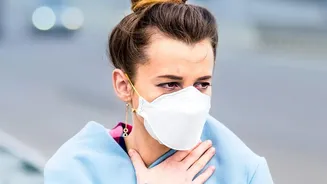
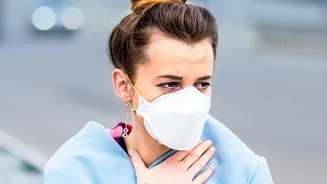
The best way to deal with a smog-induced sore throat is to minimise your exposure to pollutants. Always check the daily Air Quality Index (AQI) before heading out. On days with 'Poor' to 'Severe' air quality, limit outdoor activities, especially strenuous exercise like jogging. If you must go outside, wear a well-fitted N95 or N99 mask, which is effective at filtering out fine particulate matter. Indoors, keep windows and doors closed during peak pollution hours, typically early morning and late evening. Using an air purifier with a HEPA filter can significantly improve indoor air quality. Finally, avoid indoor sources of smoke, such as incense sticks and mosquito coils, which can add to the pollutant load.
When to See a Doctor
While home remedies are effective for mild irritation, it's crucial to recognise when professional medical advice is needed. You should consult a doctor if your sore throat lasts for more than a week without improvement or is severe. Other red flags include a high fever, difficulty swallowing or breathing, a visible rash, or if you find blood in your saliva. These symptoms could indicate a more serious bacterial infection or another underlying condition that requires medical treatment. Don't hesitate to seek care if your symptoms are worsening or accompanied by other concerning issues.