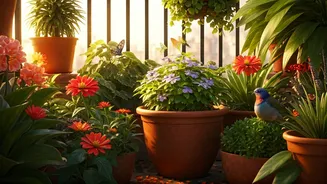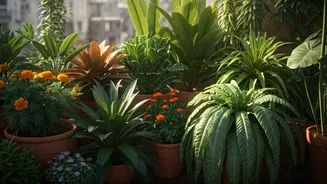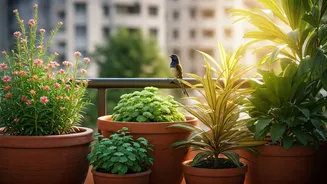





Why Go Native?
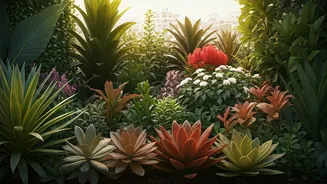
Before we dive into the plants, let's understand why choosing native species is a game-changer for your terrace garden. Native plants have evolved in our local climate over thousands of years. [32] This means they are naturally adapted to the soil, rainfall
patterns, and temperature extremes of the region. [26] As a result, they generally require less water, fewer fertilisers, and are more resistant to local pests and diseases. [26, 32] By planting native species, you not only create a beautiful garden for yourself but also provide essential food and shelter for local birds, bees, and butterflies, turning your balcony into a vital pocket of biodiversity. [4, 6, 31]
Parijat (Nyctanthes arbor-tristis)
Also known as Night-flowering Jasmine or Harsingar, Parijat is cherished for its intensely fragrant flowers that bloom at night and carpet the ground in the morning. [10, 13] It's a perfect 'thriller' plant for a terrace forest. Parijat thrives in containers and prefers a spot with 4-6 hours of sunlight, ideally morning sun. [11, 13] It grows well in well-draining soil and should be watered when the topsoil feels dry; overwatering is a common mistake. [10, 13] Beyond its beauty, this plant is steeped in cultural significance and is relatively easy to maintain, making it an excellent choice for beginner and experienced gardeners alike. [11, 18]
Shankhpushpi (Clitoria ternatea)
Commonly called Butterfly Pea or Aparajita, this fast-growing climber is a star performer. [36] Its striking, deep blue flowers are not only beautiful but are also used in herbal teas. [3, 28] Shankhpushpi loves a warm, sunny spot (at least 5-6 hours a day) and thrives in hot, humid weather. [25, 36] While it can be grown in a pot, it needs a trellis or string for support. [36] The soil should be well-draining, and you should water it 2-3 times a week, allowing the soil to get slightly dry between waterings. [25] Its ability to climb adds a wonderful vertical layer to your terrace forest. [23]
Curry Leaf (Murraya koenigii)
No Indian kitchen garden is complete without a Kadi Patta plant. This hardy, aromatic shrub is a staple in Indian cuisine and grows exceptionally well in pots. [7, 9, 12] It requires a sunny spot, needing at least 6 hours of sunlight to produce flavourful leaves. [15, 20] Use a well-draining potting mix, and for a young plant, a 6-8 inch pot is sufficient, moving to a larger one as it grows. [7] Water it regularly but ensure the pot has good drainage to prevent root rot. [9] Besides being an essential culinary herb, its lush green foliage makes a great 'filler' in your garden arrangement.
Indian Borage (Plectranthus amboinicus)
Often mistaken for Ajwain due to its distinct aroma, Indian Borage is a fleshy, succulent-like herb that is incredibly easy to grow. [14, 21] This pest-resistant plant is perfect for containers and is known for its medicinal properties, especially for coughs and colds. [21, 22] It thrives in bright sunlight but can tolerate partial shade. [29] Its leaves store water, so it's crucial to let the soil dry out between waterings to avoid rot. [29] Propagation is as simple as planting a stem cutting. [21] Its sprawling nature can create a lovely ground cover effect in larger pots.
Marigold (Tagetes erecta)
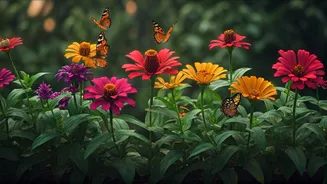
The ubiquitous Genda is more than just a festive flower; it's a hardworking member of any garden. These hardy annuals thrive in full sun and are adapted to Indian climates. [3, 27] They are known to attract pollinators like bees and butterflies, adding life and movement to your terrace. [4, 8] Marigolds also have pest-repellent properties, making them excellent companion plants. They are easy to grow from seed in well-draining soil and add a vibrant splash of yellow and orange, symbolizing a connection to nature and culture. [27]
Putting It All Together
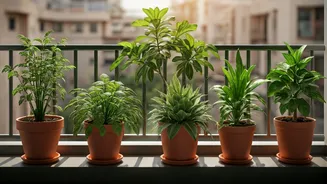
Creating a 'forest' is about more than just plants; it's about creating layers. [8] Use climbers like Shankhpushpi to create a green backdrop. Position taller shrubs like Parijat as your canopy layer. Fill the middle space with bushy plants like the Curry Leaf and Marigold. [23] Let Indian Borage spill over the edges of pots. Group plants with similar sunlight and water needs together. [3] Starting with just a few well-chosen native plants can transform your terrace into a self-sustaining, beautiful, and ecologically productive space. [4, 5]