





Tyres: Your First Line of Defence
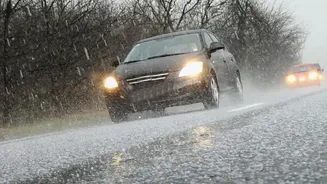
Your tyres are the only part of your vehicle in contact with the road, and their importance multiplies on wet surfaces. Before the rains intensify, check your tyre tread depth. A tyre with insufficient tread cannot channel water away effectively, leading
to a dangerous phenomenon called aquaplaning, where your car essentially skates on a film of water, losing all traction. Experts recommend a tread depth of at least 2-3 mm for monsoon safety. Also, check for cracks and maintain the correct tyre pressure, which you can find in your car’s manual or on a sticker inside the driver’s door. Under-inflated tyres can increase the risk of aquaplaning, while over-inflation reduces grip.
Brakes: Stopping Power is Crucial
Wet roads significantly increase your car's stopping distance. Brakes that feel fine on dry tarmac may not perform adequately when you need them most in a downpour. Moisture can reduce brake efficiency, so a pre-monsoon check is vital. If you hear any squealing sounds or feel vibrations when you brake, get the brake pads, discs, and fluid checked by a professional immediately. Old brake fluid can absorb moisture over time, reducing its effectiveness and potentially leading to brake failure.
Wipers & Vision: See and Be Seen
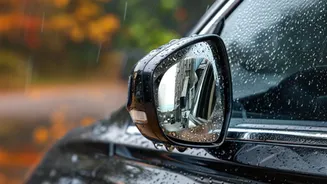
Visibility is one of the biggest challenges of monsoon driving. The harsh Indian summer heat often causes wiper blades to crack and harden. If your wipers leave streaks, judder, or squeal across the windshield, replace them. It's an inexpensive fix that is critical for safety. Top up your windshield washer fluid, preferably with a proper cleaning solution, not just water. Also, walk around your car and test all your lights: headlights (low and high beam), taillights, brake lights, and indicators. In heavy rain, your lights are essential for other drivers to see you.
Battery & Electricals: Avoid a Sudden Stop
High humidity and increased use of lights, wipers, and the defogger can put a strain on your car's battery. A weak battery is more likely to fail during the monsoon. Have its condition checked and ensure the terminals are clean and free of corrosion. Also, visually inspect for any frayed or exposed wiring. Water and faulty electronics are a dangerous mix that can lead to short circuits and breakdowns, leaving you stranded.
Body & Undercarriage: Guard Against Rust
The monsoon is brutal on your car's metal parts. Constant exposure to moisture, mud, and road grime can accelerate rust and corrosion, especially on the underbody. Consider getting a professional anti-rust coating for the undercarriage before the season starts. A good coat of wax on the car's body will create a protective layer, causing water to bead and roll off, which also helps prevent paint damage. Regularly washing your car, even during the monsoon, helps remove the mud and contaminants that trap moisture and cause corrosion.
Interiors: Keep it Dry and Mould-Free
Getting in and out of the car during a downpour inevitably brings moisture inside. Damp carpets and seats can lead to a musty odour and the growth of mould and bacteria. A simple solution is to swap your fabric floor mats for rubber or all-weather ones, which are easy to clean and dry. Check the rubber seals around your doors and windows for any cracks or leaks that could let water in. Using the AC can also help, as it dehumidifies the air inside the cabin and is essential for clearing a foggy windshield.
Build a Monsoon Emergency Kit
It’s wise to be prepared for the worst. A small emergency kit can be a lifesaver if you get stranded. Essential items include a tow rope, a powerful flashlight with extra batteries, a first-aid kit, jumper cables, and a tyre inflator. It's also a good idea to keep a couple of towels, an umbrella, and a power bank for your phone. Being prepared for long traffic jams caused by waterlogging is also smart, so keep some drinking water and non-perishable snacks handy.