







Why the Sudden Crackdown?
In August 2026, Karnataka's Food Safety and Drug Administration (FSDA) launched an intensive inspection drive across Bengaluru, targeting everything from five-star hotels and prominent clubs to local eateries and even government canteens. The push came
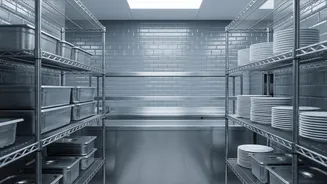
after numerous public complaints and social media reports about poor hygiene. The raids uncovered significant violations, including hundreds of kilograms of expired or rotten meat, fungal-growth on vegetables, cockroach infestations, and improper food storage. These findings confirmed that a higher price point does not always guarantee a safer meal, prompting officials to take wider, more decisive action to enforce existing food safety laws.
The Rules Every Restaurant Must Follow
The FSDA issued a detailed advisory reminding all food businesses of their legal obligations under the Food Safety and Standards Act. Key mandates include maintaining clean, well-ventilated kitchens with separate sinks for washing produce and utensils. Strict temperature controls are required: hot food must be kept above 60°C and cold food below 5°C. Cross-contamination must be prevented by using separate storage and preparation areas for vegetarian and non-vegetarian items. Furthermore, all food handlers must be medically fit, wear clean uniforms, head covers, and gloves, and receive proper training. Reusing cooking oil beyond permissible limits is also forbidden.
Decoding the Hygiene Rating System
The Food Safety and Standards Authority of India (FSSAI) has a voluntary 'Hygiene Rating' scheme that helps consumers identify compliant restaurants. This system grades establishments on a scale of one to five stars based on an audit of their practices, including food handling, premises cleanliness, pest control, water quality, and staff hygiene. While displaying this rating is not yet mandatory everywhere, a high rating is a strong indicator of a restaurant's commitment to safety. A recent survey showed that 65% of Bengaluru diners support making the public display of these ratings mandatory at restaurants and on food delivery apps.
Red Flags to Watch For Before You Order
As a diner, you are the first line of defence. Before settling in for a meal, take a moment to observe your surroundings. A dirty dining area, stained menus, or unclean washrooms are often signs of a neglected kitchen. Pay attention to the staff's appearance—are they wearing clean uniforms and handling food hygienically? Any unpleasant odours can also be a warning sign. According to a recent survey of Bengaluru diners, the most commonly witnessed violations include unhygienic food handling by staff, dirty dining areas or washrooms, and the reuse of cooking oil. Trust your instincts; if a place feels unclean, it probably is.
How to Report an Unhygienic Restaurant
If you encounter poor hygiene, expired food, or other violations, reporting it can protect other consumers. The Karnataka government recently launched an QR code-based grievance system, which should be displayed at eateries, allowing you to file a complaint directly. You can also use the FSSAI's 'Food Safety Connect' mobile app or its online portal (foscos.fssai.gov.in) to register a complaint. For immediate issues, you can try the FSSAI's toll-free number (1800-112-100) or contact the state's Food and Drug Administration. Having a bill and photographic evidence can make your complaint stronger.