






Ancient Wisdom for Modern Wellness
In today's fast-paced world, many are turning to natural and traditional methods to support their body's defences. The concept of boosting immunity isn't about finding a magic cure, but about creating a resilient internal environment. This is where ingredients
that have been trusted for centuries in Ayurveda come into play. Turmeric, ginger, and tulsi (holy basil) are three such powerhouses, each with a long history of use. When combined in a warm, soothing infusion, they offer a simple and effective way to integrate their benefits into your daily routine, complementing a healthy lifestyle that includes a balanced diet, regular exercise, and adequate sleep.
The Golden Power of Turmeric
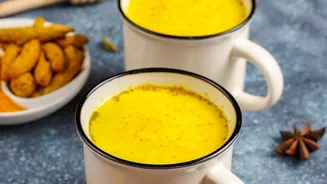
Turmeric, the vibrant yellow spice that is a staple in Indian cooking, owes many of its acclaimed properties to its active compound, curcumin. Scientific interest in curcumin has grown immensely, with studies exploring its potent anti-inflammatory and antioxidant effects. Inflammation is a natural bodily process, but chronic inflammation can contribute to various health issues. Curcumin may help manage this response. As an antioxidant, it helps protect the body from free radicals, unstable molecules that can cause cellular damage. Incorporating turmeric into an infusion is an easy way to consume it, and research suggests that adding a pinch of black pepper can significantly enhance the body's absorption of curcumin.
The Soothing Spice: Ginger
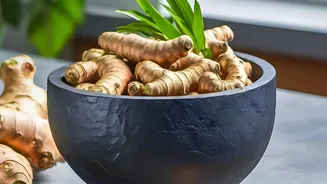
Ginger is another root that has been prized for both its culinary and medicinal qualities for thousands of years. Its primary bioactive compound is gingerol, which is responsible for much of its health-promoting potential, including its antioxidant and anti-inflammatory effects. Ginger is perhaps most famous for its ability to aid digestion and soothe nausea. A warm ginger infusion can help calm an upset stomach and promote efficient digestion by helping food move through the gut. It is also a go-to remedy for sore throats and coughs, with its warming properties providing comfort during seasonal illnesses. Regular consumption of ginger may contribute to overall wellness by supporting a healthy inflammatory response and digestive function.
The Sacred Leaf: Tulsi
Tulsi, or holy basil, is revered in India as 'The Queen of Herbs' and is considered a sacred plant with profound healing properties. It is classified as an adaptogen, which is a unique class of herbs that help the body adapt to physical, chemical, and emotional stress. Instead of just stimulating or suppressing bodily functions, adaptogens like tulsi help bring the body back into balance, or homeostasis. Traditionally, tulsi has been used to support the respiratory system, promote mental clarity, and enhance resilience. Modern research highlights its ability to modulate the immune system and its potential neuroprotective and antimicrobial properties. A daily cup of tulsi tea can be a calming ritual that helps manage the stresses of modern life.
Crafting Your Daily Wellness Infusion
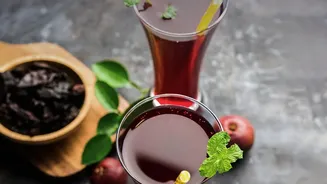
Making your own turmeric, ginger, and tulsi infusion is incredibly simple. You can use either fresh or dried ingredients, though fresh is often preferred for a more vibrant flavour. A basic recipe involves simmering water in a saucepan and adding the ingredients. For one or two cups, use about an inch of grated fresh ginger, a teaspoon of grated fresh turmeric (or half a teaspoon of powder), and a handful of fresh tulsi leaves. Let the mixture simmer for 5 to 10 minutes to allow the compounds to infuse into the water. Strain the tea into a mug. For added flavour and benefits, you can add a squeeze of lemon juice or a teaspoon of honey once the tea has cooled slightly. Remember to add a tiny pinch of black pepper to boost the turmeric's effectiveness. Feel free to adjust the quantities to your personal taste.