






A Health Scare in Maharashtra
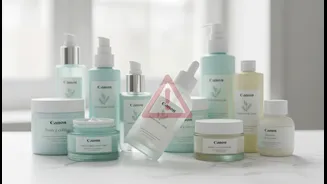
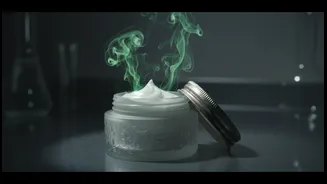
In early July 2026, the promise of glowing skin turned into a public health crisis in Maharashtra. The state's Food and Drug Administration (FDA) banned several widely sold skin-lightening creams after discovering they contained dangerous levels of mercury
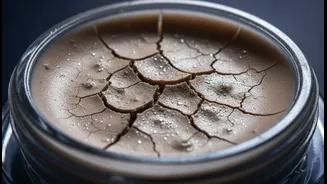
and lead. Products like Goree Beauty Cream, Face Fresh Gold, and Golden Star Beauty Cream were found to be 'Not of Standard Quality' and posed serious risks. The news became especially alarming after reports that at least 18 women in Nagpur developed kidney ailments after prolonged use of one of the creams, which they had purchased online. These creams, some illegally imported, promised fairness but delivered toxins that can cause irreversible damage to the kidneys and nervous system. This incident serves as a stark reminder that in the crowded beauty marketplace, not all that glitters is gold.
The Wild West of Online Shopping
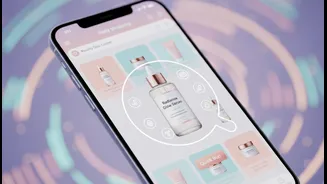
The Maharashtra crackdown highlighted a significant challenge for modern consumers: the risks lurking in the unregulated corners of e-commerce. Many of the dangerous products were sold through online platforms and social media, reaching customers without the usual checks and balances of traditional retail. These illicit sellers often provide products that lack mandatory information, such as the manufacturer's details, batch number, or a valid expiry date. Experts warn that consumers often wrongly assume that any product available online is safe and verified. The ease of access makes it tempting to click 'buy' on a product promising miraculous results at a low price, but the cost to your health could be immense. The onus is increasingly on the buyer to be vigilant, questioning the source and authenticity of every product they add to their digital cart.
The Rules Are Starting to Change
The good news is that regulators are taking notice. Beyond the state-level action in Maharashtra, national bodies are also tightening the screws on the beauty industry. In May 2026, India's top medical regulator, the CDSCO, issued a notice reinforcing the country's Cosmetics Rules. The clarification drew a firm line: cosmetics are for external use only and cannot be sold as injectable products. Furthermore, brands are prohibited from making medical or therapeutic claims—like promising to cure, treat, or prevent a disease—unless their product is approved as a drug. This move targets the misleading language and risky procedures sometimes seen in salons and clinics, which can blur the line between beautification and medical treatment. For consumers, this signals a shift towards a more transparent and accountable market, where safety standards are enforced more rigorously.
Rise of the Informed Beauty Consumer
The changing regulatory landscape is happening alongside a powerful shift in consumer attitudes. The Indian beauty shopper of 2026 is more informed, curious, and discerning than ever before. Trends show a clear movement away from simply chasing fairness and towards a more holistic goal of overall skin health. There's a growing demand for 'clean beauty' products with transparent ingredient lists and cruelty-free formulas. This new generation of buyers, driven by Gen Z and millennials, is leveraging social media and online resources to educate themselves about active ingredients like hyaluronic acid, niacinamide, and retinoids. They are looking for dermatologist-recommended brands and value clinical evidence over clever marketing. This rise of the 'skintellectual' is forcing brands to be more honest and innovative, creating a market that values substance over superficial promises.
Your New Smart Shopping Checklist
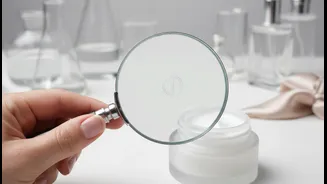
Navigating the new beauty landscape requires a new set of habits. To protect yourself and make empowered choices, here’s what to prepare for on your next shopping trip, whether online or offline. First, always read the full label. A legitimate product will clearly list all its ingredients, the manufacturer's name and address, a batch number, and manufacturing and expiry dates. Be immediately suspicious of any product that hides this information. Second, buy from trusted sources. Purchase from authorized retailers, official brand websites, or reputable e-commerce platforms with clear seller verification. Avoid unknown sellers on social media or websites offering suspiciously deep discounts. Third, be critical of claims. Products promising instant, permanent, or 'miraculous' transformations are almost always making scientifically unfounded claims. Healthy skincare is a journey, not an overnight fix. Finally, when in doubt, consult a professional. A qualified dermatologist can offer advice tailored to your skin type and concerns, helping you choose products that are both safe and effective.