
The Foundational Differences
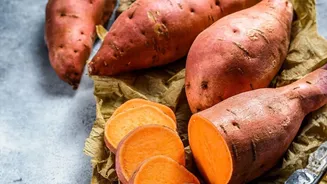
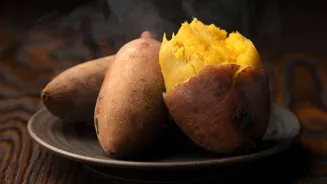
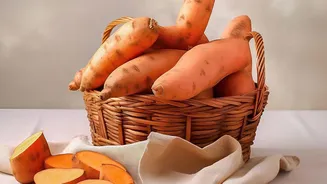
Before they even hit the oven, their composition sets the stage for different outcomes. A sweet potato is a tuber, a starchy storage root that grows underground. It’s dense all the way through. Butternut squash, botanically a fruit, grows on a vine and
has a hollow seed cavity at its base. This difference in origin hints at their primary textural distinction: density and moisture. Sweet potatoes are significantly starchier and contain less water, while butternut squash is more watery and less dense. This higher water content means butternut squash has less than half the calories of a sweet potato per cup.
Roasting: Caramelisation vs. Structure
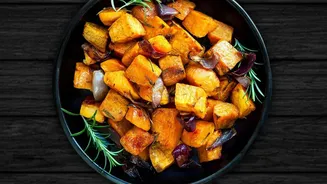
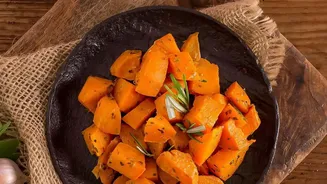
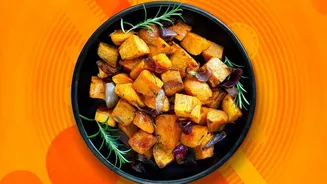
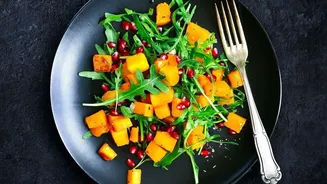
When roasted, both vegetables caramelise beautifully, but their textures diverge. Sweet potatoes, thanks to their high starch and sugar content, become dense, creamy, and soft. The edges can get wonderfully browned and slightly crisp. Butternut squash also sweetens, developing a nutty flavour, but its higher water content means it softens more quickly. While it roasts well, it tends to be softer and can collapse more easily than a sweet potato, which holds its shape better. For fries or wedges where structure is key, the starchy sweet potato is the clear winner; its lower water content allows it to crisp up in a way butternut squash cannot.
Boiling and Steaming: The Path to Purées
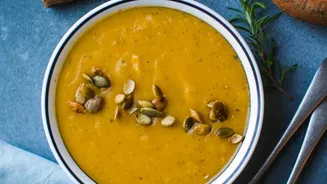
When boiled or steamed, the higher water content in butternut squash causes it to break down into a silky, smooth purée with relative ease. This makes it an ideal candidate for velvety soups where a luxurious, smooth consistency is the goal. A sweet potato, being denser and starchier, will require more effort and liquid to achieve a similar smoothness. When boiled and left in chunks for a salad or side dish, butternut squash can become waterlogged and mushy, whereas the firmer sweet potato is more likely to retain its shape and a pleasant, toothsome bite.
The Ultimate Mash Test
For a classic mash, your choice depends entirely on the desired result. A sweet potato mash will be thick, rich, and fluffy due to its starchiness. It holds its own and has a substantial, satisfying texture. A butternut squash mash, on the other hand, will be lighter, wetter, and much more smooth, almost like a thick purée. To make it thicker, you would need to cook out some of the excess moisture. If you’re looking for a low-calorie alternative, a butternut squash mash provides volume with fewer calories, but for a classic, hearty mash, the sweet potato is structurally superior.
In Soups, Stews, and Curries
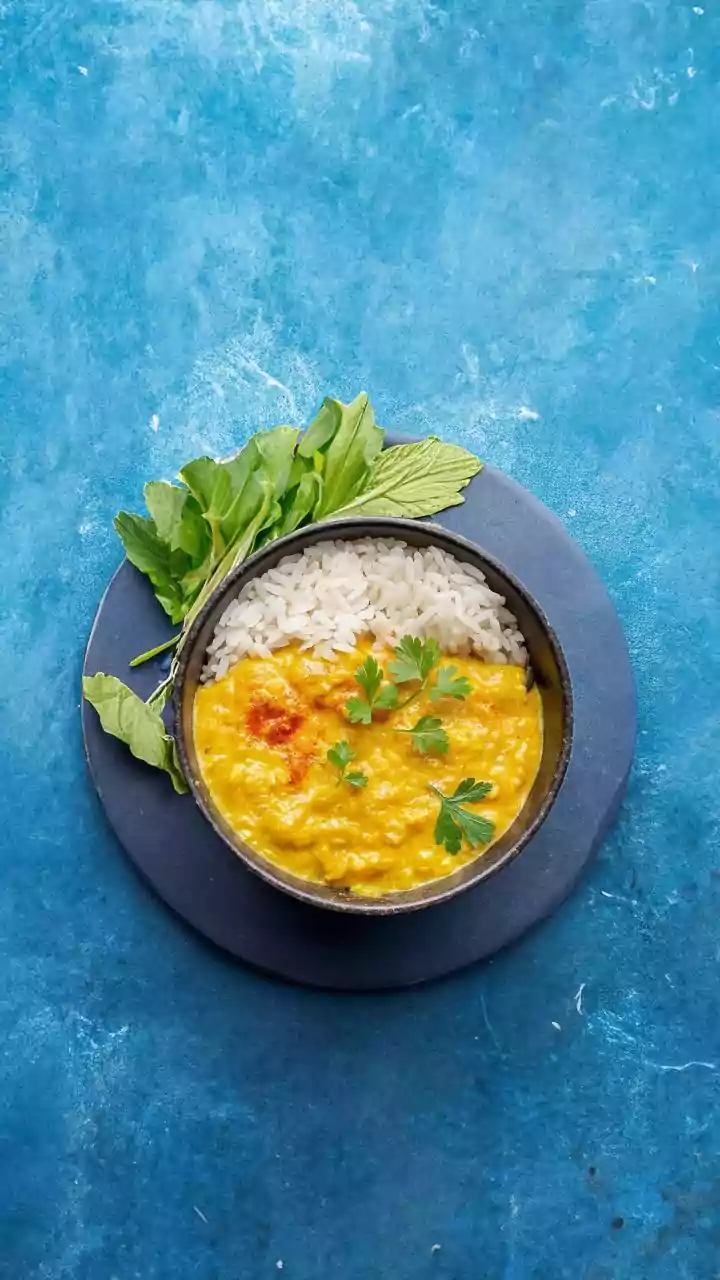
In a slow-cooked stew or a hearty curry where you want distinct chunks of vegetables, the sweet potato's ability to hold its shape is a major advantage. It will soften but largely remain intact, providing pleasant bites of texture. Butternut squash is more likely to break down and melt into the liquid, which can be a good thing if you want it to thicken the base and contribute to the overall flavour profile of the sauce. For a chunky vegetable soup, use sweet potato. For a dish where the vegetable should become one with the sauce, butternut squash is a perfect choice.