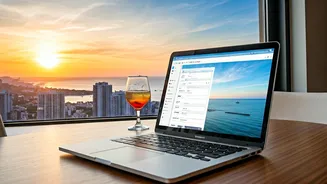









Beyond the Buzzword: What is 'Bleisure'?
At its core, 'bleisure' is the practice of blending business travel with leisure activities. It’s not a new concept, but its modern form is far more integrated than simply tacking a Saturday onto a Friday conference. Today’s bleisure trip might involve
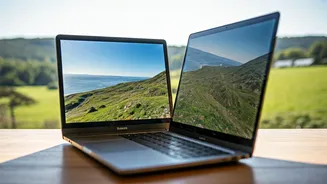
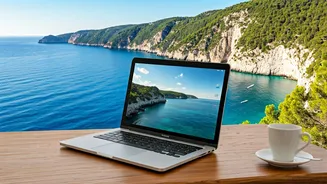
arriving a few days early to explore a city, or extending a stay to work remotely from a new location. For the traveler, the logic is simple and powerful: if the company is already paying for a flight to Denver or Austin, why not use the opportunity to hike the Rockies or explore the music scene on your own dime and time? This shift is fueled by the widespread adoption of flexible work policies. When 'work' is a laptop and a Wi-Fi connection, the office can be anywhere. This untethers employees from the traditional 'fly-in, fly-out' model, empowering them to see a required business trip not as an obligation, but as a launchpad for a personal adventure. It transforms the journey from a logistical hassle into a valuable life experience.
Why Solo Workers Are Leading the Charge
While families and couples might find it difficult to coordinate impromptu travel, solo workers have the autonomy to seize these opportunities. Unencumbered by school schedules or a partner's work commitments, they are uniquely positioned to embrace the spontaneity that bleisure requires. But the trend is about more than just logistics; it’s also a solution to a long-standing downside of corporate travel: loneliness. Solo business trips can be isolating affairs, marked by solitary dinners and quiet evenings in a hotel. By adding a leisure component, travelers can transform this potential downside into a fulfilling experience of self-discovery and connection. They can join a local food tour, take a pottery class, or simply spend an afternoon reading in a neighborhood cafe. It replaces the feeling of being a temporary corporate visitor with the enriching experience of being a temporary local. This transforms the entire emotional tenor of the trip, turning potential burnout into genuine rejuvenation.
The Employer's Side of the Equation
Initially, many companies viewed bleisure with skepticism, worried about liability, complex expense reports, and a perceived lack of focus. However, savvy organizations are now recognizing it as a strategic advantage in a competitive talent market. In an era where employees, especially younger ones, prioritize work-life balance and unique experiences, offering formal support for bleisure can be a powerful tool for recruitment and retention. Companies are finding that employees who take bleisure trips often return more refreshed, creative, and engaged than those who race back to the office. It’s a low-cost, high-impact perk. A clear policy that outlines expense separation (the flight is business, the extra hotel nights are personal) and duty of care responsibilities can mitigate risks. By embracing the trend, companies are not just accommodating a fad; they are investing in their employees' well-being, which ultimately pays dividends in loyalty and productivity.
The New Blueprint for a Work Trip
The bleisure trip of a solo professional looks fundamentally different from a standard vacation. The planning is pragmatic. It might mean booking a hotel that’s not just close to the convention center but also near a vibrant, walkable neighborhood. It involves packing for both boardrooms and hiking trails. The trip itself becomes a hybrid: intense days of professional focus are bookended by periods of personal exploration. Instead of just hitting the top tourist spots, these travelers often seek more authentic, local experiences that fit around a flexible work schedule. This could mean a sunrise run through a new city before a day of calls, working from a museum cafe in the afternoon, or using a weekend to take a short train ride to a nearby town. It's a move away from passive consumption and toward active participation, creating a travel experience that is both productive and deeply personal.