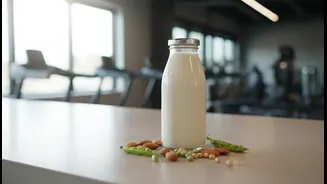







The New Post-Workout Ritual
The clatter of weights is followed by the whir of a blender or the vigorous shake of a bottle. For years, whey protein mixed with water or dairy milk was the undisputed king of post-exercise recovery. Today, a different kind of carton is taking its place.
From Mumbai to Bengaluru, fitness enthusiasts are increasingly reaching for plant-based milks specifically engineered to be high in protein. This trend is a fusion of multiple modern wellness philosophies: the move towards plant-centric diets, a growing awareness of protein's role in fitness, and a conscious consumerism that questions everything from ingredients to environmental impact. The shift is visible not just in gym bags, but also on the menus of health-focused cafes and the shelves of supermarkets in Tier-1 cities.
Not Your Average Almond Milk
This new wave of plant milks is distinct from the first generation of dairy alternatives. While standard almond or rice milk offered a solution for the lactose-intolerant, they often lacked significant nutritional value, particularly protein. Today’s high-protein variants are a different breed. Brands are fortifying their products or using naturally protein-rich sources like soybeans and yellow peas. For instance, a regular almond milk might contain just 1 gram of protein per cup, whereas a high-protein version, often boosted with soy or pea protein, can deliver over 10 grams. Some high-protein soy milks now offer more than 13 grams per cup, rivaling and even surpassing the protein content of traditional dairy milk, which typically contains around 8 grams.
The Science of a Plant-Powered Recovery
Why the obsession with protein? For anyone engaged in regular physical activity, protein is the essential building block for muscle repair and growth. After a workout, muscles are primed to absorb amino acids—the components of protein—to rebuild damaged fibres and grow stronger. Plant proteins, particularly from sources like soy and pea, provide a complete or near-complete amino acid profile necessary to stimulate this muscle protein synthesis. Studies have shown that consuming 20-25 grams of a quality plant protein isolate can trigger muscle repair at rates comparable to animal-based proteins like whey. Furthermore, many users find plant-based options easier to digest, avoiding the bloating and discomfort sometimes associated with lactose in dairy products.
The 'Clean Eating' and Ethical Appeal
The trend isn't just about grams of protein; it's also about a holistic approach to health. Urban fitness communities are often at the forefront of the 'clean eating' movement, which prioritizes whole, unprocessed foods. Plant-based milks, especially those with no added sugar or cholesterol, fit perfectly into this narrative. Beyond personal health, there are growing ethical and environmental considerations. Concerns about the carbon footprint of dairy farming and animal welfare are encouraging more people to explore alternatives. With a significant portion of Indians already identifying as vegetarian, the cultural groundwork for adopting plant-based nutrition is well-established, making the switch to a high-protein plant milk feel like a natural extension rather than a radical change.
Making the Smart Choice
As the market expands, navigating the options requires a discerning eye. Not all plant milks are created equal. Fitness-conscious consumers are learning to read labels carefully. The key is to look for the protein source—soy and pea are currently the most robust options. It's also important to check the sugar content, as some flavoured varieties can contain significant amounts of added sugars that can counteract fitness goals. Fortification is another crucial factor; many brands add essential nutrients like calcium, vitamin D, and vitamin B12 to mimic the profile of dairy milk, making them a more complete nutritional choice. Blended plant proteins are also emerging as a way to create a more balanced amino acid profile and better taste.