




The Grand Trunk Road: A Feast of Empires
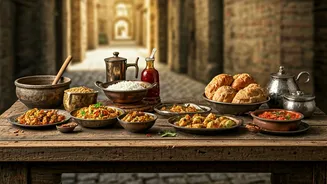
Stretching from Bengal to Punjab and beyond, the Grand Trunk Road is less a road and more a river of history. For centuries, it has been the artery for armies, traders, and pilgrims, each leaving an indelible mark on its culture and, most deliciously,
its cuisine. A journey along this path is a masterclass in North Indian food history. In Punjab, the dhabas that line the highway are legendary. Here, you’ll find the creamiest dal makhani, slow-cooked for hours, and tandoori chicken with a smoky char that speaks of its Persian origins. As you move towards Delhi and Uttar Pradesh, the foodscape shifts to reflect its Mughal past. Seek out succulent kakori kebabs that melt in your mouth, a testament to the refined tastes of Awadhi royalty, or a rich bowl of nihari, a slow-cooked meat stew once consumed by Mughal emperors at dawn. Every meal is a history lesson, connecting you to the very soul of the land.
The Spice Route: Kerala's Coastal Bounty
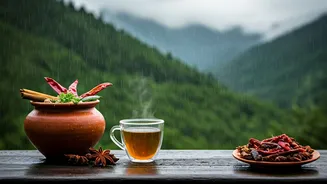
Long before maps were drawn, the winds guided traders from Arabia, Rome, and Portugal to the shores of Kerala in search of one thing: spices. This ancient maritime Spice Route transformed the region into a global trade hub and created a cuisine that is complex, fragrant, and utterly unique. Travelling this coastal path today is a journey for the senses. The air is thick with the scent of cardamom, cloves, and black pepper—the “black gold” that started it all. The food is a celebration of the coast's bounty. Start your day with fluffy appams, bowl-shaped rice pancakes, served with a delicately spiced vegetable or chicken stew, a dish influenced by Syrian Christian settlers. For lunch, a traditional sadhya served on a banana leaf offers a vibrant mosaic of flavours, from tangy pickles to coconut-infused vegetables. And no trip is complete without tasting Malabar biryani, where fragrant rice and tender meat are layered with spices, a gift from the Arab traders who once frequented these ports.
The Royal Path: Rajasthan's Warrior Cuisine
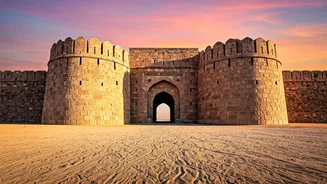
The heritage routes crisscrossing Rajasthan are pathways of courage, chivalry, and survival. This is the land of warrior kings, and its food is a direct reflection of its harsh desert climate and martial history. The cuisine was designed for longevity and sustenance in a land where water is scarce and fresh vegetables are a luxury. The most iconic dish, Dal Baati Churma, is a perfect example. Hard, unleavened wheat balls (baati) are roasted over coals and served with a rich lentil curry (dal) and a sweet, crumbled wheat dessert (churma). It's a hearty, wholesome meal that could sustain a soldier for days. Then there is the legendary Laal Maas, or “red meat,” a fiery mutton curry made with a host of spices and a generous amount of red chillies. Its intense heat was said to mask the gamy flavour of hunted meat and warm the body during cold desert nights. Eating these dishes is not just about tasting food; it's about understanding the resilience and ingenuity of the Rajput spirit.
The Coromandel Coast: A Blend of Traditions
The ancient trading route along the Coromandel Coast, from Tamil Nadu to Andhra Pradesh, is a melting pot where Dravidian traditions met European colonial ambitions. The French in Puducherry, the Dutch in Pulicat, and the British in Madras (now Chennai) all left their mark, creating a fascinating culinary fusion. In Chettinad, the ancestral home of a wealthy trading community, the cuisine is famously fiery and aromatic. Dishes like Chicken Chettinad are complex, using freshly ground masalas with exotic spices like star anise and kalpasi (stone flower). Further down the coast in Puducherry, you'll find a unique blend of Tamil and French cooking. A classic example is Meen Puyabaisse, a local take on the French fish stew bouillabaisse, made with coconut milk and regional spices. This route shows how food adapts, absorbs, and evolves, creating new traditions while honouring old ones. Each bite tells a story of trade, conquest, and cultural exchange.