



The Southern Staples: Steamed, Fermented, and Wholesome
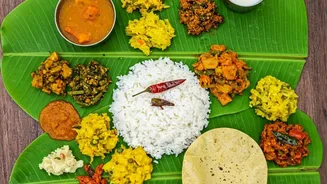
South India’s breakfast table is a masterclass in using rice and lentils. In Kerala, the star is often puttu, a cylindrical steamed cake of rice flour and coconut. Paired with kadala curry, a spiced black chickpea gravy, it is a perfect example of how
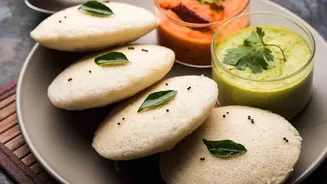
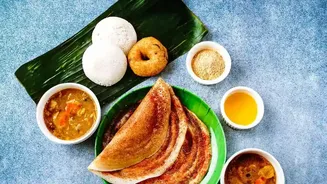
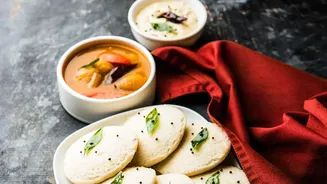
the region's food is deeply connected to its agricultural history of rice and coconut cultivation. Further east in Andhra Pradesh, the pesarattu offers a different take. This green-hued, crepe-like dosa is made from whole green moong dal, making it a protein-rich start to the day that requires no fermentation. Often served with a ginger chutney, it reflects a cuisine that is both hearty and mindful of its ingredients. These dishes, along with classics like idli and dosa, teach us how a few core ingredients can be transformed through techniques like steaming and fermentation to create light yet energizing meals ideal for a warmer climate.
The Western Twist: Savoury, Sweet, and Ingenious
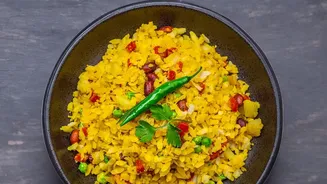
Travel west, and the breakfast palate shifts. In Maharashtra, poha reigns supreme. Made from flattened rice, this dish is a quick, nutritious meal originally favoured by farm workers. Its journey saw it travel to Madhya Pradesh, where in Indore it was adapted with local additions like jeeravan masala and the crunchy texture of sev. The combination of soft, steamed poha with crisp toppings showcases a love for textural contrast. In neighbouring Gujarat, breakfast often plays with sweet and savoury notes. Dishes like dhokla, a steamed and spongy cake made from fermented batter, and fafda, a crunchy chickpea flour snack, are morning staples. These dishes highlight the region's reliance on chickpea flour and clever cooking methods that yield incredible flavour and texture with minimal resources.
The Hearty North: Wheat, Ghee, and Rich Flavours
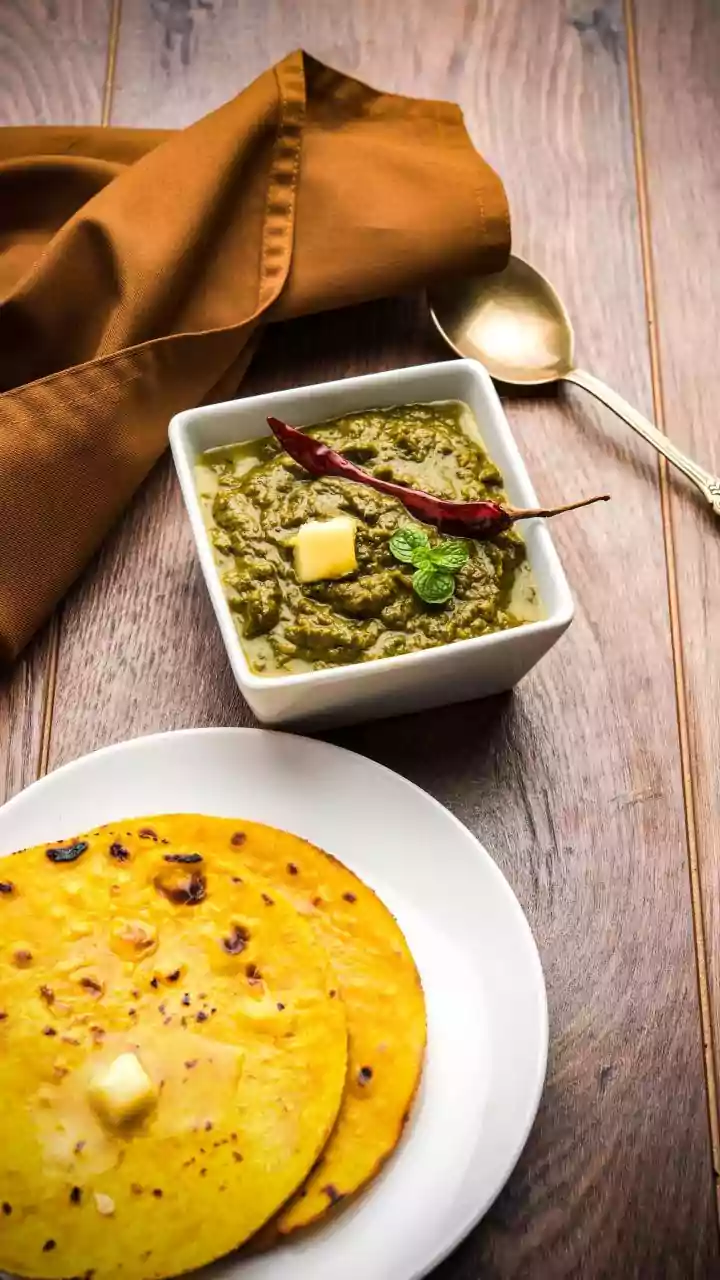
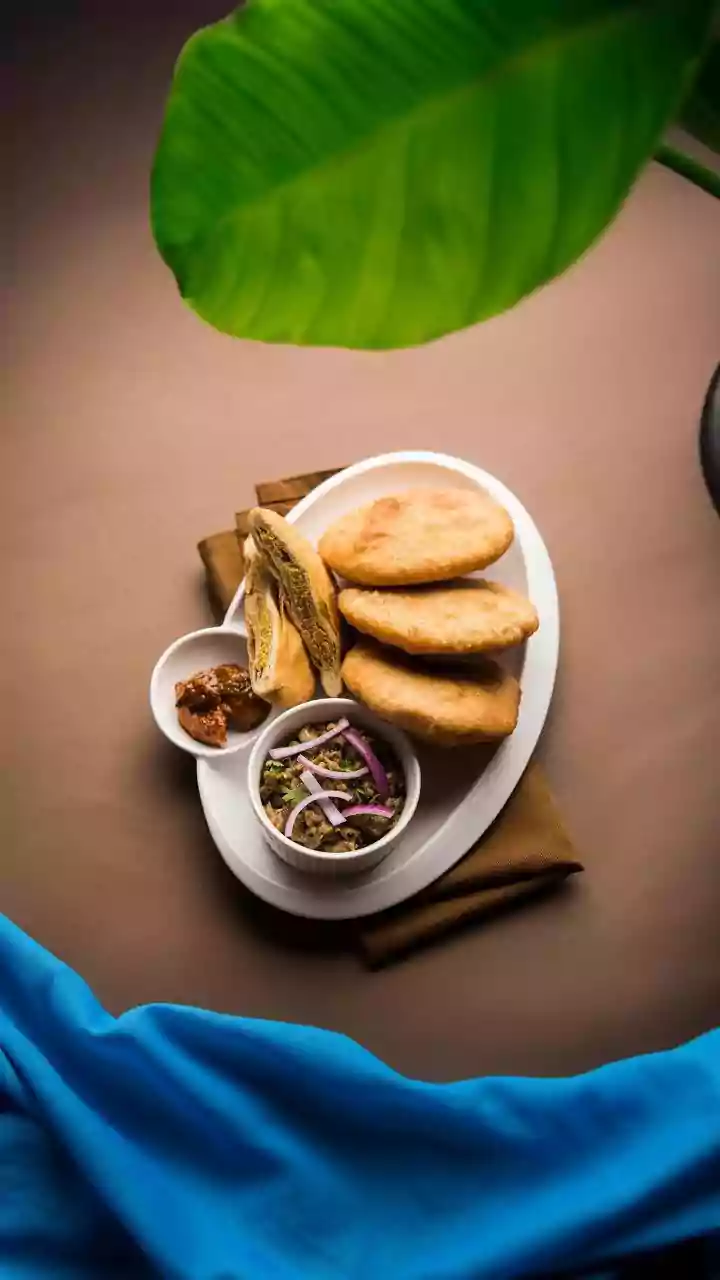
The fertile plains of North India, known as the country's wheat belt, naturally feature bread-heavy breakfasts. In Punjab, the day often begins with stuffed parathas—flaky, pan-fried flatbreads filled with everything from spiced potatoes (aloo) to grated radish (mooli), served with a dollop of fresh curd or butter. This is food designed to provide lasting energy for a day of hard work. In cities like Delhi and across Uttar Pradesh, you might find bedmi poori with aloo sabzi, a meal of fluffy, deep-fried bread made with ground lentils, accompanied by a spicy potato curry. These hearty, flavour-packed breakfasts are a testament to the region's agricultural abundance and historical influences, offering warmth and satisfaction in equal measure.
The Eastern Delights: Subtle, Satisfying, and Celebratory
In West Bengal, a weekend breakfast often means luchi and alur dom. The luchi, a deep-fried, puffy bread made from refined flour, is characteristically white and tender, a delightful contrast to the whole-wheat puri found elsewhere. It is traditionally paired with a gently spiced potato curry, creating a combination that feels both comforting and celebratory. Further east in Assam, the concept of 'jolpaan' provides a different kind of breakfast experience. It's often a no-cook meal consisting of various forms of rice—like flattened (chira) or puffed (muri)—mixed with curd and jaggery. This tradition highlights the diversity of indigenous rice varieties and offers a simpler, lighter start to the day that is deeply rooted in the local agrarian way of life.
The Northeast Frontier: Local, Foraged, and Unique
The breakfast traditions of Northeast India are perhaps the most distinct, reflecting the region's incredible biodiversity and tribal cultures. In Arunachal Pradesh, a tribe might start the day with a millet slurry or flatbread, or a buckwheat pancake known as khura, served with yak milk butter tea. In Meghalaya, one might find putharo, a pancake made from rice flour, jaggery, and coconut, baked in an earthen pot and served with a savoury pork curry. Manipur offers Tan, a flatbread resembling a puri, often eaten with a simple potato curry. These meals are a direct reflection of the immediate environment, utilizing locally grown grains like millet and buckwheat, foraged ingredients, and cooking methods passed down through generations. They teach us that culinary diversity isn't just about different spices, but about a fundamentally different relationship with the land.