

What Are Pulses?
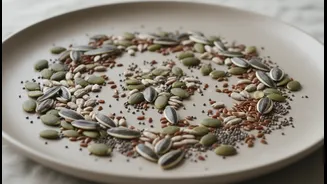
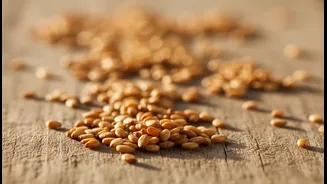
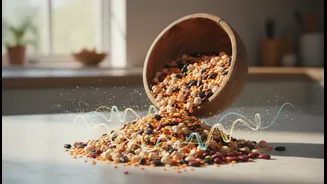
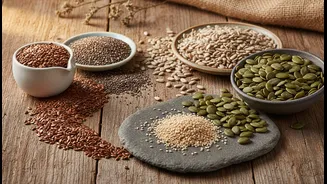
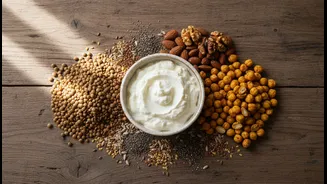
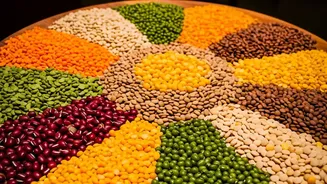
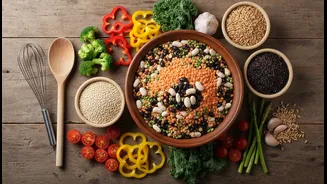
Pulses are the edible dried seeds of legume plants. This food group includes a wide variety of staples found in cuisines all over the world, such as lentils, chickpeas (garbanzo beans), dry peas, and all types of dried beans like kidney beans, black beans, and pinto
beans. They are known for being inexpensive, having a long shelf life, and being incredibly versatile in the kitchen. Unlike fresh legumes like green peas, pulses are harvested when dry, making them a pantry essential you can rely on year-round.
A Nutritional Powerhouse
Don't let their humble appearance fool you; pulses are packed with nutritional benefits. They are an excellent source of plant-based protein and are exceptionally high in dietary fibre. Just one portion can provide about a third of the fibre you need for the entire day. This combination of protein and fibre helps you feel fuller for longer, as they are digested slowly. Pulses are also rich in essential vitamins and minerals, including folate, iron, zinc, and magnesium, nutrients that many people can fall short on. Furthermore, they are naturally low in fat and contain no cholesterol.
Why You Should Make the Swap
The reason for swapping in pulses often comes down to what you are swapping out. Diets high in refined carbohydrates—like white bread, white rice, and sugary snacks—can cause rapid spikes in blood sugar, followed by energy crashes. Pulses, on the other hand, have a low glycaemic index, meaning they release energy slowly and help maintain stable blood sugar levels. Similarly, reducing high-saturated-fat foods, commonly found in fatty cuts of meat and full-fat dairy, is recommended for heart health. Eating too much saturated fat can raise LDL or "bad" cholesterol levels, increasing the risk for heart disease. Pulses offer a naturally low-fat alternative that actively benefits cardiovascular health by helping to lower cholesterol.
Swap This: Refined Grains for Pulses
One of the easiest ways to incorporate pulses is by substituting them for refined grains. Instead of a salad based on white pasta, try a hearty lentil or chickpea salad. You can also reduce the amount of white rice in a meal by serving it alongside a portion of dal or by mixing cooked chickpeas directly into your grain bowl. Because pulses are rich in fibre and protein, this swap not only lowers the meal's overall glycaemic index but also makes it more filling and nutritionally dense. Even swapping wheat flour for chickpea flour in some baked goods can boost protein and fibre content.
Swap This: High-Fat Meats for Pulses
Pulses are a classic and effective substitute for meat, particularly minced meat. You can easily reduce the saturated fat in dishes like tacos, burgers, or bolognese sauce by replacing half of the ground meat with cooked lentils or mashed black beans. Brown or green lentils hold their shape well and mimic the texture of ground beef. A good rule of thumb is to substitute one cup of dried lentils for one pound of ground meat. For dishes that use chicken, coarsely mashed chickpeas can provide a similar texture and are excellent in salads or fillings.
Swap This: Creamy Sauces and Dips
For creamy textures in soups, sauces, and dips, it's common to reach for high-fat ingredients like cream or mayonnaise. Pulses offer a healthier solution. Pureed white beans, like cannellini beans, can create a wonderfully creamy base for soups and pasta sauces with almost no fat. Homemade hummus, made from blended chickpeas, is a simple and flavourful replacement for mayonnaise on sandwiches or as a dip for vegetables. This not only cuts down on saturated fat and calories but also adds a significant boost of fibre and protein to your meal.
Getting Started Is Simple
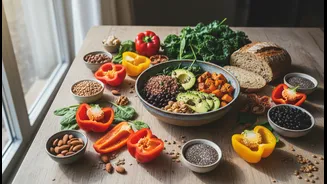
Adopting more pulses into your diet doesn't require a complete overhaul. Start small. Add a can of rinsed kidney beans to your favourite chilli or toss a handful of chickpeas into a leafy green salad. Try a lentil-based soup for lunch once a week. Buying tinned beans and lentils is a convenient way to begin, as they are pre-cooked and ready to use; just be sure to choose options with no added salt. As you get more comfortable, you can explore cooking with dried pulses, which is even more economical.