





What Exactly Is Creatine?
Before thinking of it as just another tub of powder, it's important to know that creatine is a naturally occurring compound your body already produces from amino acids. It's made in the liver, kidneys, and pancreas, and the vast majority is stored directly
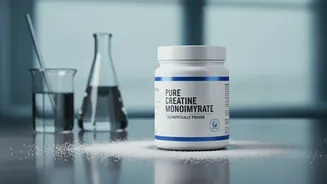
in your skeletal muscles. You also get small amounts of it from foods like red meat and fish. The supplement form, most commonly creatine monohydrate, is simply a way to increase these natural stores. It is one of the most extensively researched supplements for athletic performance, valued for its effectiveness and strong safety profile.
Your Body's 'Instant Recharge' System
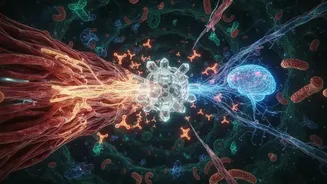
To understand how creatine works, we need to talk about your body's primary energy currency: adenosine triphosphate, or ATP. During short, explosive movements like a heavy squat or a sprint, your muscles use ATP for fuel. The problem is, your muscles only store enough ATP for a few seconds of maximum effort. Once it's used, ATP becomes adenosine diphosphate (ADP), which is like a drained battery. This is where creatine's stored form, phosphocreatine (PCr), steps in. PCr rapidly donates its phosphate molecule to ADP, instantly recharging it back into usable ATP. This entire process is called the ATP-PC system, and it's your body's fastest way to generate energy for high-intensity efforts.
Faster Recovery Between Your Sets
The headline's claim hinges entirely on that rapid ATP regeneration. When you supplement with creatine, you increase the amount of phosphocreatine stored in your muscles. A larger reservoir of PCr means your body can convert that useless ADP back into powerful ATP much more quickly during your rest periods between sets. This enhanced recovery of your immediate energy supply is what helps you feel stronger and more prepared for your next heavy lift. Instead of feeling your strength dramatically drop off from one set to the next, you're able to maintain a higher quality of effort for more of your workout. This can translate into performing an extra repetition or two, which, over time, contributes to greater strength and muscle gains.
Beyond Energy: Other Recovery Benefits
While faster ATP regeneration is the main driver for intra-workout recovery, creatine helps in other ways, too. It draws water into muscle cells, a process called cellular hydration. Well-hydrated cells not only function more efficiently but are also more resilient to exercise-induced damage. Some studies also suggest that creatine supplementation can help reduce markers of muscle damage and inflammation following intense exercise. By helping to mitigate this damage and supporting cellular health, creatine contributes to a better overall recovery process, reducing some of the soreness that can follow a tough session.
How to Use It for Best Results
The science is clear, and so is the application: consistency is key. The standard, effective dose is 3-5 grams of creatine monohydrate per day. Some people choose to start with a "loading phase"—taking around 20 grams per day for 5-7 days, split into smaller doses—to saturate their muscles more quickly. However, this isn't necessary; a consistent 3-5 gram daily dose will achieve the same full saturation in about three to four weeks. Since the goal is to keep your muscle stores topped up, you should take it every day, including on your rest days. The specific timing (before or after a workout) is less important than the daily consistency.