






Modern travel is evolving. Today's adventurers seek more than just sights; they crave connection and authenticity. A powerful trend is emerging where the dinner table becomes the destination, with homestays offering a delicious gateway to local culture.
Beyond the Buffet: A Taste of 'Ghar ka Khaana'
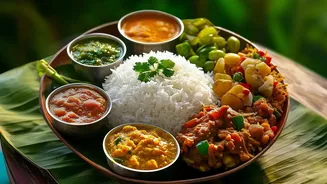
For years, the traveller's food experience was often limited to restaurant menus or hotel buffets that offered a standardised, often generic, version of Indian food. But a quiet revolution is taking place in the kitchens of family homes across the country. Homestays are changing the way we eat when we travel, offering something restaurants rarely can: authentic, home-cooked meals, or 'ghar ka khaana'. Unlike a commercial kitchen, a homestay meal is prepared by the family, often using generational recipes and locally sourced ingredients. This isn't just about food; it's an invitation to experience a region’s culinary soul, one lovingly prepared dish at a time. Travellers are increasingly choosing these stays to get a genuine taste of a place, moving away from predictable menus and towards memorable, personal dining experiences.
From Farm to Table, Region by Region
India’s culinary landscape is incredibly diverse, with flavours and techniques changing every few hundred kilometres. Homestays act as intimate showrooms for this variety. In a Keralan homestay, you might taste a Syrian Christian fish curry made with freshly ground spices, a dish you'd be hard-pressed to find in a typical hotel. In Rajasthan, a host family might share their version of 'gatte ki sabzi' or a family recipe for 'laal maas'. Up in the mountains of Himachal, you could be treated to 'siddu', a steamed bread made with local fillings, a comforting dish born from a cold climate. Many homestays, from organic farms in Sikkim to spice plantations in Goa, use produce grown right on their property, offering a true farm-to-table experience that supports local farmers and sustainable practices.
More Than a Meal: A Recipe for Connection
The true magic of the homestay food experience lies in the cultural exchange that happens around the dining table. It goes beyond simply eating. Many hosts are passionate about their food heritage and are eager to share it with guests. This can lead to informal cooking lessons where you learn the secret to a perfect tadka, or a morning spent visiting the local market with your host to pick out fresh vegetables. These interactions provide a deeper context to the food, transforming a meal into a story about family, tradition, and the local way of life. It’s an immersive experience that allows travellers to participate in the culture, not just observe it from a distance.
The Rise of the Culinary Traveller
This shift towards homestay dining is part of a larger trend in culinary tourism. A significant number of Indian travellers now select their destinations based on food. They are seeking unique tastes and authentic culinary stories that go beyond well known dishes like butter chicken and biryani. Homestays are perfectly positioned to meet this demand. They offer a front row seat to hyper regional cuisines—dishes that may have been considered too humble or complex for commercial restaurants but are rich in flavour and history. By choosing a homestay, travellers are not just booking a room; they are booking an experience, signalling a desire to connect with a place in the most fundamental and delicious way possible.