







Ever wonder where butterflies disappear during a heavy monsoon? The answer reveals a fascinating story about weather, survival, and the delicate balance of our urban ecosystems, connecting insect flight to the feeding habits of birds.
Rain's Reality for Winged Insects
For delicate insects
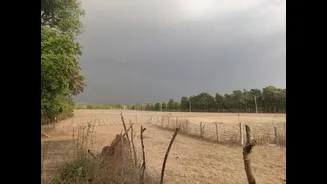
like butterflies, a heavy monsoon downpour is a significant threat. Each raindrop can be immensely heavy relative to their body mass, making flight difficult or impossible. A strong shower can damage their fragile wings, wash away the nectar they feed on, and force them to seek shelter under leaves and in crevices, effectively grounding them. During intense rainfall, the world becomes a hazardous place, and their primary survival instinct is to hide and wait for the storm to pass. This forced inactivity means less time for crucial activities like feeding and mating. Consequently, periods of heavy, continuous rain often lead to a noticeable drop in the number of butterflies you might see fluttering through a city park or garden.
The Power of Sunlight
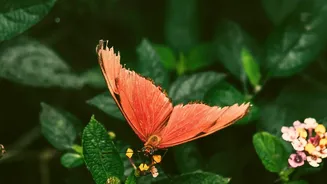
Butterflies and many other insects are ectothermic, meaning they rely on external heat sources to regulate their body temperature. To fly effectively, they need to warm up their flight muscles, and their primary tool for this is sunlight. They will often bask, angling their wings to absorb as much solar energy as possible. A season with decreased monsoon rains translates directly into more hours of sunshine and higher ambient temperatures. This allows butterflies to warm up faster and remain active for longer periods throughout the day. More time in the air means more opportunities to find food and reproduce, leading to a visible boom in their population and activity levels. In essence, less rain creates the perfect thermal conditions for these insects to thrive.
An Unexpected Feast for Birds
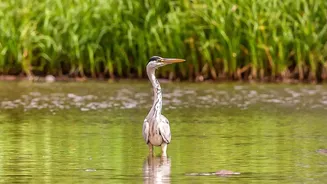
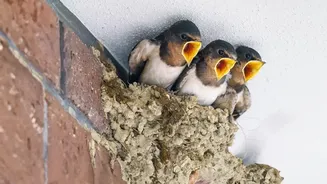
This increase in insect activity does not go unnoticed. For urban birds, a sky full of active butterflies and other insects represents a readily available buffet. During heavy rains, the foraging activity of many birds decreases. It’s harder to hunt, and many of their typical prey are in hiding. However, when the rains are weaker and insects are more abundant and active, birds can take full advantage. Species that rely on catching insects mid-air, like swallows, or those that pick them from leaves, find their hunting grounds suddenly restocked. This shift in prey availability can alter the birds' feeding patterns. Instead of spending more energy searching for worms in damp soil, they can focus on the bounty of airborne insects. The increased flight of butterflies directly impacts the predator-prey dynamics of the urban ecosystem.
The Delicate Urban Ecosystem
The connection between rainfall, butterflies, and birds is a perfect example of the intricate links within our urban ecosystems. Seemingly small changes in weather patterns can have cascading effects on local wildlife. A weaker monsoon might be a concern for our water reserves, but for certain species, it creates a window of opportunity. It highlights the resilience and adaptability of nature, but also its sensitivity. As climate patterns continue to shift, observing these relationships becomes increasingly important. It reminds us that our cities are not just concrete jungles; they are living environments where birds, insects, and plants are in a constant, delicate dance with the elements. Paying attention to which butterflies are active and how local birds are behaving can offer valuable clues about the health of our shared environment.