



Embrace the Power of Sprouts
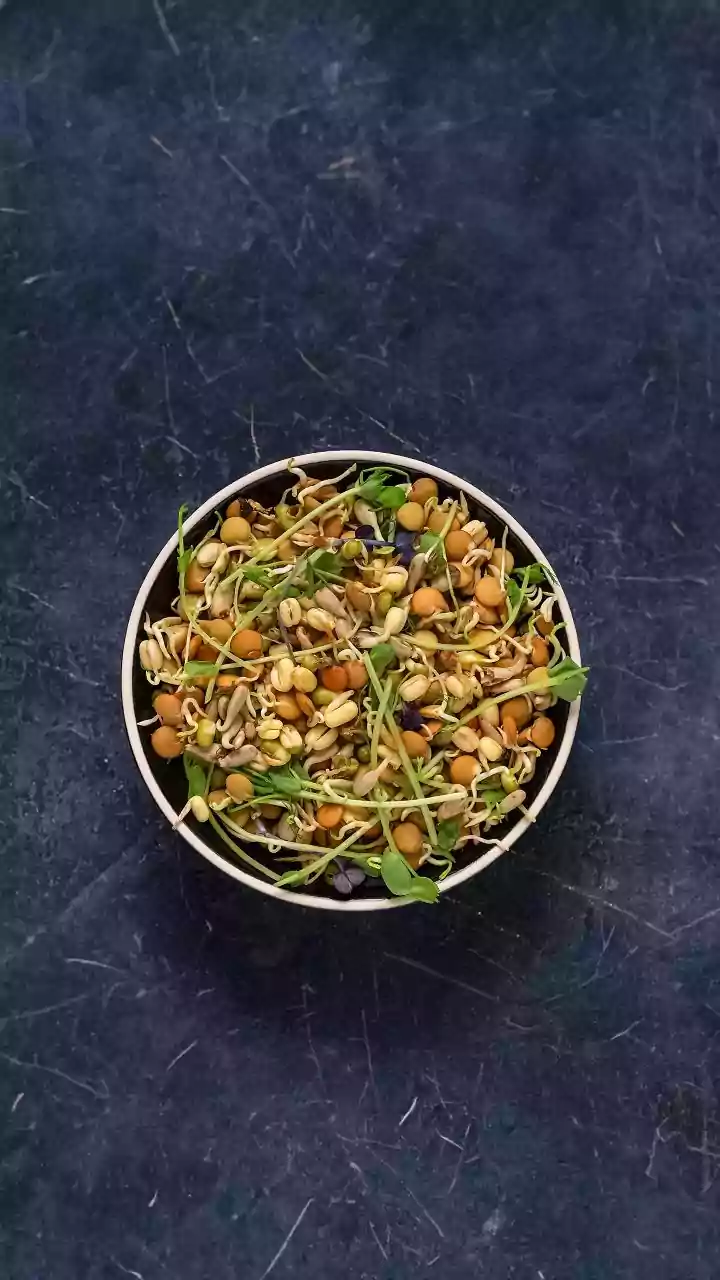
Sprouted legumes are a cornerstone of healthy Indian eating, and for good reason. The sprouting process not only increases the protein content but also makes the nutrients easier to absorb. Moong bean sprouts are particularly popular and incredibly versatile.
A simple stir-fry with moong sprouts, onions, tomatoes, and a few spices like turmeric and cumin makes for a quick and protein-packed meal. This 'sabzi' or vegetable dish can be enjoyed with roti or as a standalone light lunch. You can also enjoy them raw in a refreshing 'koshimbir' (salad) with chopped cucumber, tomatoes, coriander, and a squeeze of lime. For something more substantial, moong sprouts can even be ground into a paste and formed into tikkis or patties.
Rethink the Patty with Chana Tikki
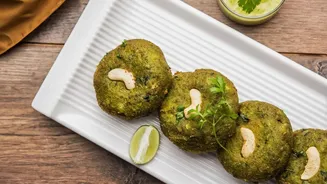
Forget dry, uninspired veggie burgers. The Indian 'tikki', or cutlet, is a masterclass in turning legumes into flavourful, satisfying patties. Chana tikki, made from chickpeas, is a perfect example. Cooked chickpeas are mashed with ginger, garlic, onions, and an array of spices like chaat masala and coriander powder before being shaped and shallow-fried until golden. The result is a patty with a crispy exterior and a soft, savoury interior that bursts with flavour. These can be served as a snack with mint chutney, tucked into a wrap for a filling lunch, or served alongside a chickpea curry, a popular street-food combination known as 'chhole tikki'. They are a fantastic way to utilize chickpeas for a hearty, protein-rich meal.
Flip Some Savory Pancakes (Cheela)
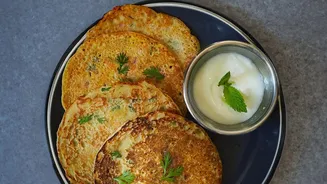
Before protein pancakes became a global fitness trend, Indian kitchens were whipping up 'cheelas'. These savoury pancakes are typically made from a batter of ground lentils or chickpea flour (besan) and are naturally gluten-free and high in protein. Besan cheela is perhaps the most common variety; a simple batter of besan, water, turmeric, ajwain (carom seeds), and salt is whisked together and can be customized with finely chopped onions, tomatoes, and coriander. Moong dal cheela, made from soaked and ground yellow moong lentils, offers a different texture and is equally nutritious. Often called a 'vegetarian omelet', a cheela is cooked on a pan until golden and can be enjoyed for breakfast or as a light supper. For an extra protein hit, you can add crumbled paneer or tofu to the batter or as a filling.
Discover Hearty, Unconventional Dals
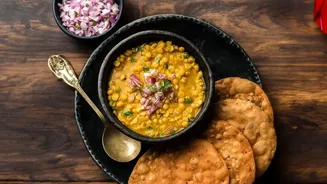
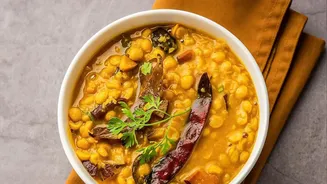
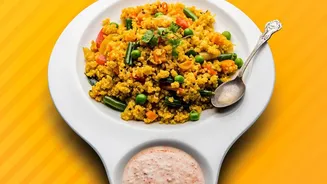
While a simple dal is a daily staple, Indian cuisine features countless regional variations that elevate lentils to new heights. Instead of a single lentil, try a mixed dal khichdi, which combines moong dal, masoor dal, and rice for a complete protein profile in one comforting pot. For another level of flavour, explore recipes for 'dal makhani' (a creamy dish made with black lentils and kidney beans) or Gujarati wedding-style curries that often feature field beans (vaal). Soya chunks, a powerhouse of plant protein, can be used to create a vegetarian 'keema' (mince) curry that is both hearty and nutritious. These dishes demonstrate how lentils and legumes can be slow-cooked with complex spices to create deeply satisfying main courses.
Level Up Your Legume Curries
Standard dishes like rajma (kidney bean curry) and chana masala (chickpea curry) are beloved for a reason, but they also serve as a great base for innovation. You can boost the protein and satisfaction of a rajma curry by serving it alongside a quick stir-fry of paneer and bell peppers. Likewise, a simple chana masala can be enhanced with the addition of spinach or other vegetables, adding nutrients and texture. Tofu, a versatile plant protein, can be cubed and added to spinach curry ('palak') for a vegan-friendly take on the classic palak paneer. These additions not only increase the protein content but also add new layers of flavour and texture to familiar comfort foods, making them feel new and exciting.