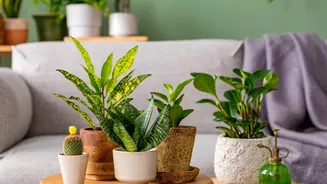







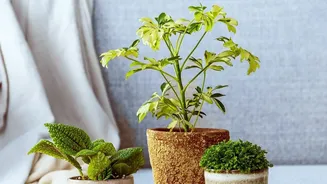
Long hours at your desk can leave you feeling drained, but the solution might be simpler than you think. The air in your study space matters, and adding a touch of green with easy-to-care-for plants can make all the difference.
Why Your Workspace Needs a Green Boost
We spend most of our time
indoors, where the air can be more polluted than we realise. Everyday items like furniture, cleaning products, and paints can release invisible compounds called VOCs (Volatile Organic Compounds) into our environment. While a desk plant won't single-handedly solve this, it is a step in the right direction. Beyond air quality, studies have consistently shown that having plants in your workspace can significantly reduce stress and anxiety. Research has demonstrated that a greener office can lead to a drop in tension, fatigue, and even depression. It creates a more visually soothing atmosphere, helping to improve your general mood and making your desk a more pleasant place to be.
Meet the Pothos: The Forgiving Vine
Often called Devil's Ivy, the Golden Pothos (Epipremnum aureum) is a champion for beginner plant parents. Its heart-shaped leaves, often speckled with yellow or white, grow on trailing vines that can be left to hang gracefully or trained to climb. Pothos is renowned for its resilience; it can tolerate a wide range of lighting conditions, though it thrives best in bright, indirect sunlight. Too much direct sun can scorch its leaves, while very low light may cause it to lose some of its variegation. It's also quite communicative, its leaves will start to wilt slightly when it needs water, taking the guesswork out of your care routine. For best results, allow the soil to dry out between waterings and plant it in a pot with good drainage. Overwatering is the most common mistake, so it's better to be a little forgetful than overly attentive.
The Snake Plant: The Unkillable Icon
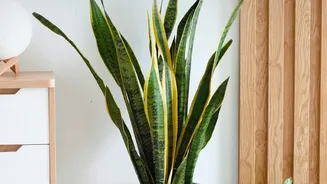
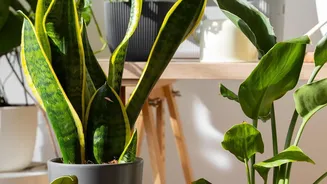
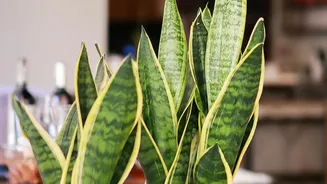
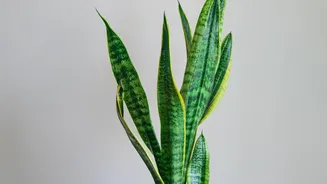
The Snake Plant (Dracaena trifasciata), also known as Mother-in-Law's Tongue, is the definition of low-maintenance. With its stiff, upright leaves that resemble swords, it brings a sharp, modern aesthetic to any space. Native to West Africa, this plant is incredibly tough and can survive conditions that would doom many others. It is perfectly happy in low light but will also tolerate bright, indirect light. The most important rule for snake plant care is to avoid overwatering. As a succulent, it stores water in its leaves and is highly susceptible to root rot in soggy soil. You should only water it when the soil is completely dry, which could be as infrequent as every 2-6 weeks depending on your home's environment. A unique quality of the snake plant is its ability to perform a type of photosynthesis that allows it to release oxygen at night, making it an excellent choice for bedrooms and study areas.
The Reality of Air Purification
The idea that houseplants can purify indoor air gained immense popularity from a 1989 NASA study. This research showed that in a sealed chamber, certain plants were effective at removing toxins like formaldehyde and benzene from the air. Snake plants and pothos were among the plants studied. However, it's important to contextualise these findings. Our homes and offices are not sealed chambers; there is constant air exchange with the outdoors. To replicate NASA's results in a typical room, you would need a very large number of plants—some estimates suggest 10 plants per square foot. So, while your desk pothos is indeed filtering some pollutants, its effect on the overall air quality of the room is minimal. Think of it as a small, natural helper rather than a high-tech air purifier.
More Than Just Air: The Wellness Factor
Even if their air-purifying impact is modest, the psychological benefits of desk plants are undeniable. Multiple studies have confirmed that the presence of greenery can boost productivity, enhance creativity, and improve concentration. One study by the University of Exeter found that productivity could increase by up to 15% in offices with plants. Another reported that people in offices with plants showed a 30-60% reduction in stress. The simple act of caring for something, watching it grow, and having a touch of nature in your personal space can reduce mental fatigue and promote a sense of calm and well-being. This connection to nature is especially vital when you're stuck indoors for long periods, preparing for exams or working towards a deadline.