




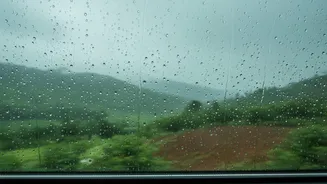

The Current Weather Situation
The IMD has issued a series of red and orange alerts for numerous states, warning of heavy to extremely heavy rainfall, thunderstorms, and gusty winds. These alerts, effective for early August 2026, are a result of active monsoon systems moving across
central, western, and northern India. States in the north, northeast, and south are all expected to experience intense spells of rain, leading to potentially hazardous conditions. For instance, a red alert, indicating the need for immediate action, was issued for Patiala in Punjab, while orange alerts cover dozens of districts in states like Uttar Pradesh, Kerala, Karnataka, and Uttarakhand.
High-Alert Zones and Affected Regions
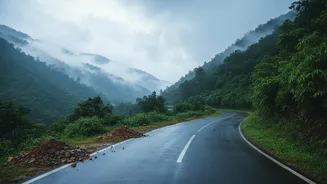
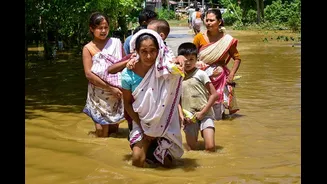
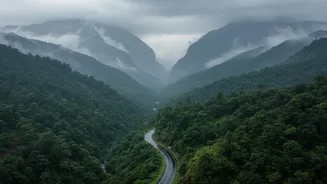
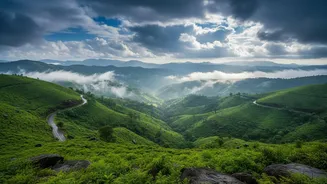
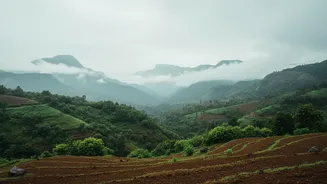
Travellers should be particularly cautious in certain regions. The mountainous states of Himachal Pradesh and Uttarakhand are highly vulnerable to landslides and flash floods, with hundreds of roads already blocked and power supplies disrupted. In early August, over 150 roads were reported closed in Himachal Pradesh across districts like Mandi, Kullu, and Shimla. In the south, Kerala has seen red alerts issued for eight districts including Idukki and Wayanad, with warnings of extremely heavy rainfall. The Western Ghats, spanning Karnataka and Maharashtra, are also on high alert, with Konkan and Goa expected to receive very heavy rainfall. The Northeast is another hotspot, with Assam and Meghalaya forecast to receive extremely heavy downpours.
Your Pre-Travel Safety Checklist
Before starting your journey, preparation is key. First, check the latest weather forecasts from official sources like the IMD website. Reconfirm all bookings and consider choosing accommodations with flexible cancellation policies, as itineraries may need to change suddenly. If travelling to hilly areas, verify road conditions through state disaster management authority portals or local police helplines before you leave. Pack smart: include a lightweight raincoat, waterproof footwear with good grip, and quick-drying clothes instead of heavy materials like jeans. A waterproof backpack or dry bags are essential for protecting electronics, cash, and important documents.
Tips for Staying Safe on the Road
If you are already travelling, prioritize safety above all else. Avoid driving at night, especially in hilly or poorly-lit areas where potholes and landslide debris are harder to spot. Never attempt to cross waterlogged streets or streams with strong currents. In mountain regions, be extremely vigilant about the risk of landslides and avoid taking shelter under trees or unstable structures during a storm. Keep an emergency kit in your vehicle, including a first-aid box, a power bank, and some non-perishable food and water. It is also wise to have a buffer day in your itinerary to account for potential delays from road closures or cancelled transport services.
Health and Other Precautions
The monsoon season brings a higher risk of waterborne and mosquito-borne diseases. To stay healthy, drink only bottled or filtered water and avoid street food, especially uncooked items like salads or juices with ice from unknown sources. Always opt for hot, freshly cooked meals from clean establishments. Carry a basic medical kit containing essentials for fever, stomach upsets, and any personal medications. Using a strong insect repellent is particularly important in coastal and rural regions like Kerala and Goa. Finally, stay informed by monitoring updates from local authorities and disaster management agencies throughout your trip.