






The great Indian dream of owning a home has a new dilemma at its heart. For years, location was king. Today, a growing number of buyers are trading prime postcodes for extra square footage, sparking a nationwide debate in real estate.
The Post-Pandemic Shift in Priorities
Before 2020, the
mantra for most urban homebuyers was 'location, location, location'. Proximity to offices, schools, and transport hubs was the primary driver of property value. The pandemic, however, fundamentally reshaped our relationship with our homes. With remote work becoming a long-term reality for many, the home transformed into an office, a classroom, and a recreation zone all at once. This shift triggered a significant change in buyer preferences. Suddenly, the appeal of a short commute began to compete with the desire for more space, a dedicated home office, and open areas like balconies or gardens. This trend has persisted, with surveys in 2026 showing that buyers continue to prioritize space and quality, even in the face of rising property prices.
The Undeniable Allure of More Space
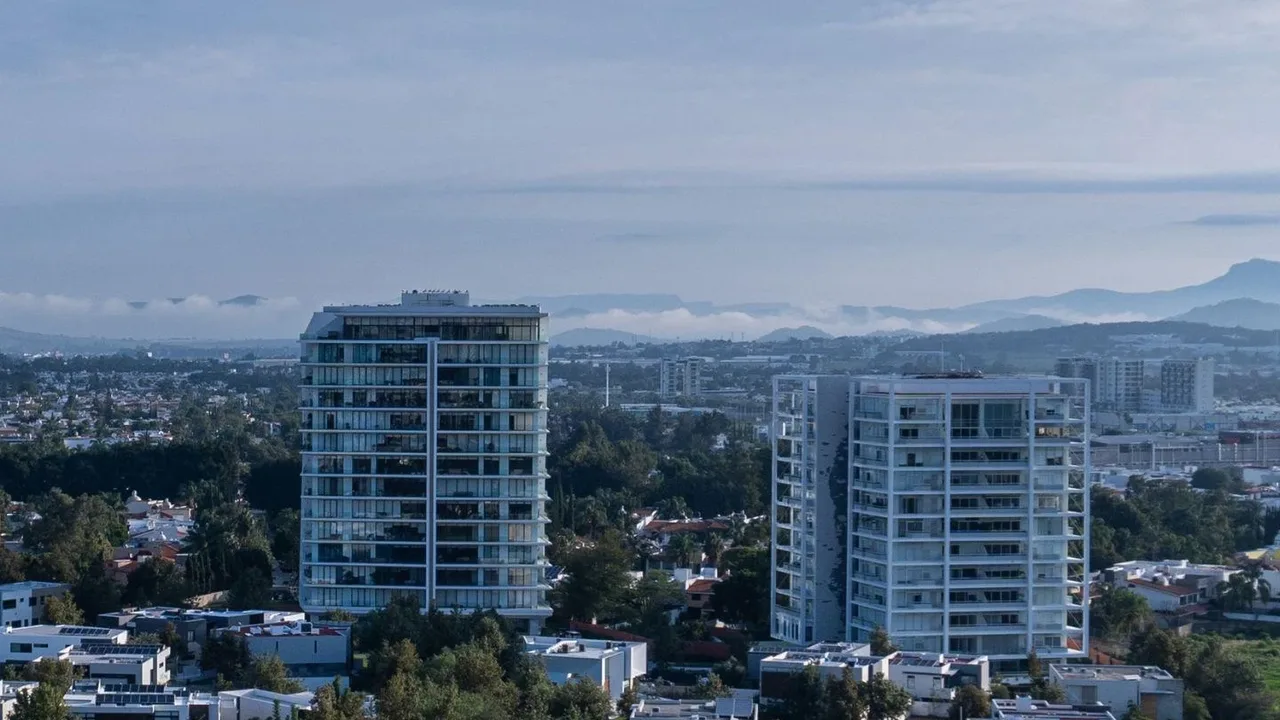
The case for a larger home is compelling. For the same budget that might afford a compact 2BHK in a prime metro area, a homebuyer could secure a spacious 3BHK or even a 4BHK in a peripheral or suburban location. This extra room provides flexibility for a growing family, a dedicated workspace free from household distractions, or simply a better quality of life. Recent data confirms this 'premiumisation' of demand, with a H1 2026 survey showing that 48% of Indian homebuyers now prefer a 3BHK, up significantly in recent years. Developers have responded, with the average floor area per unit sold in major metros increasing since 2022. These larger homes are often located in integrated townships that offer a quieter environment and lifestyle amenities like parks and fitness centres, which became highly sought after post-pandemic.
The Enduring Power of Connectivity
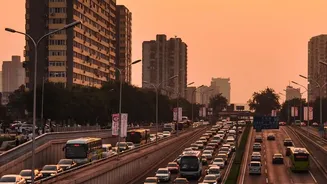
While the suburbs beckon with space, the pull of a well-connected urban neighbourhood remains powerful. For many, especially those in hybrid work models or with children's schooling to consider, a central location is non-negotiable. Proximity to social infrastructure like top-tier healthcare, retail destinations, and entertainment options is a major draw. Furthermore, properties in well-connected areas tend to have stronger long-term value preservation. Recent trends show that ongoing infrastructure projects, such as new metro lines and expressways, are significantly boosting property values and demand in the areas they serve. A well-connected home saves invaluable time on daily commutes and provides a sense of being at the centre of the action, a lifestyle many are unwilling to sacrifice. In a 2026 survey, 75–80% of respondents cited connectivity and social infrastructure as top considerations, equal in importance to the unit's size and layout.
Decoding the Financial Trade‑Off
The financial calculation is at the core of this decision. Property rates in prime city centres can be several times higher per square foot than in emerging suburban corridors. For instance, a 2BHK in South‑Central Mumbai can cost over ₹3 crore, while a similar‑sized flat in parts of Kolkata could be around ₹40 lakh. However, the sticker price is only part of the story. A home in a far‑flung suburb might involve significant hidden costs, including higher daily commuting expenses, reliance on personal vehicles, and potentially lower rental yields. Conversely, while a city‑centre flat is more expensive upfront, it may offer better capital appreciation and save money on transport. Buyers are becoming more nuanced, weighing the price‑per‑square‑foot against long‑term value, infrastructure growth, and overall lifestyle costs.
Making the Right Choice for You
Ultimately, there is no one‑size‑fits‑all answer. The 'right' choice depends entirely on an individual's or family's life stage, profession, and priorities. A young professional or a double‑income couple without children might prioritize the vibrant social life and short commute of a city‑centre apartment. For them, a smaller, well‑connected home is a gateway to a dynamic urban lifestyle. In contrast, a family with children and hybrid‑working parents may find that a larger home in a quieter, greener suburb offers a better environment for work and family life. The preference also varies by city; buyers in Ahmedabad and Delhi‑NCR show a strong preference for 3BHKs, while the 2BHK still reigns in Mumbai and Pune, reflecting the different market dynamics and affordability in each region.