





An Arena of Acrimony
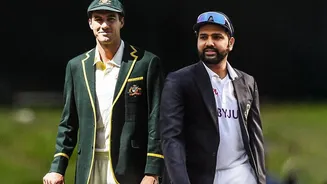
The stage was set for a classic confrontation. Ricky Ponting's Australian team was a juggernaut, chasing a record-equalling 16th consecutive Test win. India, led by the stoic Anil Kumble, arrived as a proud and competitive touring side. The rivalry was already
intense, but no one could have predicted that the second Test in Sydney would descend into one of the most acrimonious matches in the sport's history, later dubbed 'Bollyline' in a nod to the infamous Bodyline series of the 1930s. The match was marred by a slew of poor umpiring decisions, most of which went against the touring Indians. Even Ponting later admitted India got the 'raw end' of the calls.
The Sydney Flashpoint
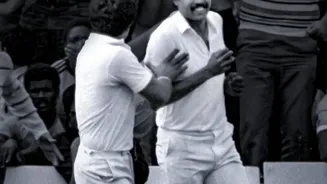
The Sydney Cricket Ground became a theatre of fury. Multiple incorrect decisions from umpires Steve Bucknor and Mark Benson left the Indian team and its fans incensed. Australian batsman Andrew Symonds, who would go on to score a crucial 162 not out, was given a reprieve by umpire Bucknor when he clearly edged a ball to the wicketkeeper on just 30 runs. Later, he survived a stumping appeal that also appeared to be out. These moments, compounded by several incorrect decisions against Indian batsmen, created a pressure-cooker environment where the spirit of the game was severely tested. Australia dramatically won the match by 122 runs in the final minutes, but the victory felt hollow, overshadowed by what had transpired.
The 'Monkeygate' Eruption
Amidst the on-field tension, the series exploded into an international incident. Australian players accused Indian spinner Harbhajan Singh of calling Andrew Symonds, who is of Afro-Caribbean descent, a 'monkey'. Harbhajan vehemently denied the charge, stating he had used a common Hindi phrase that was misheard. The incident became known as 'Monkeygate'. Match referee Mike Procter handed Harbhajan a three-Test ban for racial abuse based on the Australian team's testimony. The Indian team was furious, feeling their player was unjustly accused and convicted without sufficient evidence. The charge was a serious one, and the fallout was immediate and severe.
A Captain's Stand and a Tour in Jeopardy
The verdict against Harbhajan was the final straw. In a now-iconic post-match press conference, a visibly angered captain Anil Kumble stated, 'Only one team was playing in the spirit of the game'. It was a powerful, direct condemnation of the Australian team's conduct and the perceived injustices. Backed by the Board of Control for Cricket in India (BCCI), the team threatened to abandon the tour altogether if the ban on Harbhajan was not overturned. This was an unprecedented move. Cricket was suddenly on a diplomatic knife-edge, with the lucrative tour hanging by a thread.
The Power Play and Lasting Legacy
The BCCI's threat to pull out was a seminal moment. It was a direct challenge to the authority of the International Cricket Council (ICC) and Cricket Australia. Faced with a massive financial and political crisis, the powers that be relented. An appeals process downgraded Harbhajan's charge from racial abuse to the lesser offence of using abusive language, and his ban was lifted in favour of a fine. India continued the tour, even winning the next Test in Perth magnificently to end Australia's winning streak. The 2008 series is remembered not just for the bitterness, but as the moment the BCCI fully realised and wielded its financial might, fundamentally altering the power dynamics of world cricket forever. It was a series where the fiercest battles were fought not just with bat and ball, but in boardrooms and press conferences.