





A Quiet Revolution on Indian Streets
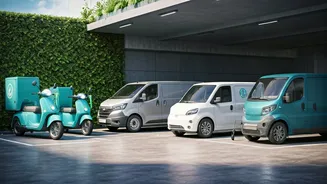
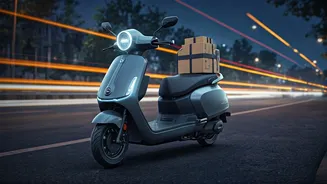
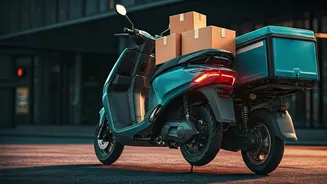
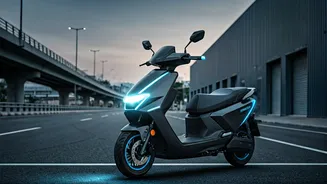
A massive transformation is happening in India’s logistics space, and it's happening in the final, most crucial step of the supply chain: the last mile. Fleets of electric two- and three-wheelers are becoming a common sight in cities, delivering everything
from groceries and food to e-commerce packages. Major players are leading this charge. Companies like Flipkart and Zomato have pledged to transition their delivery fleets to 100% electric by 2030. Amazon India is also a significant player, operating over 10,000 EVs and planning to introduce 1,000 electric trucks for its middle-mile operations. This isn't just a trend; it's a fundamental operational shift driven by a powerful combination of economics, policy, and corporate responsibility. The growth is explosive, with the electric last-mile delivery market in India projected to grow at a compound annual growth rate (CAGR) of over 25% from 2026.
Why Electric Makes Business Sense
The primary driver of this electric wave isn't just environmental consciousness—it's pure economics. For high-utilisation commercial fleets, the total cost of ownership (TCO) for EVs is becoming increasingly favorable compared to their petrol counterparts. The big saving comes from running costs. While an electric two-wheeler costs more upfront, its per-kilometre cost is significantly lower. Some reports suggest the running cost of an electric two-wheeler can be as low as ₹1.5-2 per km, whereas a petrol vehicle costs around ₹4 per km. Maintenance costs are also substantially lower for EVs due to fewer moving parts—no oil changes or spark plug replacements needed. For a logistics business where vehicles cover hundreds of kilometres a day, these savings multiply quickly, making electrification a strategic financial decision.
A Strong Push from Policy
The Indian government has been actively nurturing this transition. The Faster Adoption and Manufacturing of (Hybrid &) Electric Vehicles (FAME) scheme has been pivotal. FAME-II, with an outlay of ₹10,000 crore, provided demand incentives that lowered the high upfront cost of EVs, particularly for commercial use. While FAME-II ended in March 2024, it has been succeeded by new schemes like the PM E-Drive scheme, which continues to support the electrification of commercial fleets. Beyond central schemes, several state governments have introduced their own EV policies, offering further incentives like reduced road taxes and registration benefits. Some, like Delhi, have even mandated the full electrification of delivery fleets, leaving businesses with a clear directive to switch.
The Roadblocks: Charging and Infrastructure
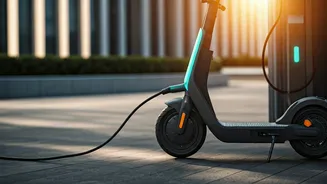
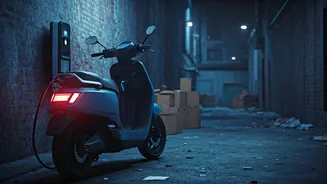
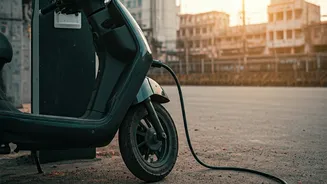
Despite the momentum, the path to full electrification isn't without its bumps. The most significant challenge remains the charging infrastructure, or lack thereof. Range anxiety—the fear of a battery running out mid-delivery—is a real concern for drivers and fleet operators. While large companies like Amazon are building their own charging infrastructure at delivery stations, smaller operators are more dependent on a public network that is still developing. The focus is now shifting from simply deploying vehicles to ensuring they can operate efficiently, which means solving the energy problem. Innovative solutions like Battery-as-a-Service (BaaS) and battery swapping are emerging to tackle this. These models allow drivers to swap a depleted battery for a fully charged one in minutes, eliminating downtime and also lowering the vehicle's upfront cost by separating the battery from the vehicle purchase.
What's Next for Green Deliveries?
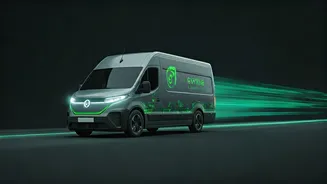
The electrification of last-mile delivery is past the point of no return; it has moved from early adoption to scalable commercialization. The future will likely involve a hybrid approach to energy solutions, combining depot charging, fast charging, and widespread battery-swapping networks. As battery technology improves and costs continue to fall, the economic case for EVs will only get stronger. We are also seeing the expansion into larger vehicles, with companies announcing plans to deploy hundreds of electric mini-trucks for logistics. For businesses, the conversation is no longer about *if* they should electrify, but *how* to manage the transition effectively. For consumers, it means their next order will increasingly be delivered silently and with a smaller carbon footprint.