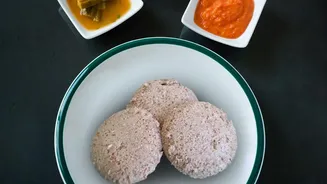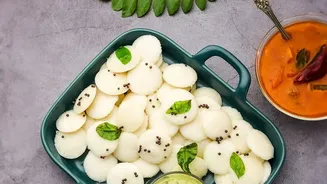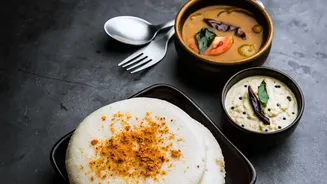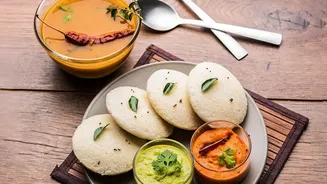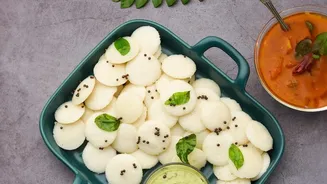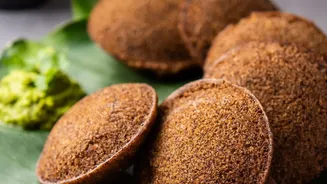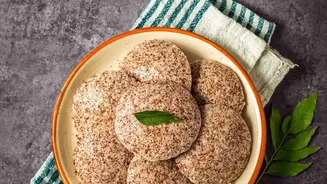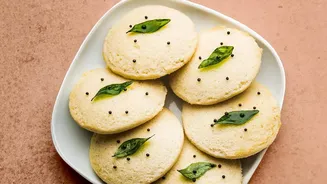




The classic South Indian idli is getting a wholesome makeover. By swapping rice for an ancient grain, foxtail millet idli offers a nutritious, fibre-rich, and gluten-free start to your day without sacrificing that beloved soft, fluffy texture.
What Exactly is Foxtail Millet?
Foxtail
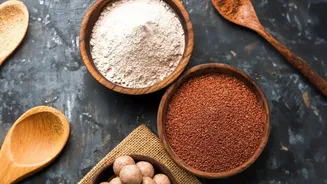
millet, one of the oldest cultivated grains, is making a major comeback in Indian kitchens. Known locally by names like 'thinai' in Tamil, 'kangni' in Hindi, and 'korra' in Telugu, this tiny, yellowish grain was a staple long before rice and wheat became dominant. It is naturally gluten-free and celebrated for its resilience as a crop and its impressive nutritional profile. As more people seek healthier, traditional food options, foxtail millet is being rediscovered for its versatility in dishes ranging from upma and porridge to, most popularly, a modern take on idli.
The Nutritional Powerhouse
Swapping rice for foxtail millet is a significant nutritional upgrade. Compared to white rice, foxtail millet has nearly double the protein and dramatically more dietary fibre. It boasts a low glycemic index, which means it releases sugar into the bloodstream slowly, preventing energy spikes and crashes. This makes it an excellent choice for managing blood sugar levels. Furthermore, it is a rich source of essential minerals like iron, calcium, and magnesium, which support bone health, boost immunity, and improve heart function by helping regulate blood pressure and cholesterol.
Why Foxtail Millet is Perfect for Idli
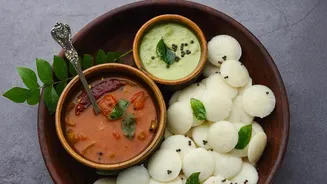
The key to a good idli is a well-fermented batter that produces a soft, porous texture, and foxtail millet delivers beautifully. Its mild, slightly sweet flavour blends seamlessly into the familiar taste of idli. When ground, it creates a batter with a consistency similar to that of rice batter, allowing for proper fermentation. The fermentation process, aided by urad dal and a pinch of fenugreek seeds, creates the light, airy structure that defines a perfect idli. The result is an idli that is not only healthier but also has a lovely, light yellow hue and a satisfying texture that holds up well when paired with sambar and chutney.
A Simple Guide to Making Foxtail Millet Idli
Making foxtail millet idli is very similar to the traditional process. Here’s a basic approach: 1. Soak the Ingredients: You'll need foxtail millet, urad dal (black gram), and a small amount of fenugreek seeds. Some recipes also add a little idli rice or poha (flattened rice) for extra softness. Soak the millet and dal separately for 4–6 hours. 2. Grind the Batter: Grind the soaked urad dal and fenugreek seeds first, adding water gradually until you get a light, fluffy paste. Then, grind the soaked millet into a smooth, slightly coarse batter. It's best to grind them separately for the ideal texture. 3. Combine and Ferment: Mix the two batters together in a large container, add salt, and combine well. Cover and leave it to ferment in a warm place for 8–12 hours, or until it has risen and looks aerated. The fermentation time will depend on the climate; it may take longer in colder weather. 4. Steam the Idlis: Once fermented, gently stir the batter. Grease your idli moulds, pour the batter into them, and steam for 12–15 minutes. The idlis are ready when a toothpick inserted into the centre comes out clean. Let them rest for a few minutes before demoulding.
Tips for Soft and Spongy Results
For the best foxtail millet idlis, keep a few things in mind. First, don't over-'grind' the batter,' as the heat from the mixer can hinder fermentation.' Using a wet grinder will yield a fluffier batter than a standard blender.' When fermenting,' find a warm,' draft-'free' spot in your kitchen;' placing the container inside a turned-'off' oven with the light on can help in cooler climates.' Ensure your batter isn't too thick or too runny;' it should have a thick,' pourable consistency.' Finally,' after fermentation,' avoid over-'mixing' the batter,' as this can deflate the air bubbles needed for a soft texture.' Just a gentle stir before pouring is enough.