




The Science of Spices and Health
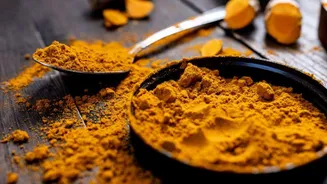
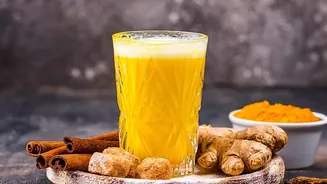
For centuries, traditional practices like Ayurveda have used spices such as turmeric, ginger, and fennel not just for flavour, but for their therapeutic qualities. Modern science is now catching up, identifying the active compounds, or phytonutrients,
within these botanicals that offer antioxidant and anti-inflammatory benefits. However, simply eating these spices doesn't guarantee you'll receive their full power. Many of their most potent compounds, like curcumin from turmeric, are notoriously difficult for the body to absorb on their own because they don't dissolve well in water, which makes up a large part of our digestive system.
Unlocking Nutrients with Lipids
This is where the term 'lipid-soluble' becomes crucial. Lipids are essentially fats and oils. Many beneficial plant compounds, like curcumin, as well as essential vitamins like A, D, E, and K, are fat-soluble. This means they need to bind with fats to be properly absorbed through the intestinal wall and into the bloodstream. Think of it like trying to mix oil and water—it doesn't work. But if you mix that 'oil' (the fat-soluble compound) with another oil or fat, it dissolves perfectly. By infusing botanicals directly into a lipid base, the active compounds are already in a format that your body can readily recognize and absorb, a process that significantly increases their bioavailability.
Protecting Your Intestinal Walls
Your gut is lined with a delicate barrier that is essential for health. It allows beneficial nutrients to pass into your bloodstream while keeping harmful substances out. Factors like stress, poor diet, and inflammation can compromise this barrier. Phytonutrients found in many spices, including curcumin and compounds from ginger, have been shown to support the integrity of this intestinal wall. They can help strengthen the tight junctions between cells in the gut lining, reduce inflammation, and support the healthy mucus layer that acts as a first line of defense. When these compounds are delivered in a lipid-soluble form, they are more effectively transported to the gut lining where they can exert their protective effects.
Boosting Your 'Digestive Vitality'
The term 'digestive vitality' goes beyond simply avoiding discomfort. It refers to a state of optimal gut function. This includes efficient digestion, robust nutrient absorption, and a balanced gut microbiome. Certain spices can contribute to this in several ways. Ginger, for instance, is known to help relieve irritation and stimulate digestive juices, while fennel is traditionally used to reduce gas and bloating. Some spices also stimulate the secretion of bile, which is crucial for fat digestion. By ensuring the phytonutrients from these spices are highly absorbable through lipid infusion, their ability to support these vital digestive processes is enhanced, leading to a greater sense of overall well-being.
A Synergy of Ingredients
The concept behind 'Sizzling Spices' and similar formulations is based on this synergy. It combines beneficial botanicals with the very thing they need to work best: healthy fats. This approach often involves more than just one spice. For example, black pepper contains piperine, an active compound that can slow the breakdown of curcumin in the liver, giving it more time to be absorbed. When you combine botanicals like turmeric and black pepper with a lipid carrier, you create a powerful trio that enhances absorption through multiple mechanisms. This intelligent combination ensures that the full spectrum of benefits from these ancient spices can be unlocked for modern digestive health.