







The Danger in Delay
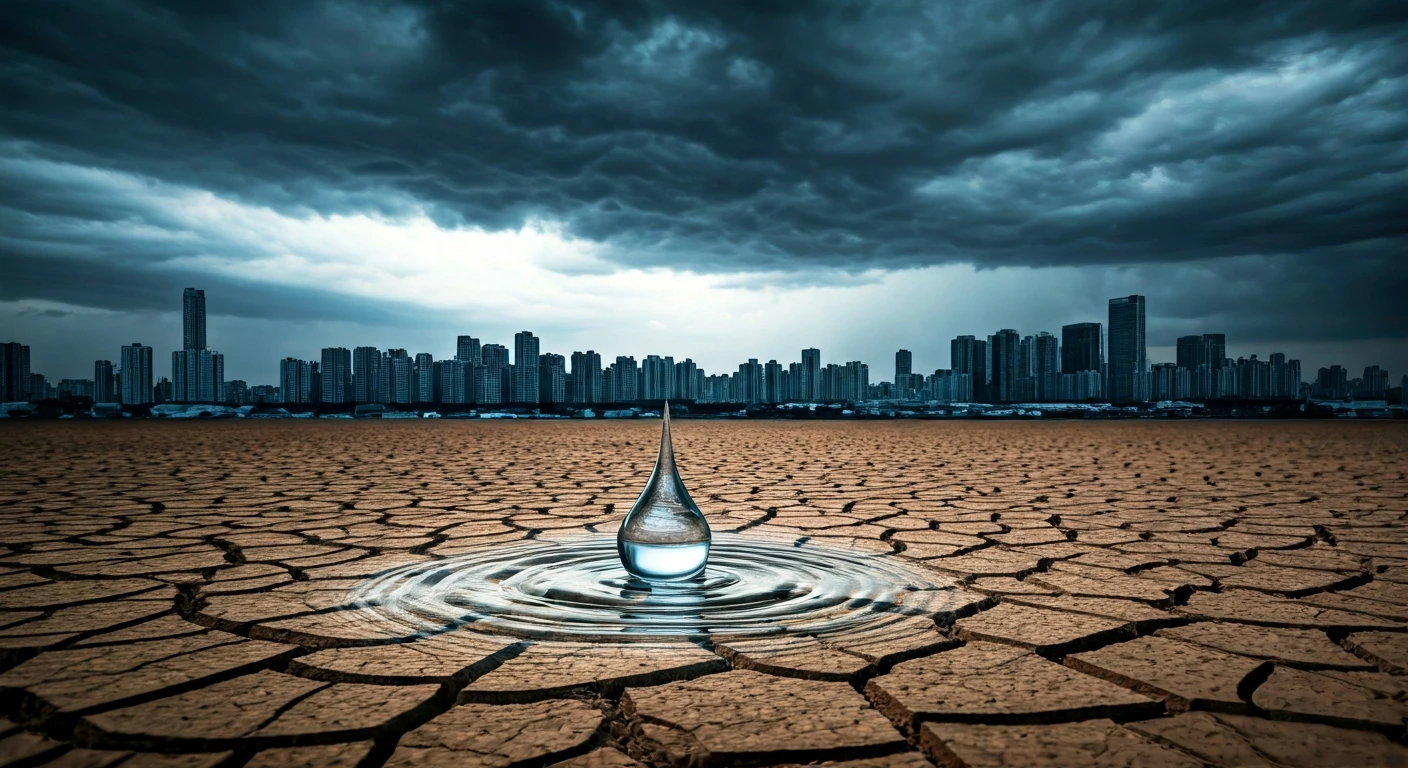
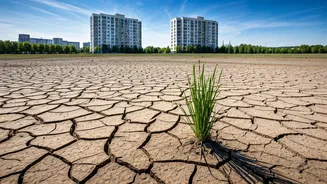
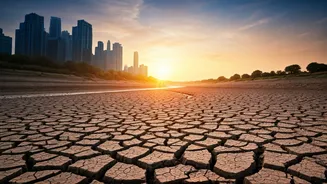
A delayed or erratic monsoon presents a dual threat. Firstly, the current dry conditions, with a reported 40% rainfall deficit in June 2026, strain water resources, with reservoir levels in major cities like Mumbai dropping precariously low. Secondly,
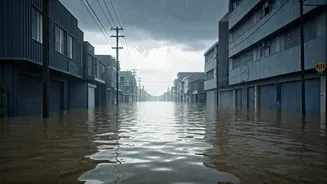
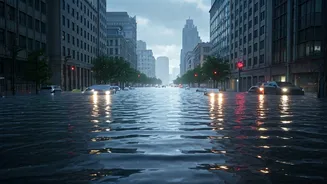
this calm before the storm often breeds complacency. Urban India has a recurring crisis with monsoon flooding, not just from the volume of rain but from systems unprepared to handle it. Intense downpours after a dry spell can overwhelm ageing drainage systems in cities like Mumbai, Bengaluru, and Chennai, leading to rapid waterlogging and significant damage. The combination of unplanned urbanisation and the encroachment on natural water bodies means even short, intense spells of rain can be disastrous.
Your Home Preparedness Checklist
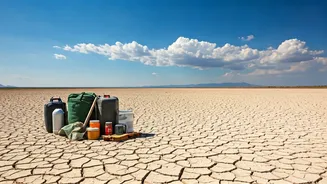
Securing your home is the first line of defence. Start with the roof, inspecting it for loose tiles, cracks, or damage and ensuring seals around vents are intact. Clear your gutters and drains of leaves and debris to prevent blockages that cause water to overflow and damage your home's foundation. Inside, check that all windows and doors close properly and that weatherstripping is not worn out to prevent water from seeping in. It is also wise to prepare an emergency kit with essentials like a flashlight, non-perishable food, drinking water, and a first-aid kit. Finally, trim any tree branches that hang over your house to prevent them from breaking in high winds and causing damage to your roof or windows.
Community and Civic Action
Individual efforts are vital, but community-level planning amplifies safety. Resident Welfare Associations (RWAs) and local groups can play a pivotal role. This includes organising cleaning drives for community drains, identifying vulnerable residents who might need assistance, and establishing a communication plan for emergencies. At the city level, authorities are tasked with large-scale works like desilting major river channels and drains, repairing damaged infrastructure, and setting up emergency control rooms. For instance, some state disaster management authorities complete assessments of vulnerable river embankments and ensure sluice gates are functional before the rains intensify. This shared responsibility between citizens and local government is essential for building a resilient environment.
The Bigger Picture: Water and Infrastructure
The challenges posed by the monsoon are a direct reflection of broader infrastructural and environmental issues. India's disaster management framework has officially shifted focus from relief to preparedness, but execution at the city level often falls short. Major cities frequently suffer from a combination of ageing drainage systems, the loss of natural buffers like wetlands and lakes, and rapid, unplanned construction. This makes urban centres extremely vulnerable. National and provincial disaster management authorities issue guidelines and coordinate preparedness efforts, such as pre-deploying response teams to historically flood-prone areas. However, long-term solutions require dedicated funding for municipal bodies, enforceable rainwater harvesting, and urban planning that respects natural hydrology.