




What Exactly Is El Niño?
El Niño is the warm phase of a natural climate pattern called the El Niño-Southern Oscillation (ENSO). It involves the unusual warming of sea surface temperatures in the central and eastern equatorial Pacific Ocean. Normally, strong trade winds blow from
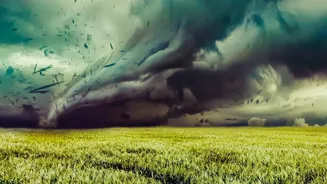
east to west, piling up warm water in the western Pacific near Asia. During an El Niño, these trade winds weaken or even reverse. This allows the vast pool of warm water to spread eastward, which in turn disrupts atmospheric circulation patterns across the globe, influencing weather far and wide. For an event to be officially declared, this warming needs to remain above a certain threshold for several consecutive months. Current forecasts for late 2026 show a strong El Niño is developing and expected to persist into early 2027.
The Critical Monsoon Connection
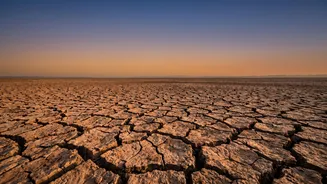
India’s economy and the livelihoods of hundreds of millions of farmers depend on the annual southwest monsoon, which delivers about 70% of the country's rainfall. El Niño has a strong, albeit complex, relationship with this lifeblood. The changes in the Pacific Ocean's temperature and winds can weaken the atmospheric currents that drive moisture-laden clouds toward the Indian subcontinent. Historically, many of India's drought years have coincided with El Niño events. While it's not a perfect one-to-one relationship—not every El Niño causes a drought—the connection is significant enough for meteorologists and policymakers to be on high alert. As of September 2026, strengthening El Niño conditions are being linked to a monsoon rainfall deficit of around 15% below the long-term average, putting India on course for its driest monsoon in 17 years.
Consequences for Our Farmers
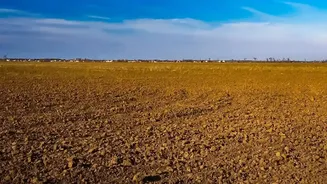
Agriculture is the first and most direct casualty of a weak monsoon. With nearly half of India's farmland still reliant on rain for irrigation, a rainfall deficit creates immense stress. Key kharif (monsoon) crops like rice, pulses, cotton, and sugarcane are particularly vulnerable. Poor rains reduce soil moisture, delay sowing, and can stunt crop growth, leading to lower yields. Farmers may be forced to rely more on groundwater, which increases their operational costs for electricity or diesel to run pumps. This combination of lower output and higher expenses squeezes already tight farm incomes, deepening rural distress. In response to the threat, authorities are encouraging farmers in vulnerable districts to plant crops that require less water and have shorter growing cycles, such as millets and certain pulses.
How It Hits Your Household Budget
The ripple effects of a poor harvest are felt in kitchens and markets across the country. Lower agricultural production leads to supply shortages, which inevitably drive up food prices. Items like vegetables, pulses, sugar, and edible oils are often the first to see price hikes. Food inflation, which was already on the rise, is a major concern. Economists estimate that even a small percentage point shortfall in monsoon rainfall can have a noticeable impact on the food inflation rate. For the average household, this means a higher monthly grocery bill and reduced purchasing power, affecting family budgets and overall spending. This can also slow demand for other goods like two-wheelers and consumer products as rural incomes shrink.
Government on Alert
Recognising the significant economic risk, the Indian government has been in a state of high preparedness. Agriculture Minister Shivraj Singh Chouhan has spoken of creating a "protective shield for farmers." This involves proactive measures across hundreds of agricultural districts, including promoting water conservation, preparing crop contingency plans, and advising farmers on alternative, drought-resistant crops. The Reserve Bank of India also closely monitors the situation, as high food inflation can influence its decisions on interest rates. While the challenges are significant, advance warnings and coordinated action at the central and state levels aim to mitigate the worst impacts of the weather phenomenon.