







The Great Ragi Renaissance
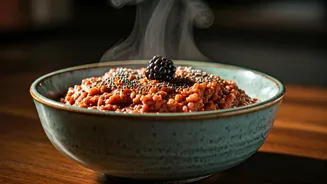
If your social media feeds are suddenly flooded with wholesome-looking bowls of a deep, earthy-red porridge, you're not alone. Ragi, or finger millet, is experiencing a massive comeback. Once considered a humble, rural staple, this ancient grain is now
being hailed as a 'superfood' by nutritionists, wellness influencers, and health-conscious foodies across India. The recent push for millets, amplified by global recognition, has put ragi back on the urban Indian breakfast table. This isn't just about nostalgia; it's a conscious choice. People are actively seeking nutrient-dense, gluten-free, and sustainable food options, and ragi ticks all the boxes. Its versatility and mild, nutty flavour make it a perfect canvas for the kind of visually appealing, healthy recipes that thrive online.
More Than Just a Viral Trend
Behind the viral hashtags and beautiful food photography lies a powerhouse of nutrition. Ragi’s popularity is rooted in solid science. It is one of the best non-dairy sources of calcium, crucial for bone health. It's also packed with iron, helping combat anaemia, a common concern in India. The high fibre content in ragi aids digestion, promotes a feeling of fullness (which can help with weight management), and helps regulate blood sugar levels, making it an excellent choice for individuals with diabetes. Furthermore, it's rich in antioxidants and essential amino acids that the body cannot produce on its own. So, while the current trend might seem fleeting, the benefits of incorporating ragi into your diet are long-lasting and substantial.
What Makes This Porridge 'Rich'?
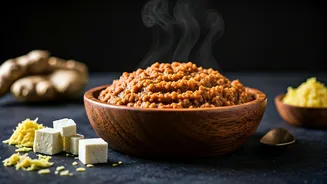
A simple ragi and water gruel is nourishing, but the 'rich' porridge that's going viral takes it to another level. The richness comes from a thoughtful combination of ingredients that add flavour, texture, and even more nutritional value. Instead of refined sugar, these recipes call for natural sweeteners like jaggery powder, date syrup, or mashed bananas. Healthy fats are introduced through chopped nuts like almonds and walnuts or seeds like chia and flax, which also add a satisfying crunch. The creaminess is often enhanced by using milk—dairy or plant-based alternatives like almond or oat milk—instead of just water. A final touch of ghee or a sprinkle of cardamom (elaichi) elevates it from a simple meal to a truly decadent and comforting experience.
The Viral Ragi Porridge Recipe
Ready to try it for yourself? Here’s a simple, adaptable recipe that captures the essence of the viral trend.
Ingredients:
- 3-4 tablespoons Ragi Flour (Finger Millet Flour)
- 1.5 cups Water, divided
- 1 cup Milk (dairy or plant-based)
- 2-3 tablespoons Jaggery Powder or 2-3 chopped dates (adjust to sweetness)
- 1/4 teaspoon Cardamom Powder (Elaichi)
- A pinch of salt
For Topping (The 'Rich' Part):
- 1 tablespoon chopped nuts (almonds, walnuts)
- 1 teaspoon seeds (chia, flax, or sunflower)
- 1/2 teaspoon Ghee (optional, for flavour)
- Sliced banana or other fresh fruit
Instructions:
1. Make a Slurry: In a small bowl, mix the ragi flour with 1/2 cup of water. Whisk well to ensure there are no lumps. This step is crucial for a smooth porridge.
2. Start Cooking: In a saucepan, bring the remaining 1 cup of water to a gentle boil. Slowly pour the ragi slurry into the boiling water, whisking continuously to prevent lumps from forming.
3. Thicken the Porridge: Cook on medium-low heat for 3-4 minutes, stirring constantly, until the porridge thickens and the raw smell of ragi disappears. You'll notice the colour darkens as it cooks.
4. Add Creaminess and Sweetness: Pour in the milk and continue to cook for another 2-3 minutes. Add the jaggery powder (or dates), cardamom powder, and a pinch of salt. Stir until the jaggery is fully dissolved.
5. Final Touches: Simmer for another minute until you reach your desired consistency. Remember that the porridge will thicken as it cools. Turn off the heat.
Serve and Customise
Pour the hot porridge into a bowl. Now for the fun part: the toppings. Drizzle with a little ghee if you're using it. Generously sprinkle your chopped nuts and seeds, and add some fresh fruit slices. This not only makes it look Instagram-worthy but also adds layers of texture and flavour.
Customisation Tips:
- For a vegan version: Use any plant-based milk like almond, soy, or coconut milk, and skip the ghee.
- For extra protein: Stir in a spoonful of nut butter or a scoop of your favourite protein powder at the end.
- Baby-friendly version: Cook the ragi in water, skip the salt and sweeteners, and thin it with breast milk or formula. Always consult a paediatrician before introducing new foods.