


Why Drainage Is Critical in August
During the monsoon, heavy and unpredictable downpours can saturate the soil in pots and garden beds. When water has nowhere to go, it fills the air pockets in the soil that roots need to breathe. This essentially drowns the plant from the ground up, leading
to suffocation, preventing nutrient uptake, and creating the perfect environment for root rot. Unlike a simple case of overwatering, which might dry out, persistent waterlogging during August can be fatal for many common garden plants.
Spotting the Telltale Danger Signs
How do you know if your plants are suffering from poor drainage? The signs can sometimes be mistaken for a lack of water. Look for leaves that are turning yellow, especially lower ones. The plant might look wilted and droopy even when the soil is visibly wet. Other red flags include stunted growth, soil that stays muddy for days after rain, a sour or rotting smell from the soil, and water pooling on the surface. If you gently check the roots, they may appear brown or black and feel mushy, a classic sign of root rot.
Perfecting Pots and Containers
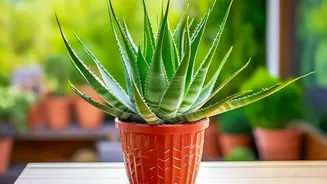
For the many urban gardeners in India, container gardening is key. To ensure good drainage, always start with a pot that has at least one, and preferably multiple, drainage holes. If the holes are blocked, clear them. When potting, use a light, well-draining potting mix rather than heavy garden soil, which compacts easily. You can improve aeration by adding perlite or coco coir to your mix. Contrary to old advice, adding a layer of gravel to the bottom of a pot does not improve drainage; it simply raises the water level inside the pot, which can be even more harmful to the roots.
Solutions for In-Ground Garden Beds
If you have a garden patch, improving drainage in heavy clay or compacted soil is vital. The best long-term solution is to amend the soil by mixing in organic matter like compost or well-rotted manure. This improves soil structure, creating more air pockets and allowing water to filter through. Another excellent technique, especially for vegetables or sensitive plants, is creating raised beds. By elevating the growing area even by 6-12 inches, you create a deeper zone of well-drained soil that sits above the surrounding waterlogged ground. For localised problem spots, digging a simple French drain or a dry creek bed can help channel excess water away.
A Note on Plant Selection
While improving drainage is the best strategy, you can also work with your environment by choosing plants that are more tolerant of moist conditions. Many native Indian plants are naturally adapted to the monsoon climate. Plants like canna lilies, certain varieties of hibiscus, and colocasia (elephant ears) can handle wetter feet than more delicate herbs or succulents. For areas that are persistently damp, consider creating a rain garden—a specially designed bed with water-loving plants that can absorb excess runoff, turning a problem spot into a beautiful feature.