





A Shift Beyond the Classics
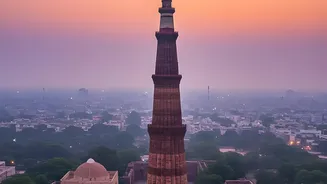
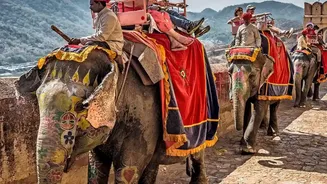
The classic Indian tourist trail—Delhi's historical grandeur, Agra's timeless Taj Mahal, and Jaipur's royal palaces—has long captivated the world. While these destinations remain immensely popular, a significant shift is underway. Travellers are increasingly
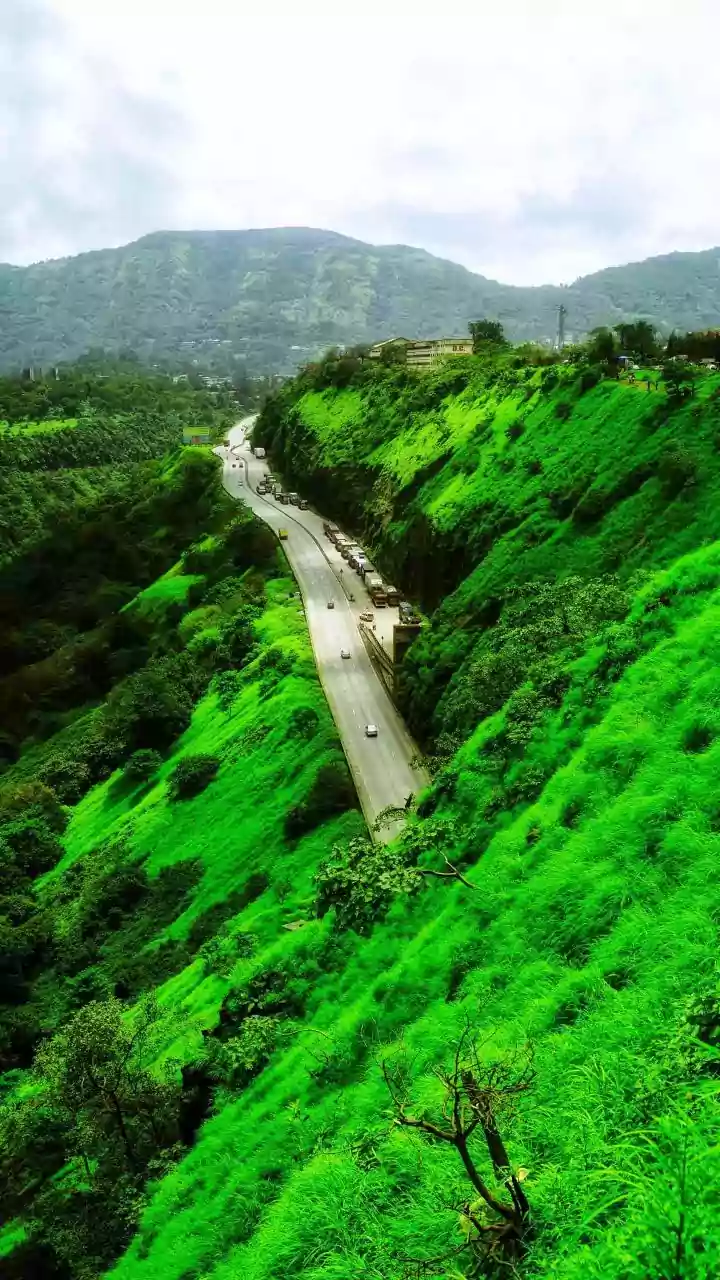
seeking more authentic, less crowded, and unique experiences. This trend is fuelled by a convergence of factors: a surge in domestic travel, government initiatives like 'Dekho Apna Desh' encouraging exploration of lesser-known spots, and dramatically improved infrastructure. Better road, rail, and air connectivity is opening up parts of the country that were once considered remote, making them accessible to a new generation of explorers. Social media also plays a crucial role, with wanderers sharing stunning images of pristine landscapes and unique cultural encounters, inspiring others to follow in their footsteps. This dispersal of tourism is not just changing travel itineraries; it is fostering balanced regional development and bringing economic opportunities to new communities.
The Undiscovered North-East
Perhaps no region exemplifies this new wave of tourism better than North-East India. Comprising eight states, this area has long been a hidden gem, known for its incredible biodiversity and rich tribal cultures. Now, it's firmly on the travel map. States like Meghalaya, with its living root bridges, and Arunachal Pradesh, with its serene monasteries and breathtaking valleys, are seeing a surge in interest. Mizoram, in particular, has experienced a tourism boom, with growth rates soaring over 100% in recent years. This growth is driven by a combination of targeted government investment in infrastructure and a growing demand for eco-tourism and authentic cultural experiences. With branded hotel supply in the region projected to nearly double by 2030, the North-East is transitioning from an emerging curiosity to a primary growth frontier for Indian tourism.
New Horizons in the Himalayas and Heartland
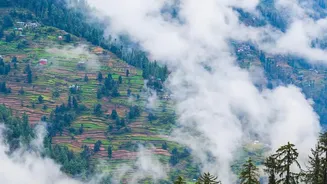
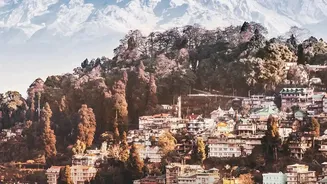
The Himalayas have always been a draw, but travellers are now looking beyond the bustling hubs of Shimla and Manali. The quieter villages of Kumaon in Uttarakhand are attracting those in search of heritage homestays, wellness retreats, and tranquil forest trails. Similarly, the stark, high-altitude desert of Spiti Valley in Himachal Pradesh offers unparalleled adventure and astrophotography opportunities in places like Hanle. Central India is also having a moment. Madhya Pradesh, for instance, has emerged as a major success story, welcoming over 13 crore tourists recently. While its national parks are famous for wildlife, visitors are now exploring the state's rich heritage in cities like Orchha and Mandu, which offer a glimpse into India's storied past without the overwhelming crowds of more famous historical sites.
Coastal Charms and Spiritual Sojourns
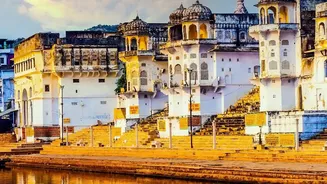
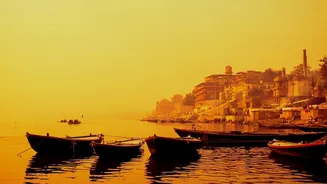
Goa's dominance as India's premier beach destination is being challenged by a string of beautiful and less-commercialised coastal towns. The Konkan Coast in Maharashtra offers uncrowded beaches and scenic road trips, while destinations like Varkala in Kerala and Gokarna in Karnataka provide a more laid-back, bohemian vibe. Simultaneously, there's a renewed interest in India's spiritual circuits, which now attract travellers seeking more than just religious observance. Ancient temple towns are being rediscovered as hubs of culture, wellness, and curated experiences. This trend is leading to the development of premium accommodation and services in spiritual destinations, catering to a modern traveller who wishes to combine a pilgrimage with comfort and deeper cultural immersion.