

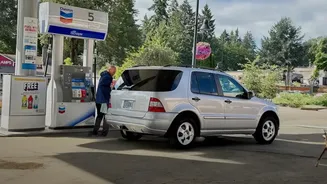

The New 'No PUC, No Fuel' Mandate
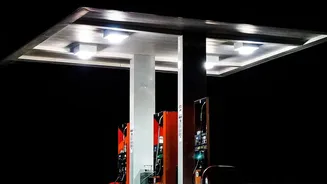
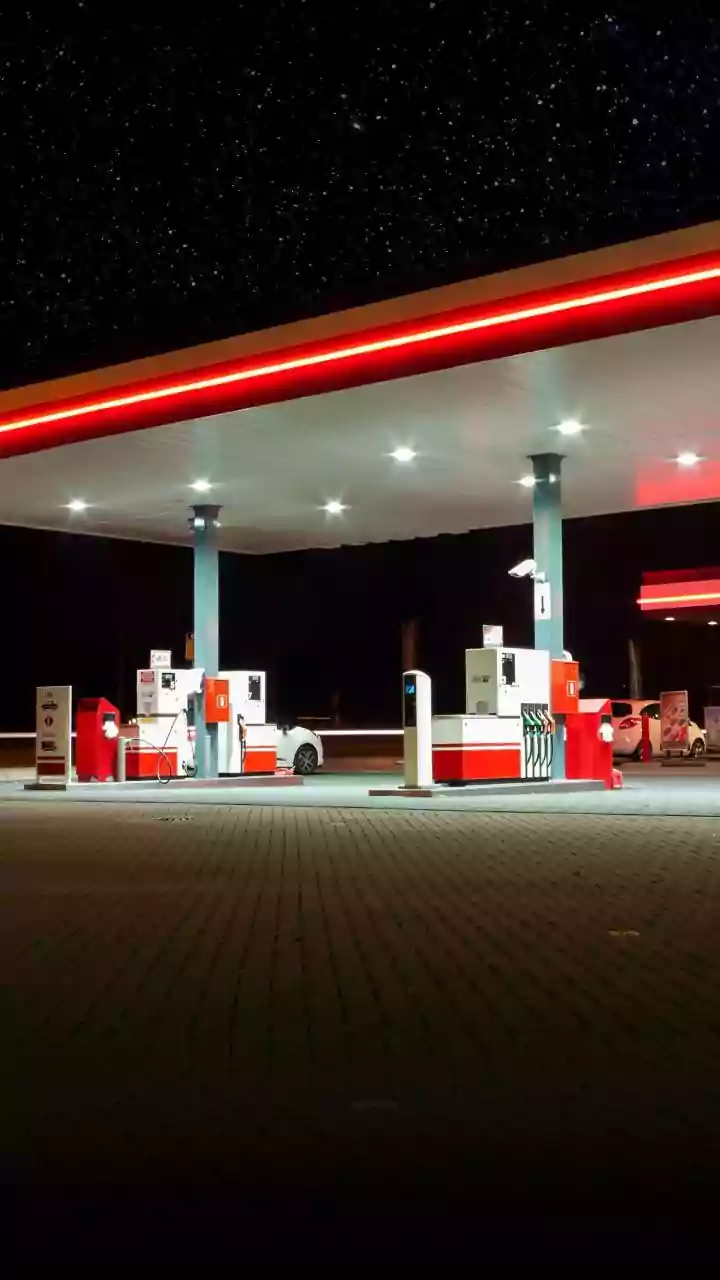
Effective from October 1, 2026, fuel stations across the entire Delhi-NCR are mandated to deny petrol, diesel, and CNG to any vehicle that does not have a valid Pollution Under Control (PUC) certificate. This rule, which was first implemented in Delhi,
has now been extended to cover neighbouring cities in Haryana and Uttar Pradesh that fall within the NCR. To enforce this, many petrol pumps are being equipped with Automatic Number Plate Recognition (ANPR) systems. These cameras scan a vehicle's number plate, check its PUC status against the central Parivahan database, and will automatically prevent fuel dispensing if the certificate is invalid or expired. In places where automated systems are not yet active, fuel station staff are required to manually verify the PUC certificate before refuelling.
Why This Rule Is Being Enforced Now
This stringent measure is a key component of the Commission for Air Quality Management's (CAQM) revised Graded Response Action Plan (GRAP), a set of emergency measures that kick in to control the region's notoriously poor winter air quality. Vehicular emissions are a primary contributor to the toxic smog that blankets Delhi-NCR each year as temperatures drop. By linking fuel purchase directly to emission compliance, authorities aim to ensure that a greater number of vehicles on the road are regularly tested and meet prescribed pollution norms. The 'No PUC, No Fuel' rule is part of the first phase of the winter action plan, intended to proactively reduce pollution before it reaches hazardous levels. Other measures include restrictions on older vehicles and efforts to control dust and industrial pollution.
How to Get and Renew Your PUC Certificate
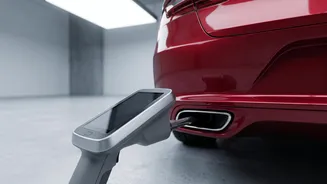
A PUC certificate can only be issued after a physical test at an authorised emission testing centre, many of which are located at petrol pumps and authorised workshops. The process is straightforward: a technician inserts a probe into the vehicle's exhaust pipe to measure pollutants like carbon monoxide and hydrocarbons. If the emissions are within the legal limits, a certificate is generated. The cost generally ranges from ₹80 to ₹140, depending on the vehicle type (two-wheeler, petrol car, diesel car). For new vehicles (BS-IV or BS-VI compliant), the initial certificate is valid for one year, after which it must be renewed annually. For older vehicles, the validity is typically six months. Electric vehicles are exempt from this requirement.
Checking Your PUC Status and Penalties
You can check the status of your vehicle's PUC certificate online through the official Parivahan portal. By entering your vehicle's registration number and the last five digits of its chassis number, you can view and download a digital copy of your certificate if it's valid. Driving without a valid PUC certificate is a punishable offence under the Motor Vehicles Act, which can attract a hefty fine of up to ₹10,000, imprisonment for up to six months, or both. The enforcement of the 'No PUC, No Fuel' rule has already led to long queues at testing centres, as many drivers rush to renew their expired certificates to avoid being denied fuel.
What Drivers Should Do
The most crucial step for every vehicle owner in Delhi-NCR is to immediately check the validity of their PUC certificate. If it has expired or is nearing expiry, get it renewed at the earliest to avoid inconvenience at fuel stations. It is wise to keep a digital or physical copy of the certificate in your vehicle at all times. This not only ensures you can purchase fuel but also saves you from significant fines if stopped by traffic police. The rule applies to all private and commercial vehicles, including two-wheelers, running on petrol, diesel, or CNG. Complying with this rule is not just about avoiding penalties; it's a necessary contribution to the collective effort to improve the air quality for everyone in the region.