





A Shift in the Great Indian Holiday
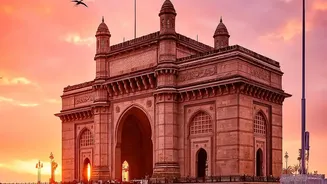
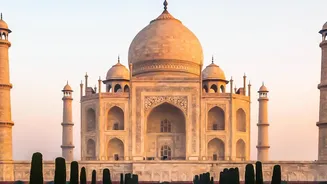
For years, tourism in India was defined by a few iconic circuits. But today, both domestic and international travellers are seeking more. This evolution is driven by a quest for authentic experiences and supported by government initiatives like 'Dekho
Apna Desh' and 'Swadesh Darshan', which encourage exploring the homeland's diverse offerings. These schemes are developing theme-based tourist circuits, from Himalayan routes to coastal trails, making once-niche destinations more accessible. This strategic push is creating a more resilient and varied tourism ecosystem, moving beyond traditional hotspots to showcase the full spectrum of India's cultural and natural wealth.
The Soulful Journey: Pilgrimage Reimagined
Pilgrimage has always been a cornerstone of domestic travel in India, but it's now undergoing a significant modernisation. Faith-linked journeys account for an estimated 60% of domestic tourism, and this segment is evolving from a simple act of devotion to a more holistic travel experience. Government schemes like PRASHAD (Pilgrimage Rejuvenation and Spiritual, Heritage Augmentation Drive) are upgrading infrastructure at major religious sites to improve accessibility, sanitation, and safety. As a result, destinations like Varanasi have seen visitor numbers rise dramatically. Travellers are now combining their spiritual quests with heritage walks, cultural activities, and longer stays, turning a pilgrimage into a well-rounded vacation.
The Pursuit of Wellbeing
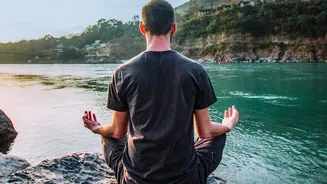
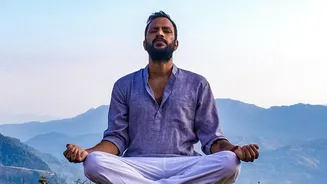
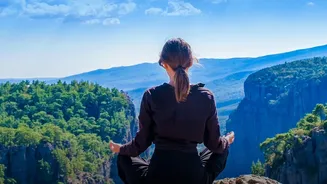
In a post-pandemic world, health has taken centre stage, fuelling a boom in wellness tourism. India's market for wellness travel was valued at over USD 30 billion in 2026 and is projected to grow steadily. The country's ancient traditions of Ayurveda, yoga, and meditation are a massive draw. Destinations like Kerala and Rishikesh are global hubs for wellness, offering everything from luxurious Ayurvedic resorts to secluded yoga ashrams. The trend is expanding, with North India emerging as a fast-growing region for wellness retreats. Travellers are increasingly seeking digital detoxes and stress-reduction programs, making wellness a primary reason for travel rather than just an add-on.
Answering the Call of the Wild
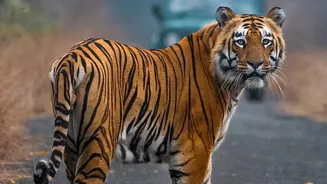
India's incredible biodiversity is attracting a growing number of nature and wildlife enthusiasts. Wildlife tourism is experiencing an annual growth rate of around 15%, driven by a desire to connect with nature. The experience is also evolving; it's no longer just about a quick jeep safari to spot a tiger. Travellers are now seeking more immersive journeys, staying for longer periods, and exploring lesser-known national parks like Satpura alongside popular reserves like Ranthambore. This has led to the rise of high-quality eco-lodges and naturalist-led tours that focus on understanding the entire ecosystem, from tracking bird calls to learning about local flora. This sustainable approach fosters a deeper appreciation for conservation while supporting local communities.
Leisure Travel Gets an Upgrade
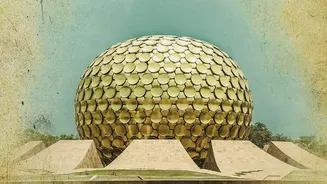
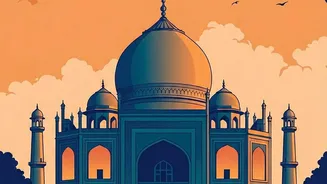
Even traditional leisure travel is being redefined. Tourists are looking beyond just sightseeing and seeking more meaningful engagement. There is a growing demand for experiential stays, such as rural homestays, heritage properties, and boutique hotels that offer a distinct local flavour. This shift is also reflected in accommodation trends, with travellers increasingly willing to pay for premium quality, comfort, and service. This diversification ensures that whether one is seeking spiritual solace, a healthy reset, a wild adventure, or simply a relaxing break, the Indian tourism landscape now truly offers something for everyone.