






Master Your Bedroom Environment
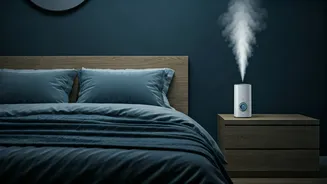
The most effective strategy against humidity is to control the air in your room. The ideal indoor humidity level for sleeping is between 40% and 50%. Anything higher can make the air feel heavy and prevent sweat from evaporating, which is your body’s
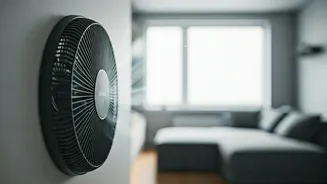
natural cooling process. A dehumidifier is your best tool for this, as it actively removes moisture from the air. Many modern units have a quiet or "sleep mode" to avoid disturbing you. If you use an air conditioner, aim for a moderate setting; studies show a strong, direct draft can disrupt sleep. The goal is a cool, dry environment, with many experts agreeing that a temperature around 18°C is optimal for sleep. To boost air circulation, use ceiling or portable fans. They don't lower the room's temperature, but the airflow helps evaporate sweat from your skin, creating a cooling effect.
Choose Breathable Bedding and Sleepwear
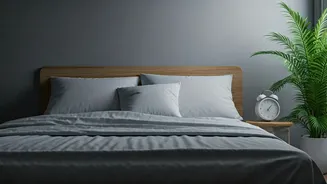
The fabrics you sleep on and in make a significant difference. Synthetic materials like polyester trap heat and moisture, exacerbating discomfort on humid nights. Instead, opt for natural, breathable fabrics that wick moisture away from your body. Cotton, particularly in a percale weave, is a classic choice for its crisp, airy feel. Bamboo and Tencel (lyocell) are also excellent options, known for their silky texture and ability to absorb significant moisture while feeling dry to the touch. Linen is another top performer, valued for its exceptional breathability and moisture-absorbing properties. The same logic applies to your sleepwear; loose-fitting pyjamas made from cotton or linen will keep you far more comfortable than tight or synthetic clothing.
Adapt Your Nightly Routine
Small adjustments to your pre-bedtime habits can help your body prepare for a cooler night's sleep. Taking a cool or lukewarm shower before bed can help lower your core body temperature. A warm shower can also be effective, as the subsequent rapid cooling of your body after you get out signals to your brain that it's time for sleep. Avoid heavy meals, spicy foods, and alcohol close to bedtime. These can all raise your body temperature and interfere with sleep quality. Staying hydrated throughout the day is crucial, but try to taper your water intake as bedtime approaches to avoid waking up. Also, be mindful of heat-generating appliances in your home; run the dishwasher or clothes dryer during cooler evening hours to avoid adding excess heat and moisture to your indoor environment.
Simple Hacks for Extra Cooling
When you need an extra edge against the heat, a few simple tricks can provide immediate relief. Placing a bowl of ice water in front of a fan can create a makeshift cool mist that circulates through the room. Some people find relief by placing their pillowcases or even a sock filled with rice in the freezer for a short time before bed to create a temporary cold pack. During the day, keep blinds and curtains closed, especially on south and west-facing windows, to block solar heat from turning your bedroom into an oven. At night, if it's cooler outside, opening windows on opposite sides of the house can create a cross-breeze, flushing out the hot, stagnant air that has built up during the day.