



Decoding the Drier Forecast
The India Meteorological Department (IMD) has forecast that rainfall over the country as a whole is likely to be below normal for September 2026. This follows a pattern of erratic rainfall, with some experts noting that the monsoon might be heading for an
early wind-down. For travelers, this isn't necessarily bad news, but it does signal a shift. September, typically a month of retreating rains, might offer more sunny days than usual. However, the charm of the late monsoon—brimming waterfalls, verdant hills, and misty mornings—could be less pronounced in many popular destinations. The phenomenon is linked to moderate El Niño conditions, which tend to weaken the monsoon winds.
The Western Ghats: A Double-Edged Sword
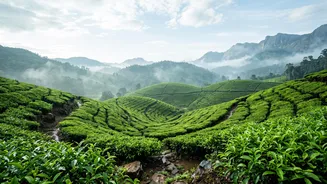
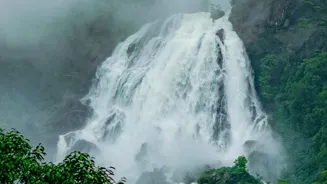
Destinations like Goa, Kerala, Coorg, and Mahabaleshwar are monsoon favourites, known for their rain-drenched beauty. A drier September presents a mixed bag. On the one hand, reduced rainfall means a lower risk of landslides, better road conditions, and more opportunities for trekking and outdoor activities that are often curtailed by heavy downpours. On the other, the iconic, roaring waterfalls of Lonavala or the overflowing dams that draw crowds might be less spectacular. In states like Kerala, where backwater tourism recently revived after a sluggish monsoon, a continued dry spell could impact the lushness that defines the experience. Travelers might find more accessible, sunny days on the beaches of Goa, which traditionally sees tourism pick up post-monsoon. This year, the season for sunbathing might just start a little earlier.
Himalayan Foothills: Safer but Subdued?
For hill stations in Himachal Pradesh and Uttarakhand, a weaker monsoon can be a blessing for safety. The risk of landslides and flash floods, which have caused disruption in previous years, is significantly lower with less rain. This could make destinations like Shimla and surrounding areas more appealing for a quiet getaway. However, the visual appeal might change. The vibrant, post-rain greenery could be subdued, and the water levels in rivers and streams might be lower than expected. While still beautiful, the experience will be different from the typical misty, cloud-covered Himalayan monsoon. For regions like Ladakh and Spiti Valley, which are in a rain shadow area and popular during the monsoon for their dry climate, travel plans remain largely unaffected and are a reliable option.
New Opportunities in the Plains and Deserts
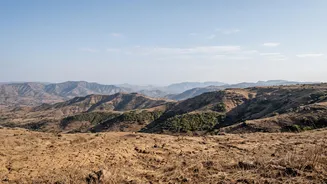
A less intense monsoon could make September an excellent time to explore regions that are often too hot or wet. Rajasthan, which typically sees less rain than other parts of India, may become even more accessible. Cities like Udaipur and Jodhpur could be enjoyed with pleasant temperatures and minimal disruption, offering a chance to see heritage sites without the peak season crowds. Similarly, a drier end to the season can be beneficial for wildlife tourism in Central India. National parks that usually close or have limited access during heavy rains might open sooner or offer better safari conditions as animals congregate around fewer water sources. Travelers should, however, confirm the opening dates for parks like Ranthambore, which traditionally reopen in October.
How to Adapt Your Travel Plans
Flexibility is key for anyone planning a trip in September. Instead of booking a trip based on the classic monsoon experience, focus on the opportunities a drier season provides. Keep an eye on local weather forecasts, as rainfall patterns can be highly regional. A below-normal forecast for the country doesn't mean zero rain everywhere. Some areas in the east and northeast are still expected to receive significant rainfall. It’s wise to book accommodations with flexible cancellation policies. Consider destinations known for being drier, like Rajasthan or rain-shadow regions like Spiti. For those heading to traditional monsoon spots, be prepared for a different kind of beauty—one with more sunshine, clearer views, but perhaps less dramatic, rain-fed spectacle.