

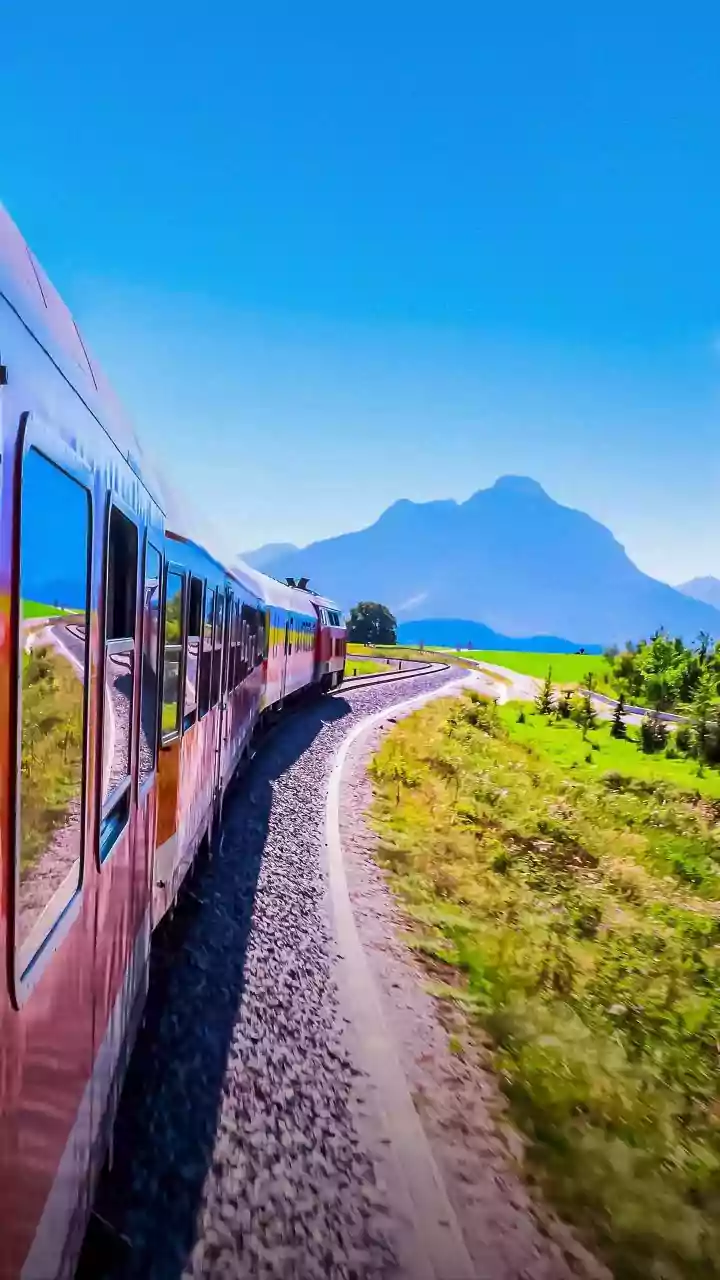

The Ideal Route and Timing
The classic circuit for this trip is Jaipur to Jodhpur, and then Jodhpur to Jaisalmer. This route covers approximately 630 kilometres of well-maintained highways. Early winter, from November to February, is the best time for this journey. The weather
is ideal, with average daytime temperatures ranging from 26-30°C and cooler nights. This season allows for comfortable sightseeing without the extreme heat of the summer months. A comfortable pace for this trip is 7 to 8 days, giving you at least two full days in each city to soak in the sights without feeling rushed.
Days 1-2: Jaipur, The Pink City
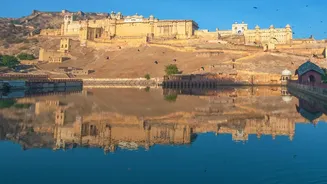
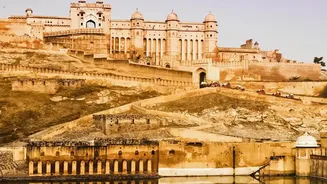
Begin your adventure in Jaipur. The drive from Delhi is straightforward, and the city offers a vibrant mix of history and culture. Dedicate your first two days to exploring its main attractions. Start with the iconic Hawa Mahal and the sprawling City Palace complex. In the afternoon, make your way to the magnificent Amber Fort, a stunning example of Rajput architecture. A composite ticket can be a cost-effective way to see several key sites. On your second day, you can visit the Jantar Mantar astronomical observatory, a UNESCO World Heritage Site, and the Albert Hall Museum before exploring the bustling lanes of Bapu Bazaar for souvenirs.
Day 3: The Drive to Jodhpur
The road trip truly begins as you head towards Jodhpur. The distance from Jaipur to Jodhpur is around 340-350 kilometres, which takes approximately 6 to 7 hours of driving. The highways are generally in good condition, making for a smooth journey. Plan to start early to avoid city traffic. Along the way, you can make a stop at Pushkar or Ajmer for a short break. Upon reaching Jodhpur, check into your hotel. Many travellers choose heritage hotels, or havelis, for an authentic experience. The evening is perfect for a relaxed dinner with a view of the illuminated Mehrangarh Fort.
Days 4-5: Jodhpur, The Blue City
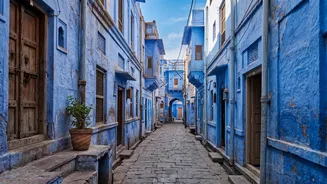
Jodhpur’s main attraction is the formidable Mehrangarh Fort, which towers over the city. Dedicate a morning to exploring its palaces, courtyards, and museum. From the fort, you can see the iconic blue houses that give the city its nickname. Afterward, visit Jaswant Thada, a serene marble cenotaph nearby. Spend the afternoon wandering through the narrow lanes of the old city, discovering the Toorji Ka Jhalra stepwell, and browsing the Clock Tower market for spices and handicrafts. On day five, you could take a Bishnoi village safari to experience local life before preparing for the next leg of your journey.
Day 6: Onward to Jaisalmer
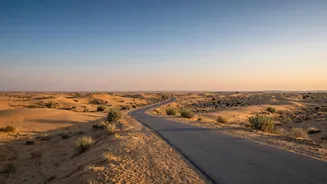
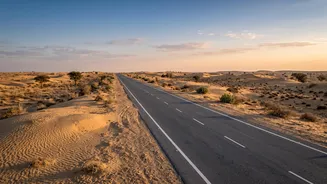
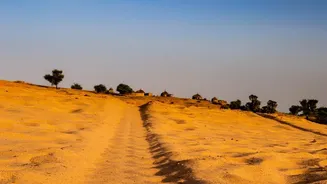
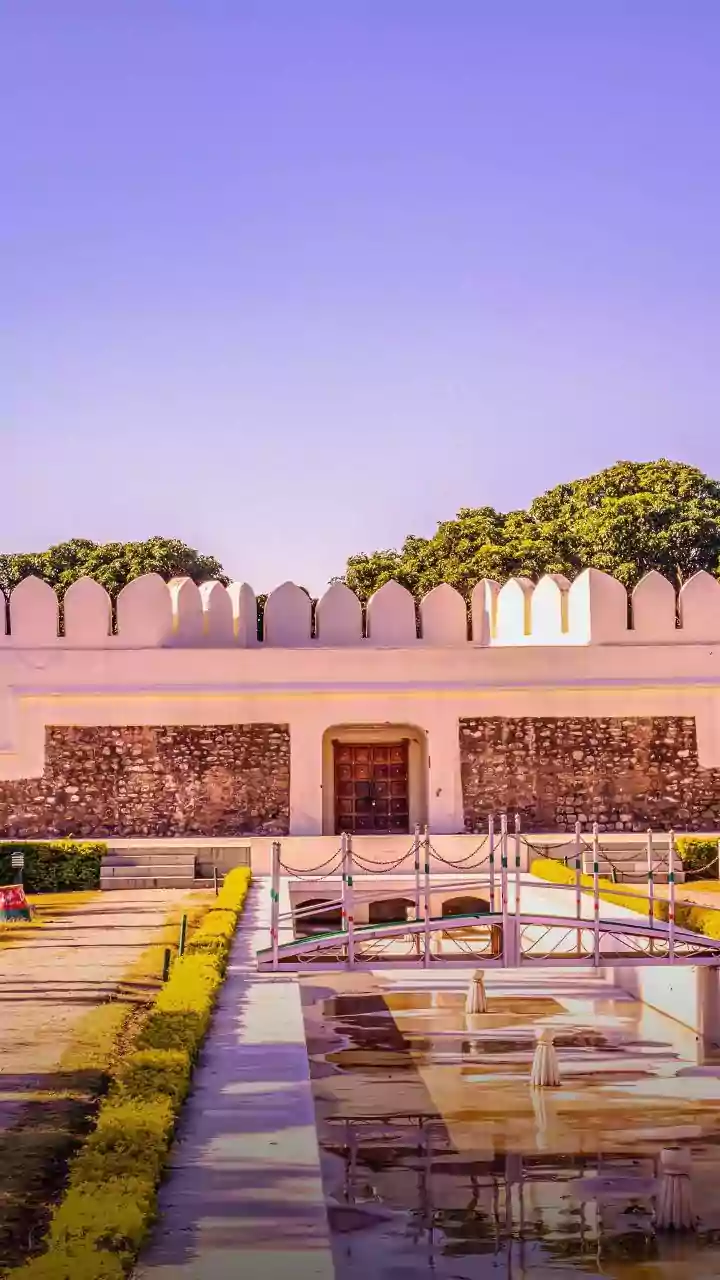
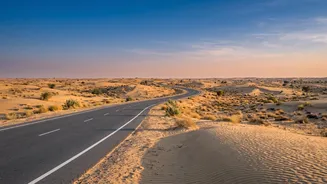
The drive from Jodhpur to Jaisalmer takes you deeper into the Thar Desert. The distance is about 285 kilometres, and the drive usually takes 4 to 5 hours on well-maintained roads. The landscape transforms, becoming more arid and sparse. A popular stop en route is the fortress at Pokhran. Aim to reach Jaisalmer by early afternoon. Many visitors head directly to desert camps located near the Sam Sand Dunes, about 40 kilometres outside the city, to check in for an overnight experience.
Day 7: Jaisalmer, The Golden City
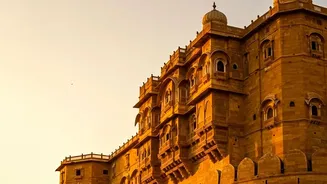
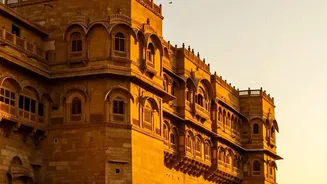
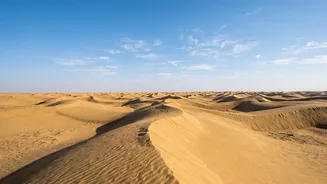
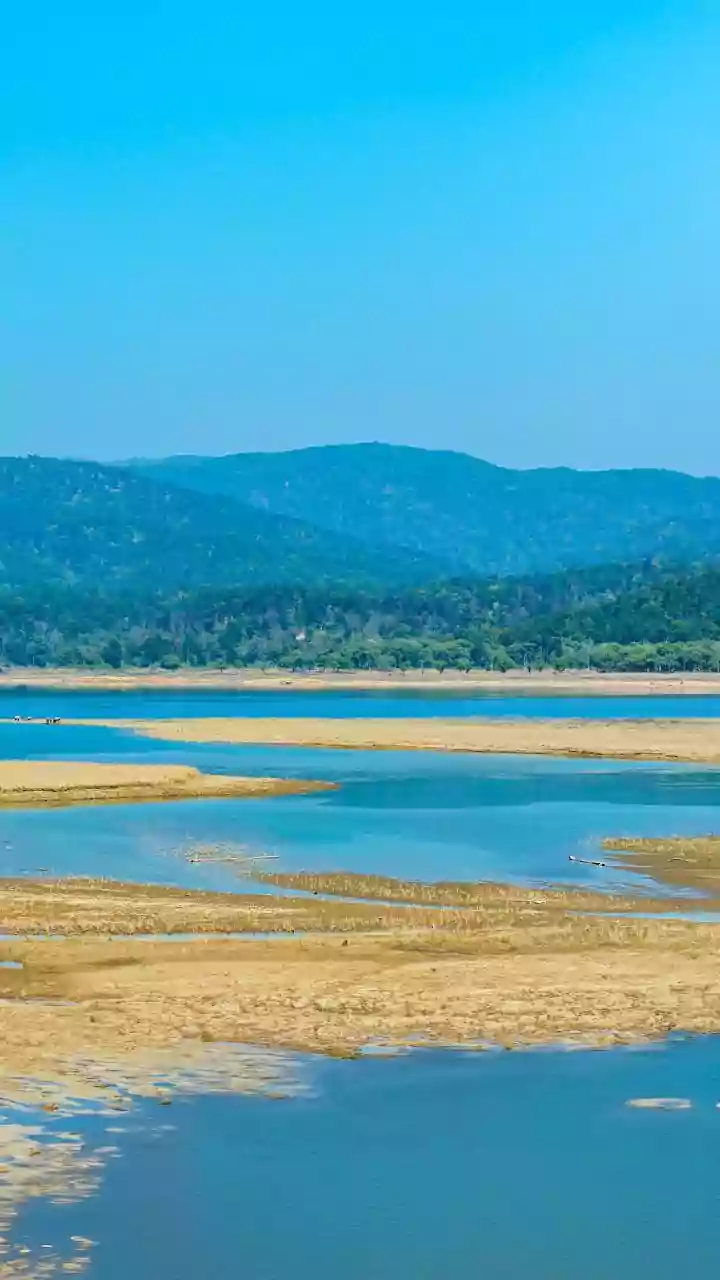
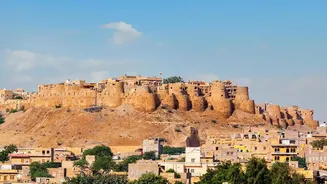
A trip to Jaisalmer is incomplete without a desert safari. Most overnight camp packages include a camel or jeep safari to the dunes for sunset, followed by a cultural program with folk music and a traditional Rajasthani dinner. Waking up to a desert sunrise is a magical experience. After breakfast at the camp, head back to Jaisalmer city to explore the living Jaisalmer Fort, a UNESCO World Heritage site where shops, hotels, and homes are still active. Also, visit the intricately carved Patwon Ki Haveli and the serene Gadisar Lake before you conclude your epic journey.
Essential Road Trip Pointers
For a smooth trip, consider a few practical tips. If renting a car, choose a well-maintained vehicle with air conditioning. While highways are good, some rural roads can be narrow, and it's generally advisable to avoid driving at night. Book your accommodations in advance, especially since early winter is peak tourist season. Pack layers of clothing—light jackets or shawls are perfect for the chilly evenings and early mornings. Finally, stay hydrated, carry a first-aid kit, and keep your vehicle's documents handy.