
The New Weekday Ritual
The traditional 9-to-5 commute has been reshaped by flexible work models, and with it, the definition of an office. For a growing number of professionals in Kolkata, the ideal workspace is no longer a sterile cubicle but a place with soul. This has led
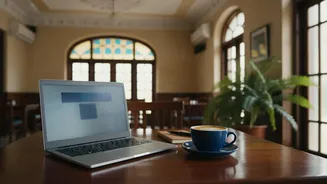
them to the city's treasure trove of heritage cafes, where the aroma of fresh coffee now mingles with the quiet tapping of keyboards. The pandemic accelerated the work-from-home routine, but as isolation fatigue set in, cafes became the go-to alternative. They offer a change of scenery, a sense of community, and a productive buzz that the home office often lacks. This shift is not just about convenience; it represents a fundamental change in urban work culture, where the boundaries between office, home, and social spaces are becoming wonderfully blurred. Professionals are swapping formal office chairs for comfortable cafe seating, turning leisurely 'adda' spots into hubs of weekday productivity.
Where History Meets High-Speed Internet
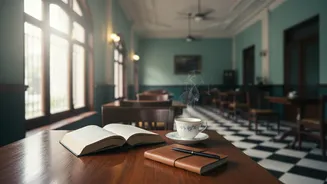
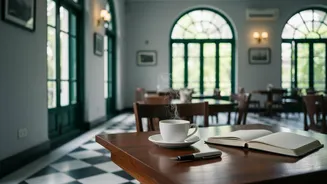
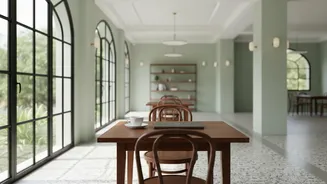
What makes this trend distinctly Kolkatan is the setting. Entrepreneurs are increasingly saving historic buildings from demolition by transforming them into thriving cafes. Consider The Red Bari, a stunning 90-year-old mansion near Kalighat that now houses a cafe and co-working spaces, or Sienna Store & Café, which operates out of a meticulously preserved 1933 residence in Hindustan Park. These establishments are not merely paying lip service to heritage; they are actively preserving it. They retain architectural features like high ceilings, cast-iron grilles, louvered windows, and traditional red oxide floors, offering patrons an experience steeped in history. Yet, these cafes are thoroughly modern, equipped with the essentials for today's workforce: reliable Wi-Fi, ample power outlets, and menus that cater to long stays. Even legendary establishments like Flurys, a city icon since 1927, now count remote workers among their regular clientele.
The Allure of Atmosphere
In a world of minimalist co-working chains, the appeal of Kolkata's heritage cafes lies in their unique character. Professionals are choosing these spaces not just for the coffee but for the ambience—something that cannot be replicated. The imperfect charm of a colonial-era bungalow or a restored art deco building provides a more inspiring backdrop for creativity than a generic office. This shift is driven by a younger, well-travelled generation that seeks experiences and stories, not just services. They value the sense of being connected to the city's past while working on their future. These cafes are becoming what some call 'third spaces'—environments that are neither home nor office, but which foster community, creativity, and a sense of belonging. The culture of 'adda', the city's famed art of leisurely and intellectual conversation, finds a new, productive form in this modern context.
A Mutually Beneficial Arrangement
This trend is a win-win. For remote and hybrid workers, these cafes provide a much-needed professional and social outlet. For the cafe owners, this new demographic provides a steady stream of weekday business that was previously concentrated on evenings and weekends. Many cafes have adapted their models to welcome this clientele, offering special work packages, quiet zones, and menus designed for all-day grazing. More broadly, this adaptive reuse of heritage properties offers a sustainable model for urban conservation. The revenue generated from the cafes helps fund the maintenance and restoration of these architectural gems, ensuring they remain part of the city's living fabric rather than crumbling into obscurity. By turning these old homes and offices into bustling commercial hubs, a new generation of entrepreneurs is proving that preserving heritage can also be good business.