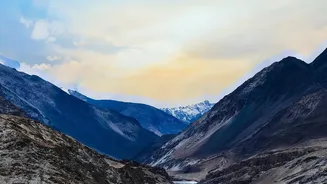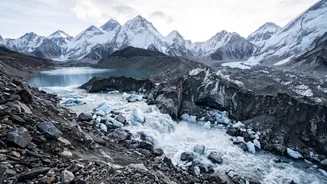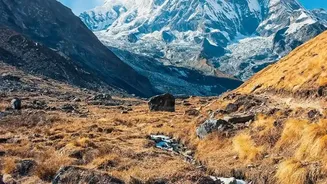




The Himalayas call to adventurers with promises of breathtaking beauty, but a recent case of six missing trekkers in Nepal is a sobering reminder that these mountains demand respect, preparation, and strict adherence to the rules.
A Cautionary Tale in the Dolpo Region
In late October 2026,
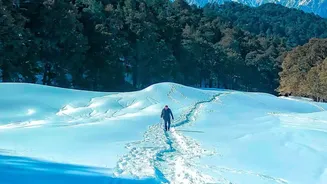
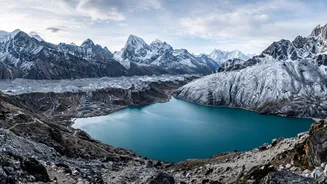
a group of six Indian tourists went missing while trekking near Shey-Phoksundo Lake in the remote Dolpo region. They reportedly proceeded into the high passes despite warnings from locals about deteriorating weather conditions linked to a cyclone. Heavy snowfall is believed to have trapped the group, and a lack of mobile connectivity in the area has severely hampered search and rescue efforts, which have included requests for helicopter support. This incident serves as a stark illustration of what can go wrong when weather warnings are ignored and just how quickly a dream trek can turn into a desperate situation. While the specifics of their permit status are not detailed in reports, their plight highlights a crucial aspect of trekking safety: the system designed to prevent such outcomes.
Decoding Nepal's Permit System
For trekkers, paperwork is as essential as a good pair of boots. Nepal's permit system is not about bureaucracy; it's about safety and conservation. The primary permit is the Trekkers’ Information Management System (TIMS) card, which registers your identity and itinerary. This allows authorities to track who is on which trail, information that is invaluable during an emergency like an earthquake, flood, or blizzard. Most treks also require a National Park or Conservation Area Permit, with fees funding trail maintenance and conservation efforts. For instance, the Everest region requires a Khumbu Pasang Lhamu Rural Municipality Permit instead of a TIMS card, while the Annapurna region requires an Annapurna Conservation Area Permit (ACAP). These permits are checked at multiple points along the trails.
The Mandatory Guide Rule
The most significant change in recent years, fully enforced in 2026, is the ban on solo trekking for foreigners in most major national parks. The government now mandates that all foreign trekkers must hire a licensed guide through a registered agency for routes in the Everest, Annapurna, and Langtang regions, among others. This policy was a direct response to a rising number of incidents involving independent trekkers getting lost or suffering from severe altitude sickness. A licensed guide is more than just a navigator; they are trained first responders, cultural interpreters, and your primary safety link. They can spot early signs of altitude sickness, make crucial decisions in bad weather, and communicate with local networks in an emergency. Attempting to trek without a guide on these routes is illegal and can lead to fines and removal from the trail.
Beyond Permits: Essential Mountain Safety
While permits and guides form the official safety net, personal responsibility is paramount. Altitude sickness is a major risk, and proper acclimatization—ascending slowly and taking rest days—is non-negotiable. Never ascend with symptoms like a persistent headache, nausea, or dizziness. Always carry comprehensive travel insurance that explicitly covers high-altitude helicopter evacuation. Other key rules include staying on marked trails, giving pack animals the right of way by stepping towards the mountain side of the path, and packing for all conditions, as weather can change in an instant. Finally, always heed local advice. The people who live in the mountains understand the environment better than anyone. As the Dolpo case shows, their warnings are not to be taken lightly.