




What Is AI Matching?
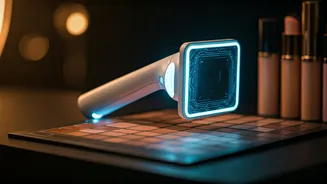
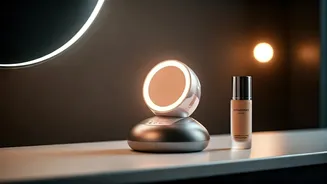
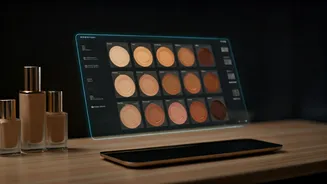
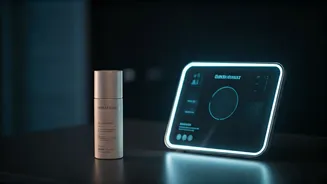
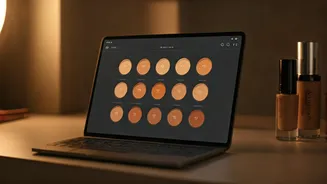
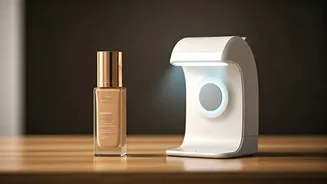
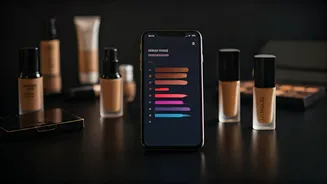
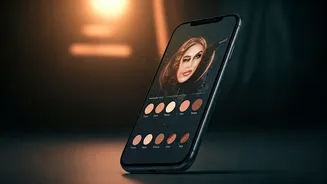
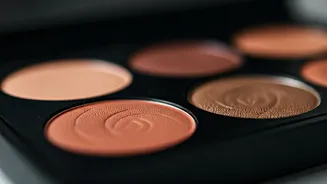
At its core, AI matching uses artificial intelligence to do what human eyes and inconsistent store lighting often can't: perfectly match a product to you. The most common use is for foundation and concealer. Using your phone’s camera, these AI tools scan
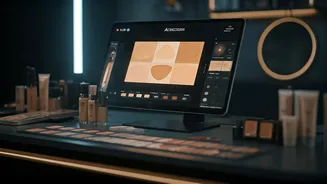
your face, analyze your unique skin tone and undertone, and instantly recommend the perfect shade from a brand's product line. Many of these tools are powered by advanced algorithms trained on vast databases of skin tones, sometimes using tens of thousands of medical-grade images to ensure accuracy across a diverse range of ethnicities. Brands like Sephora, L'Oréal, and Estée Lauder have all heavily invested in this technology, building tools like virtual try-ons and skin advisors directly into their apps and websites.
Beyond the Perfect Shade
While foundation matching is the star of the show, the “big bet” on AI goes much further. Brands are using AI to create a hyper-personalized shopping experience from start to finish. Skincare is a major frontier. Apps from companies like Neutrogena and Kiehl's use a selfie to conduct a detailed skin analysis, identifying concerns like dryness, fine lines, and dark spots. Based on this, they recommend a complete, customized skincare routine. The technology is also moving into other categories. Some brands are developing AI to help customers find their ideal fragrance profile or even create custom lipstick shades at home. K-beauty giant Amorepacific is even using AI to accelerate the development of new ingredients for hair care. This is all part of a larger trend to make beauty less about guessing and more about data-driven precision.
The Business Case for Personalization
So why are brands investing billions in this technology? The answer lies in solving key business challenges. Firstly, it dramatically improves the customer experience. When a customer is confident they are buying the right product, they are more likely to complete the purchase, boosting conversion rates. Secondly, it significantly reduces returns. The operational cost of processing returned, used makeup is a major expense for beauty retailers, and accurate matching helps cut this down. Thirdly, it builds brand loyalty. An AI tool that consistently provides good recommendations creates a trusted relationship with the consumer, keeping them engaged with the brand. Finally, and perhaps most importantly, it's a powerful data-gathering tool. Each scan and recommendation provides brands with invaluable insights into consumer needs, preferences, and emerging trends, which can inform future product development and marketing strategies.
Challenges and the Human Touch
Despite the rapid advancements, the technology isn't perfect. The accuracy of AI matching can still be affected by factors like the quality of a phone's camera and the lighting conditions when a photo is taken. There are also growing concerns about data privacy and what happens to the facial scans users provide. Moreover, some industry watchers worry that if every brand uses similar AI trained on the same data, it could lead to a 'sameness' problem, where product innovation starts to feel less creative and more algorithmic. Many brands are conscious of this, stressing that AI is a tool to enhance, not replace, the expertise of human makeup artists and skincare consultants. Clarins, for example, reported a 96% match rate for its AI tool compared to a professional makeup artist, but emphasizes that its in-store beauty advisors use the analysis to provide a more holistic, personalized routine.